


An exhibition at Baltic of photographs by Tish Murtha seems long overdue but now that it’s here you could hardly argue they’ve stinted in acknowledging her achievements.
A sliver of one of her photos of the Elswick kids she immortalised, grubby fingered and wistful, runs up the outside of the building.
And inside… well, wow!
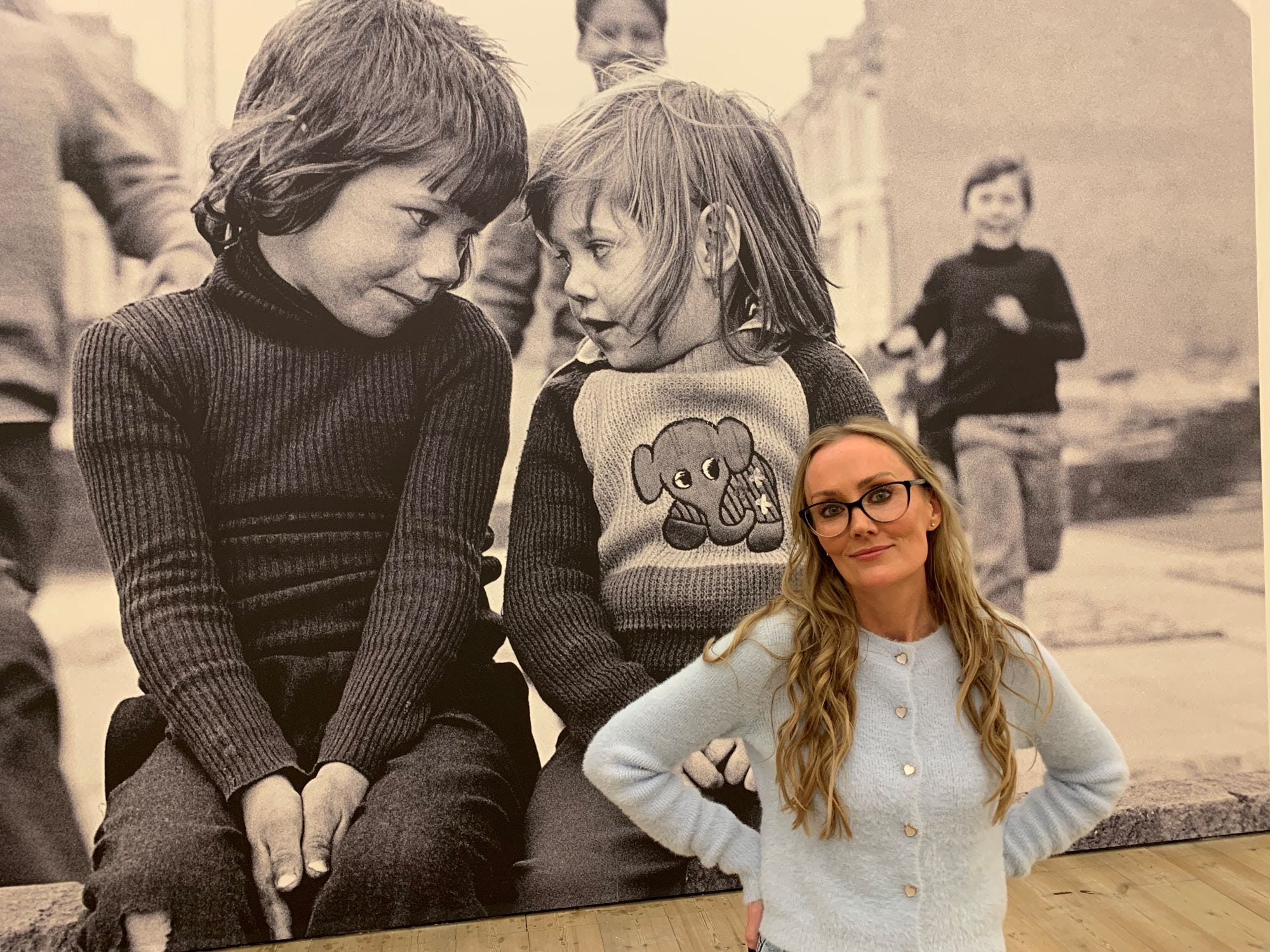
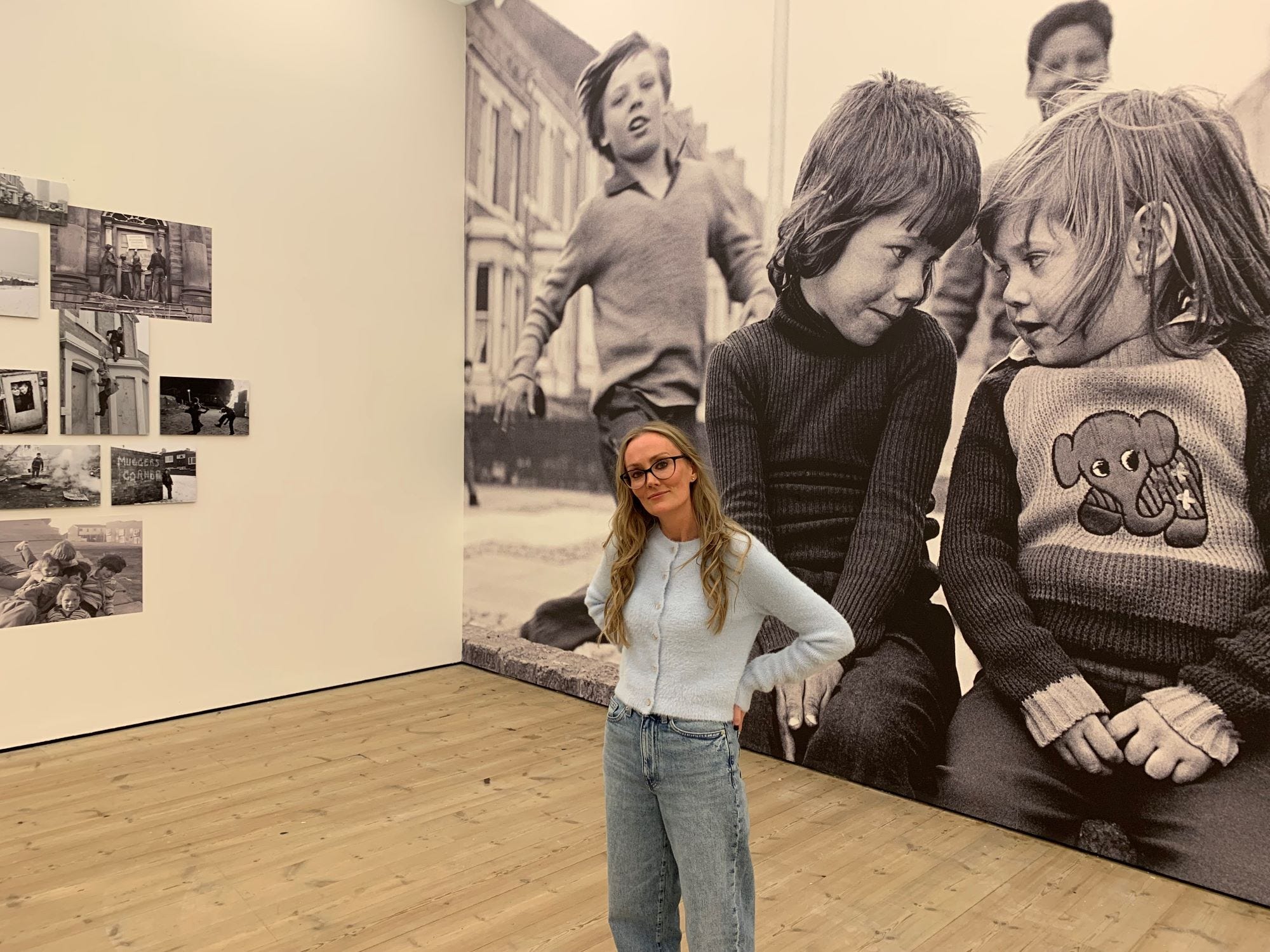
A touching photo you could almost now call famous, capturing two children in a moment of endearment, greets you as you enter the Level 3 gallery, blown up huge.
Tish can bring a lump to your throat even on a modest scale, but this…
Ella Murtha, Tish’s daughter, laughs when asked if she’s ever seen her mother’s work this big. “Absolutely not. It’s incredible.”
As for her mother’s likely response to this magnificent treatment of her work. “I genuinely don’t know.
“I hope she’d be happy because she took these pictures for a reason. In that moment, she thought something was important enough to document.”
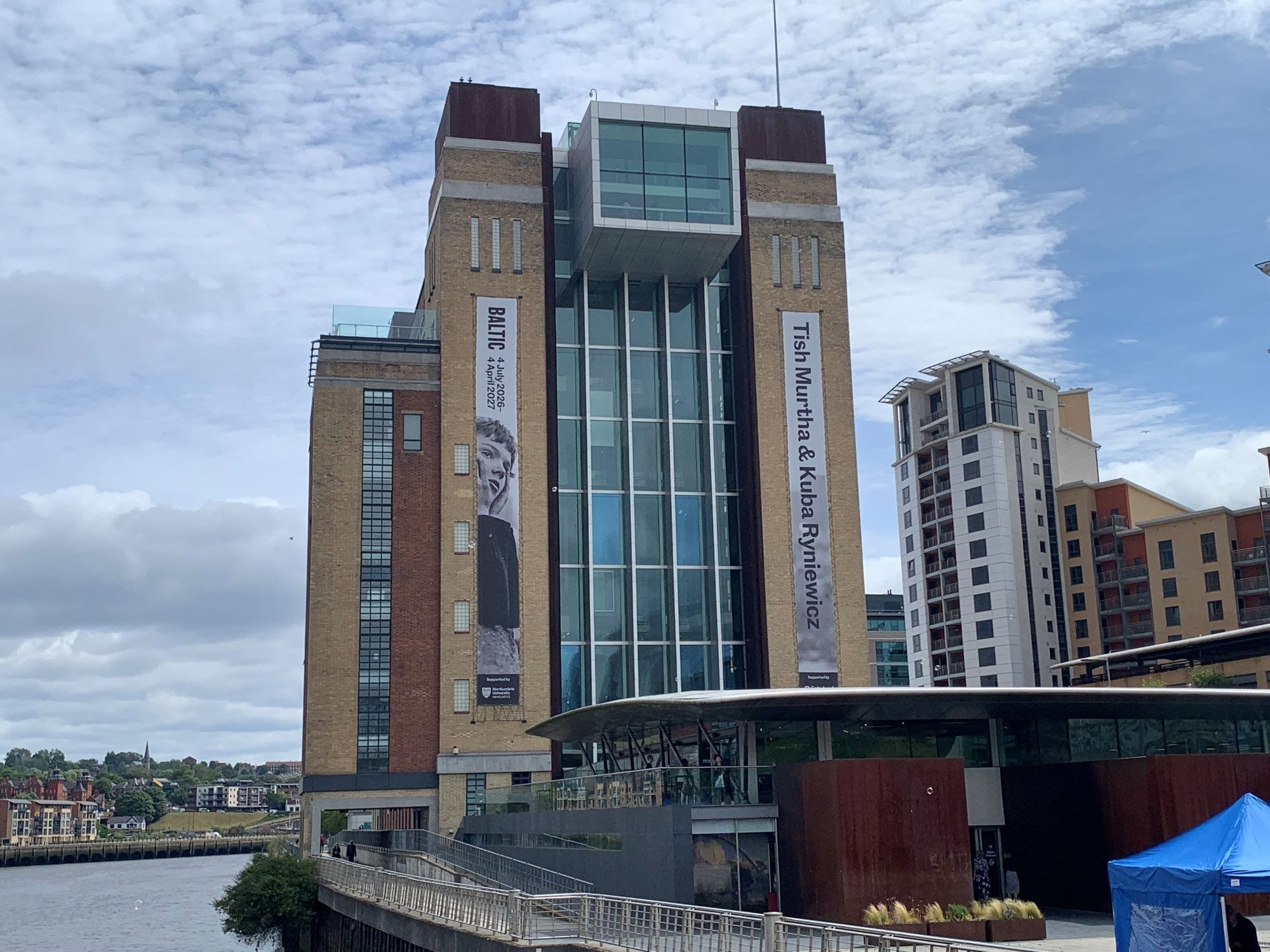
Tish Murtha was a day short of her 57th birthday when she died in 2013, unexpectedly, of a brain aneurysm. Had she lived, she would have recently turned 70.
That her life was relatively short is terribly sad… and sadness seems but a blink away in many of these photos.
Those cute youngsters wrapped up in each other’s presence are also no longer with us.
They were siblings Richard and Louise, two of the kids whose playground was the Elswick of the late 1970s, scheduled for demolition with many crumbling and abandoned houses taking matters into their own hands.
“From everything I’ve heard,” confides Ella, “Richard died - I think in a car crash - and Louise was absolutely devastated. You can see how close they were. I think she fell in with the wrong crowd.”
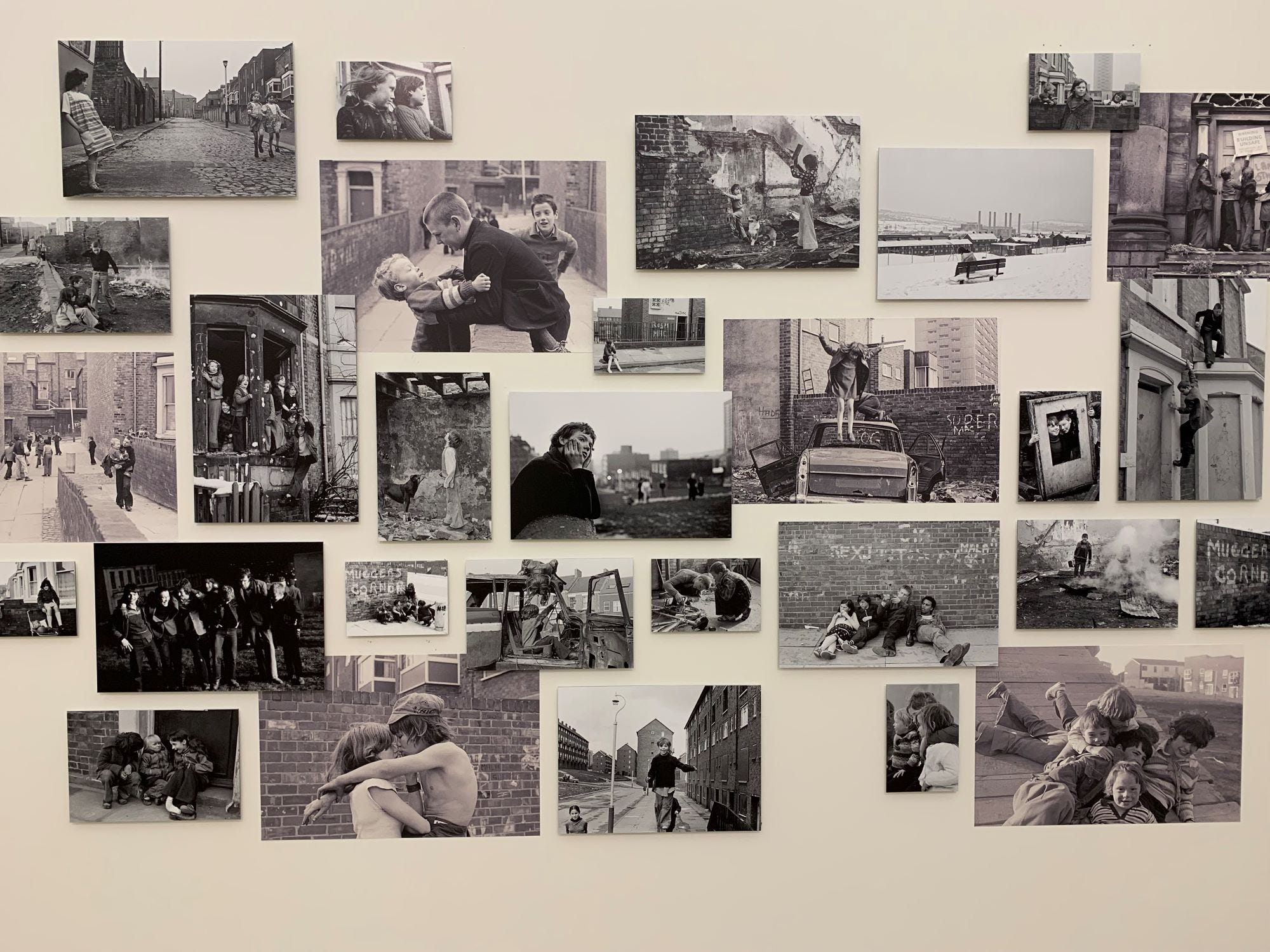
This came to light when Ella’s Uncle Glenn died – he’s in the exhibition, too – and the humanist celebrant, come to meet her Aunty Eileen, saw this photo on the wall
She’d seen it before, she said, in a book shown to her by the bereaved relatives of Louise, at whose funeral she had also officiated.
Ella: “I mean, what are the chances of that? So many of these photos are linked.”
Four distinct bodies of Tish’s work feature in the exhibition, Close to Home, and they’re displayed among and alongside photos by Kuba Ryniewicz, who came to Newcastle from Poland more than 20 years ago to study photography and settled in the city.
Niomi Fairweather and Rose McMurray, from Baltic’s curatorial team, must have broached the idea of a shared exhibition somewhat tentatively.
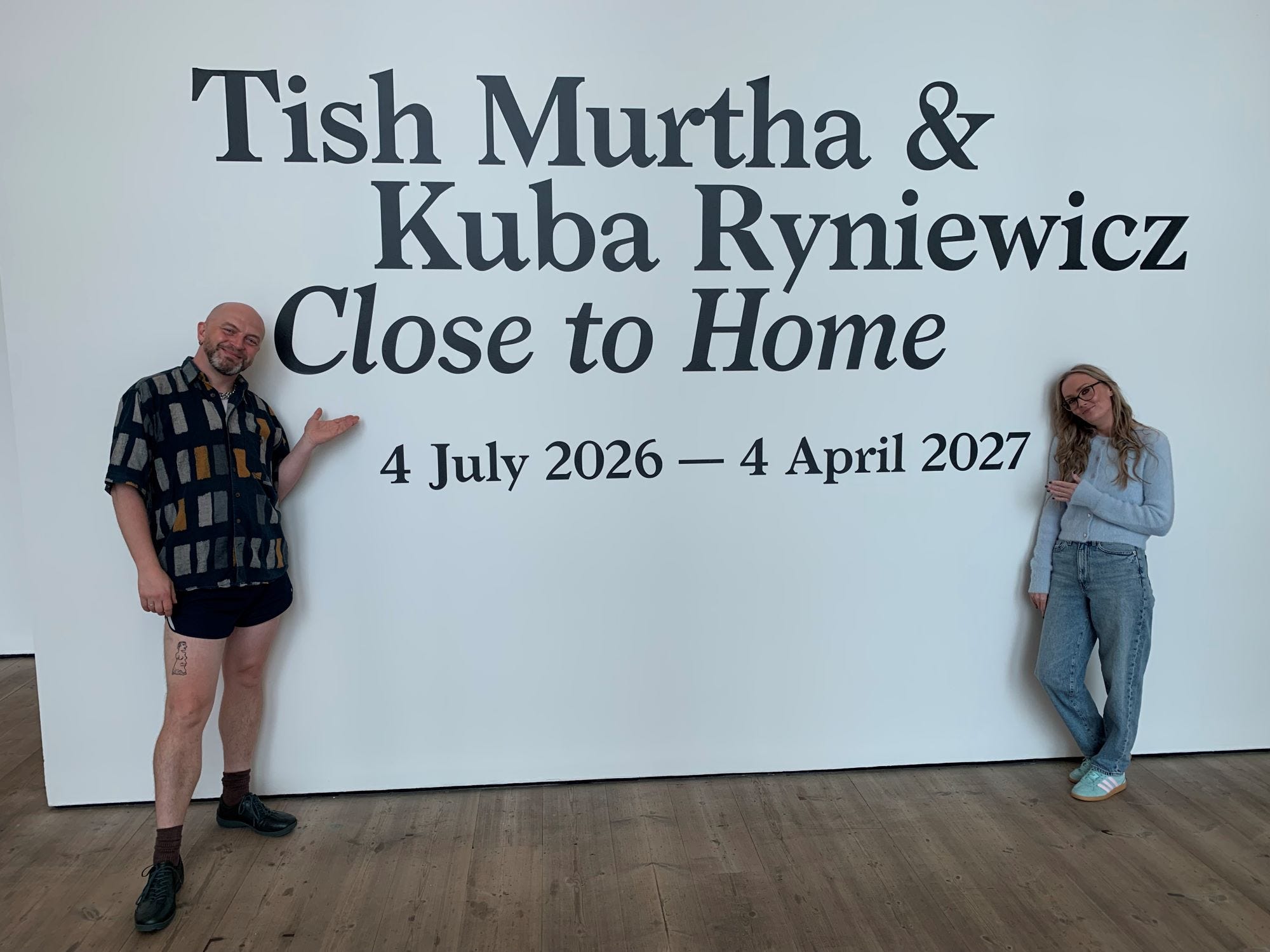
Kuba’s work and background, as “a queer artist working across portraiture, fashion and participatory practice”, are ostensibly very different to Tish’s.
But Ella remembers telling them: “I think that’s a beautiful idea and I really love it.”
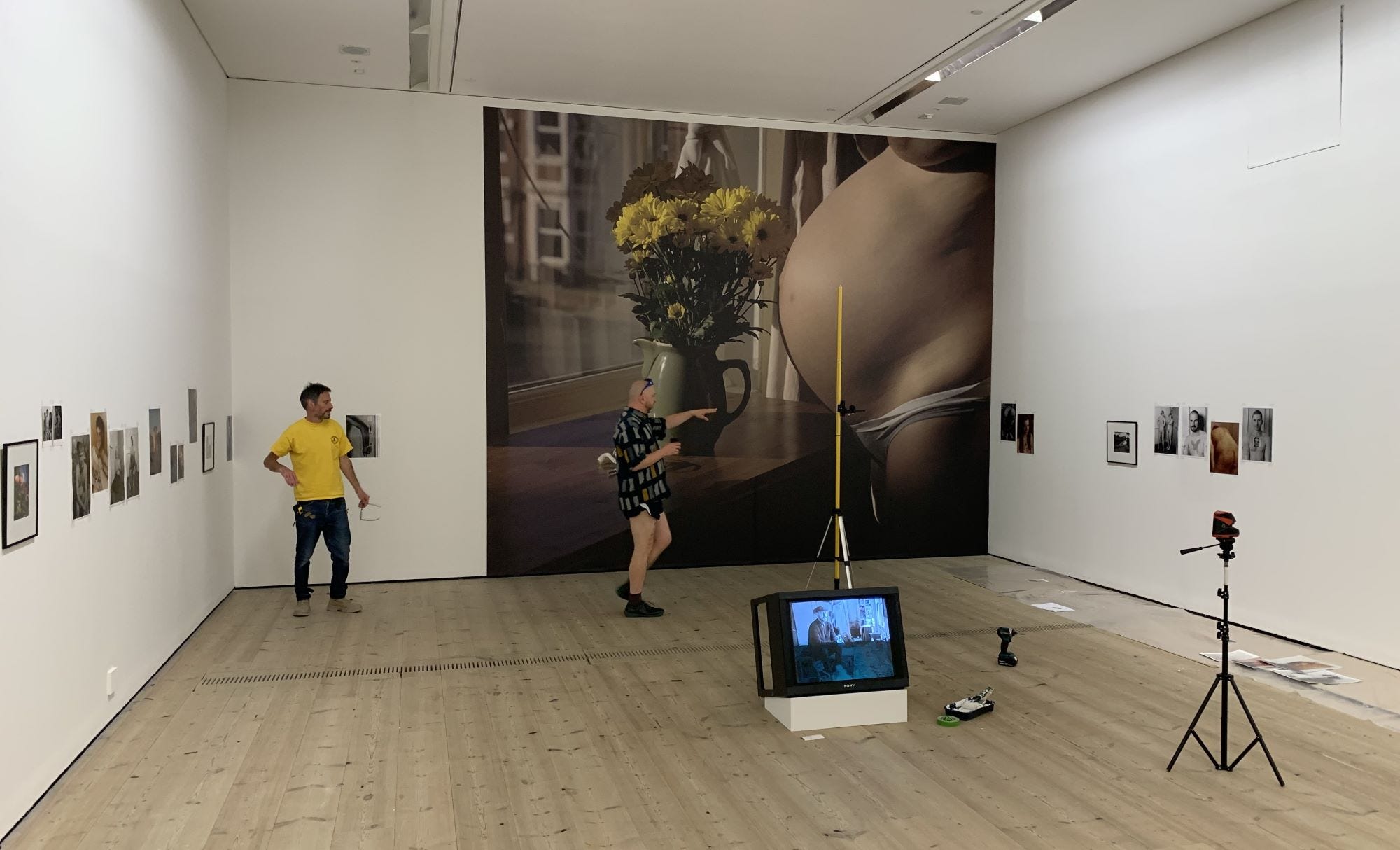
Kuba is represented here by large colour photos juxtaposed with tiny Polaroid snaps.
One of the former shows a guinea pig rescued by his boyfriend’s sister, a veterinary nurse who couldn’t bear to see it put to sleep; another shows an exuberant group posing flamboyantly, and in some cases nakedly, next to a bonfire in homage to the 19th Century philosopher and gay rights activist Edward Carpenter.
“While their practices emerge from different generations and contexts, both photographers work through relationships of trust and mutual exchange,” is the textual explanation.
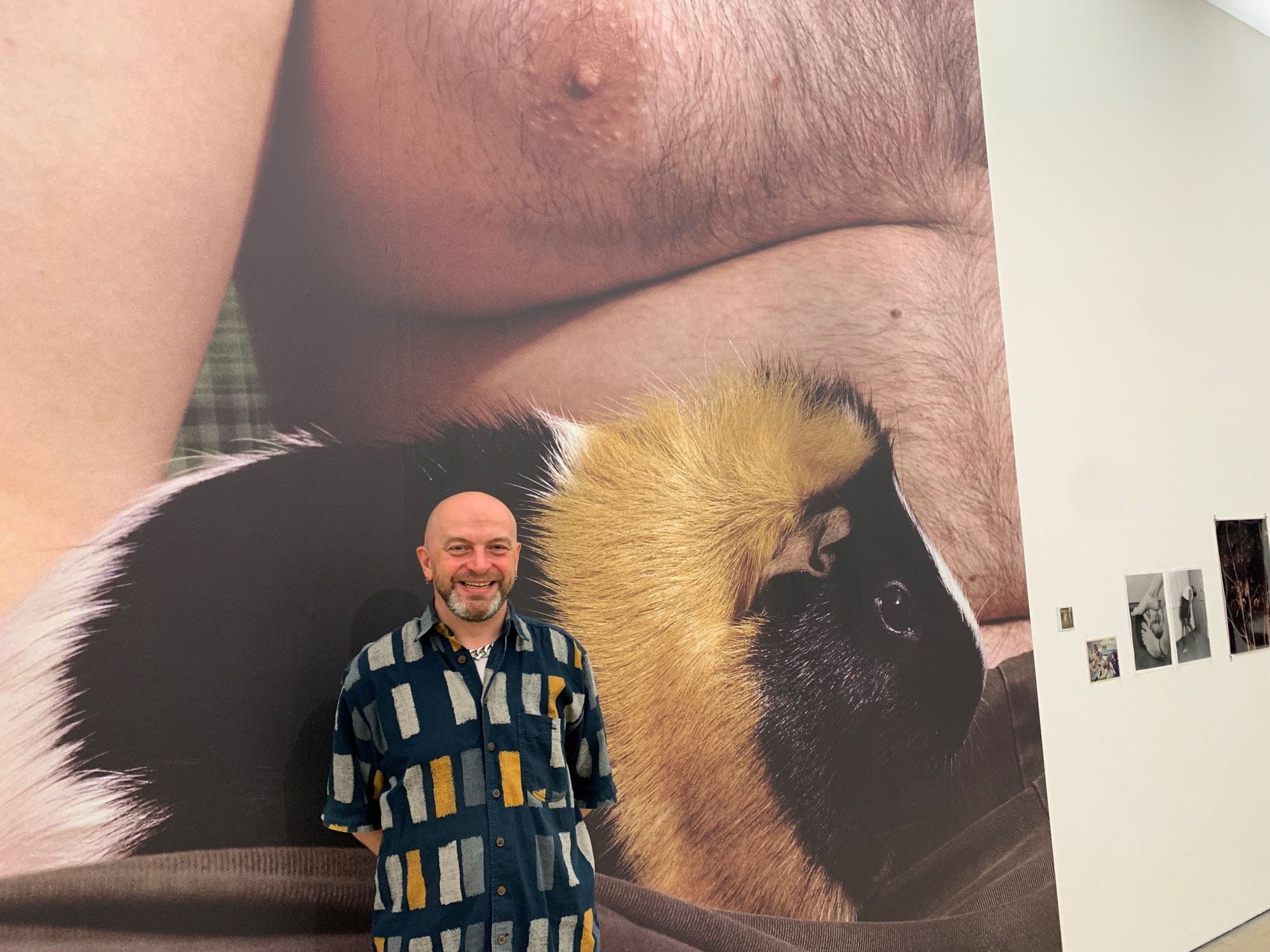
Kuba, coming from what he calls a more conceptual school of photography, declares himself deeply respectful of Tish’s work and points out that even though their “visual vocabulary” might differ, there are subtle connections.
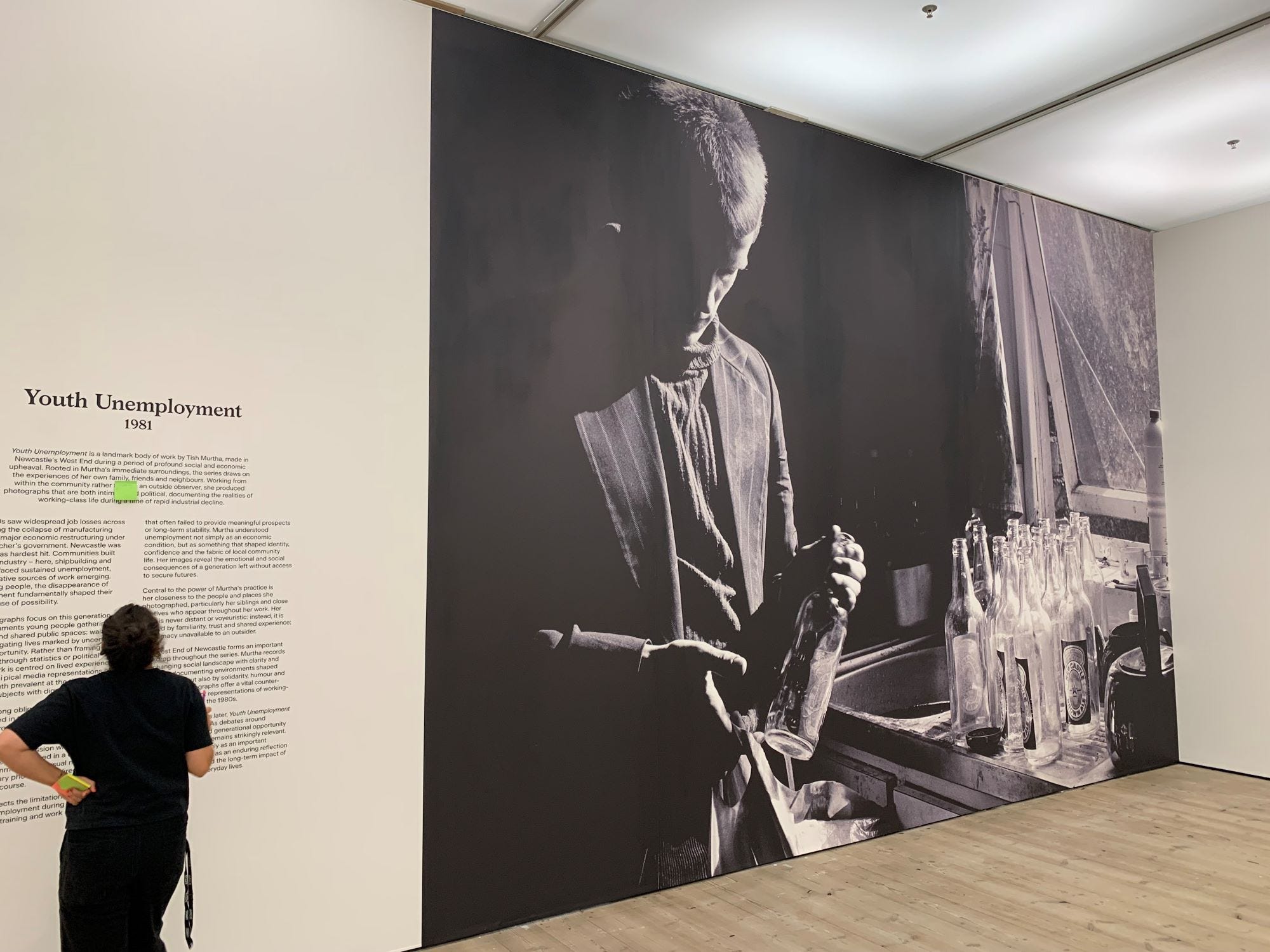
He indicates a photo he took of bottles planted upside down in an allotment that seems to reference one of Ella’s Uncle Carl with the empty beer bottles he plans to exchange for a meagre deposit.
Looking at it, blown up huge and with a look of the 1930s about it, Ella says: “My Aunty Eileen couldn’t look at this picture for years because she finds it so devastating, how much he’s invested in these bottles because he’s got no other money coming in.”
She adds: “That’s one of those photos I feel is very painterly.
“Someone once jokingly called Mam the Geordie Caravaggio because of the way she used light and stuff.
“But look at this photo of Kuba’s. This is of his friend Roxy when she was pregnant, standing in the window, and I can really see the vision Rose and Niomi had when they paired them together.”
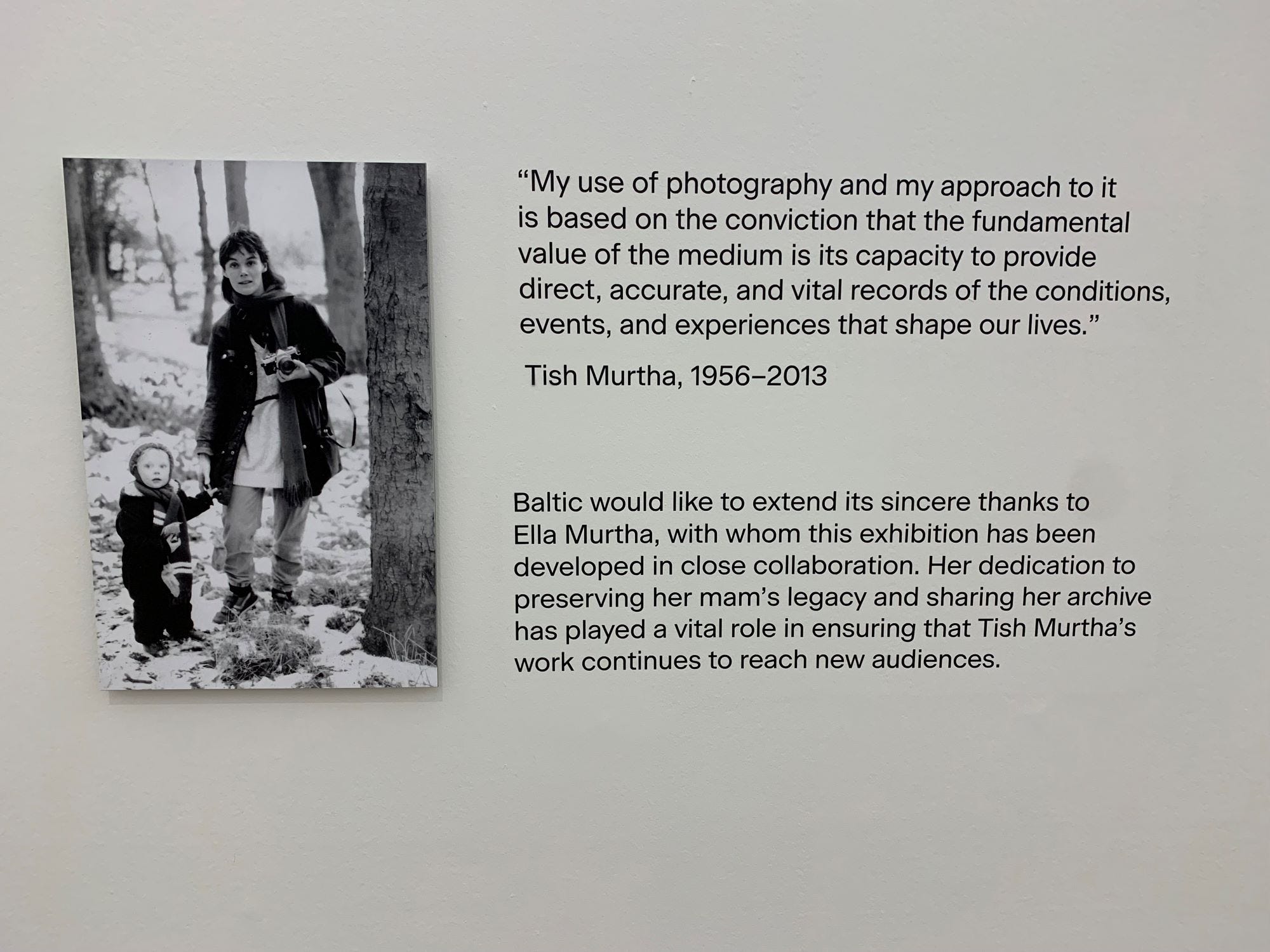
Tish Murtha was born in South Shields, the third of 10 children. Although not well off, the family had “an abundance of creativity, talent and spirit,” according to the biography on the Tish Murtha website.
This is Ella’s work – and in Ella you get a sense of her mother’s drive and determination.
The Tish Murtha archive with its multiple prints and negatives is kept not in a gallery or university but at her home in Stockton.
“I would never let them out of my sight. Me mam would never forgive me if anything happened to them. I guard them with my life. The whole of the spare bedroom is just dedicated to me mam.
“Obviously if I win the lottery I’ll be able to buy a bigger space but for me it’s where it needs to be. I need to keep me mam’s stuff together and I have to make sure it’s handled with dignity and care and respect.”
She shares childhood memories of coming downstairs in the morning to see newly printed images hanging on a washing line and of incense burning and stubby candles in wax-encrusted wine bottles.
“Me mam was 28 when she had me so she had 28 years of being Tish and then it became Tish ’n’ Ella. I feel her life was split in half – before being a mam and then being a mam.”
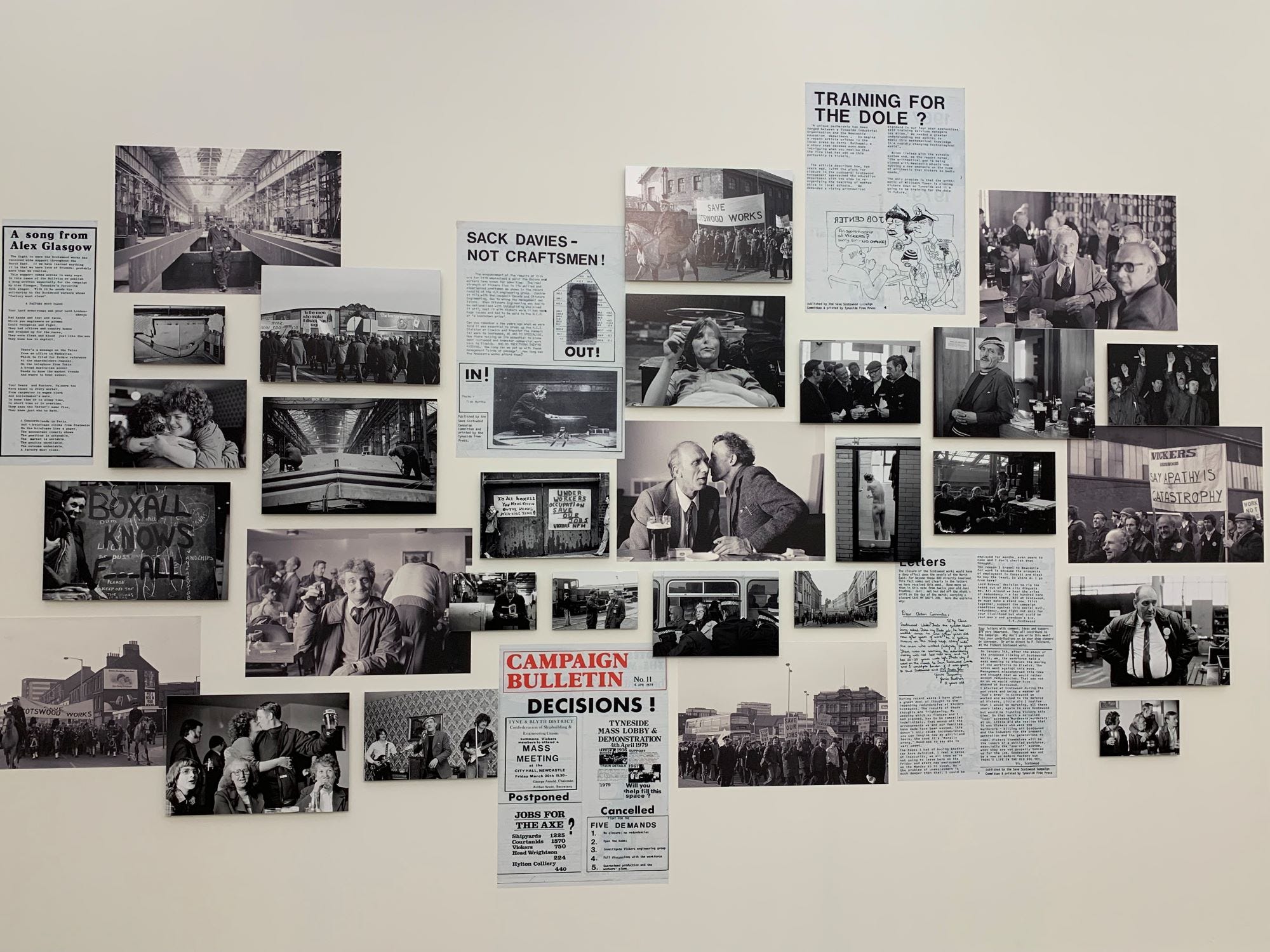
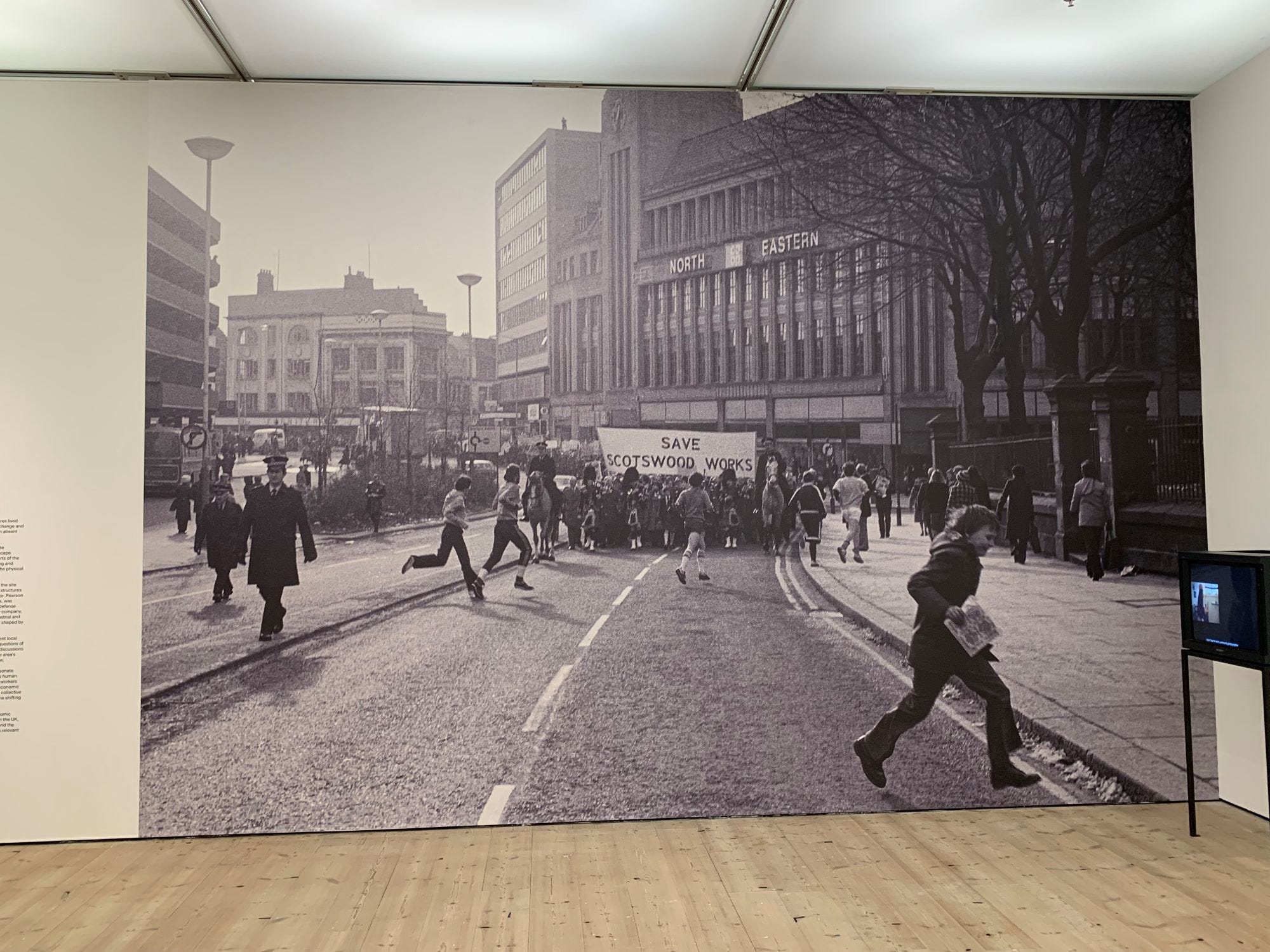
This exhibition – in sections titled Elswick Kids (1978), Save Scotswood Works (1979), Youth Unemployment (1981) and Elswick Revisited (1987-91) – captures a time of turbulence and industrial decline.
It’s hard not to see the blighted landscapes and sense the damaged lives.
But Kuba Ryniewicz urges a different approach, saying: “In Tish’s work all that poverty and sadness is in the background really.
“In the foreground is some kind of joyfulness and honesty and I think it’s important to recognise that. There’s something innocent and pure, the joy in life despite the circumstances.”
It would be surprising if this isn’t to be one of the best attended exhibitions Baltic has ever mounted (judging by the spike in attendance recorded when another documentary photographer, the late Chris Killip, featured in 2023).
Ella says her mother’s photos have already brought joy to relatives of some of those they depict. In many cases, Tish Murtha’s photos are the only visual record they have.
A “really beautiful picture” shows a man with a piece of equipment behind him which Ella says she knows her mam would have thought looked like a halo above his head.
“He had lung cancer and was desperately hanging on to see his first grandchild. Unfortunately he didn’t make it.
“That granddaughter went to the Tyneside Cinema to watch Tish (the documentary about Tish Murtha) because she’s interested in photography.
“She saw this photo and went, ‘Oh my god, that’s my grandad in the film’. She went home and told the family and they got in contact. I found more photos of him so sent some prints. It was like the best Christmas present.”
Tish didn’t take photos towards the end of her life and it’s possible that without Ella she would have drifted into obscurity.
“At the end the camera packed in,” explains Ella. “It was falling to bits.
“I think when she was a young woman me mam was full of fire and passion and did believe she could make a difference and that something better was out there.
“But at the end of her life it was as if the fire had gone out. She was back where she started on a Government scheme and photography was just a footnote on her CV.
“I think for me that’s the devastating thing. That’s why I have to take care of everything, just to make sure her life wasn’t a waste.
“I feel I could die happy now because I’ve done everything I wanted to do.
“It was really important to have a big exhibition in the North East for the people of the North East. That was the dream and it’s never been possible until Niomi and Rose came along
“It’s been such a fun, happy experience and at least something good has come out of it for me mam. She’ll never be forgotten and these pictures will never be forgotten.”
Tish Murtha & Kuba Ryniewicz: Close to Home is on until April 4, 2027 – and new books featuring the work of both photographers are on sale in the shop.
Also opening this weekend is a fabulous exhibition (of which more in a separate article) on Level 4 by New York-based Chitra Ganesh, Journey to the Great Below (until January 17).
Find details of all on the Baltic website.
This should have been a Tish only exhibition. The contrasting images, visual language and playful messages from the other mediocre photographer were too jarring. Such a shame for the Side and Baltic to miss showing one of our greatest ever artists at her best.