

When one of Britain’s greatest artists visited Newcastle, he produced a view looking upriver which picked out prominent features on the skyline as it was in 1823.
JMW Turner’s work, Newcastle-on-Tyne looking out from the Ballast Hills on the north side of the river, included the Newcastle Castle Keep, All Saints Church, the St Nicholas’ Cathedral lantern tower, and St Mary’s Church in Gateshead.
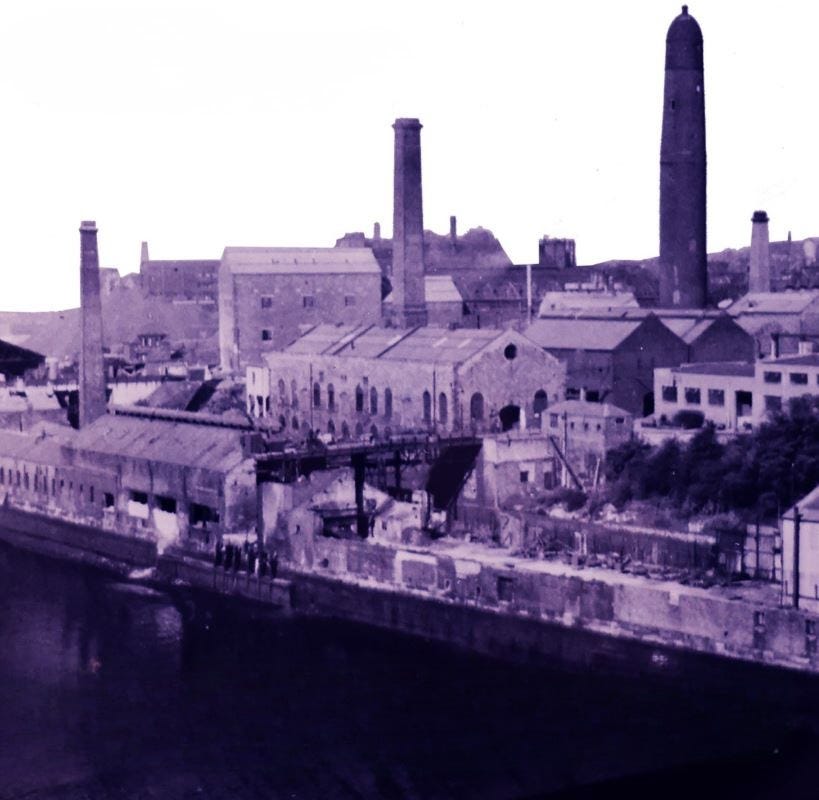
He also included the 174ft-high Shot Tower, built in 1797 at Elswick Lead Works and demolished in 1969.
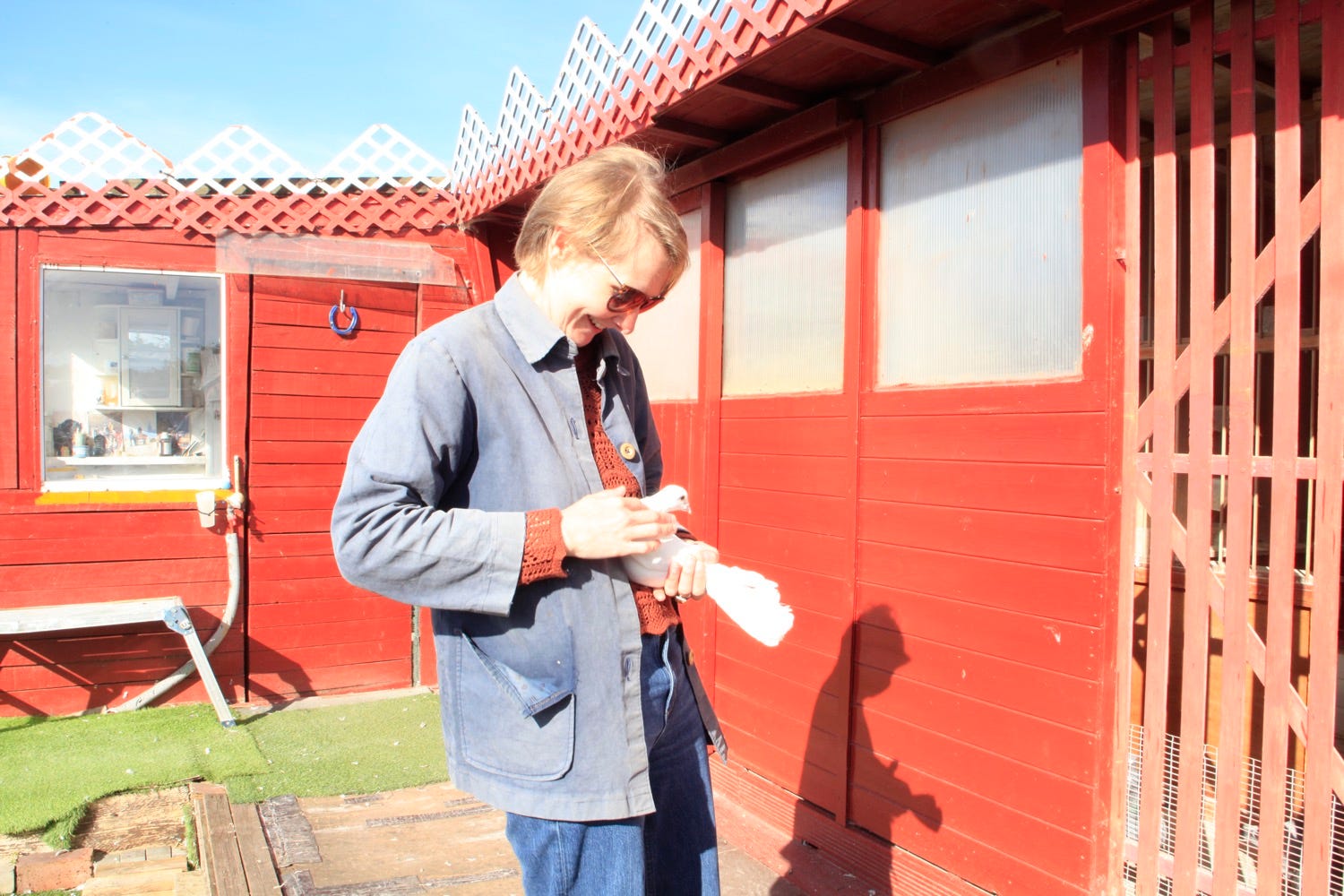
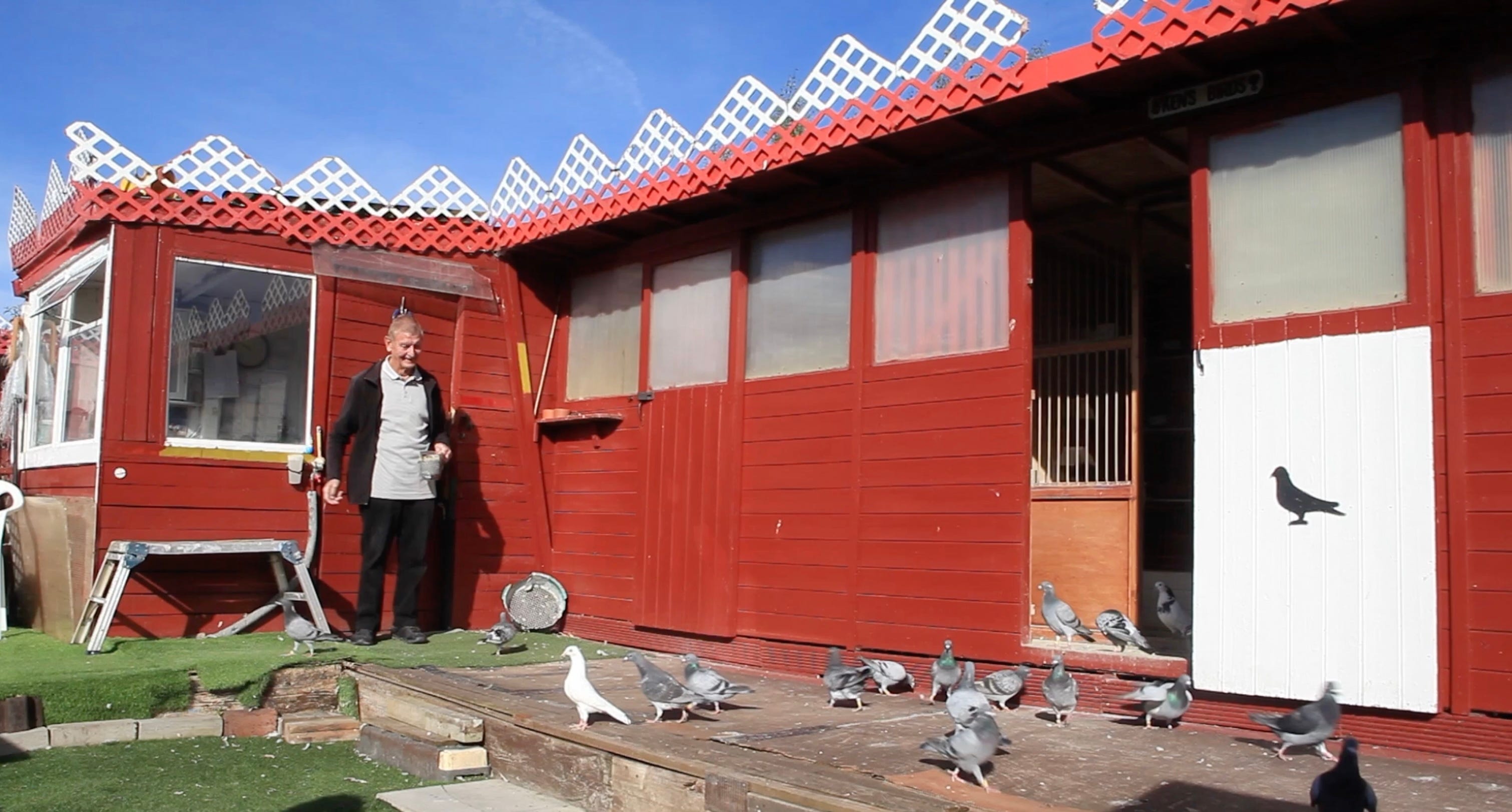
Nature is now reclaiming the lead works site, which is earmarked for housing development. Once a significant employer, the only occupants today are pigeon fanciers and their crees on the fringe of the site overlooking Skinnerburn Road on the riverside.
Also with a stake in the site is artist and Newcastle University researcher Julia Heslop, who is running a long-term project tracking the landscape changes at the brownfield location, working with a botanist and ornithologist.
Julia, from Cullercoats, is also monitoring a greenfield site which is likewise the subject of a major housing proposal, and the impact of such large-scale landscape change.
The Murton Gap scheme in North Tyneside envisages more than 2,000 homes on land extending from Earsdon, Rake Lane, Shiremoor and Monkseaton.
The Elswick site is the subject of a new exhibition, titled Galena, at Newcastle Arts Centre until June 27 by Julia, Taryn Edmonds and Martin Heslop.
The exhibition, ranging across film, sound, painting and print, examines the history and cultures of the area, from the origins of galena (lead ore) in the mines of the North Pennines to the processing and production plants on the banks of the Tyne.
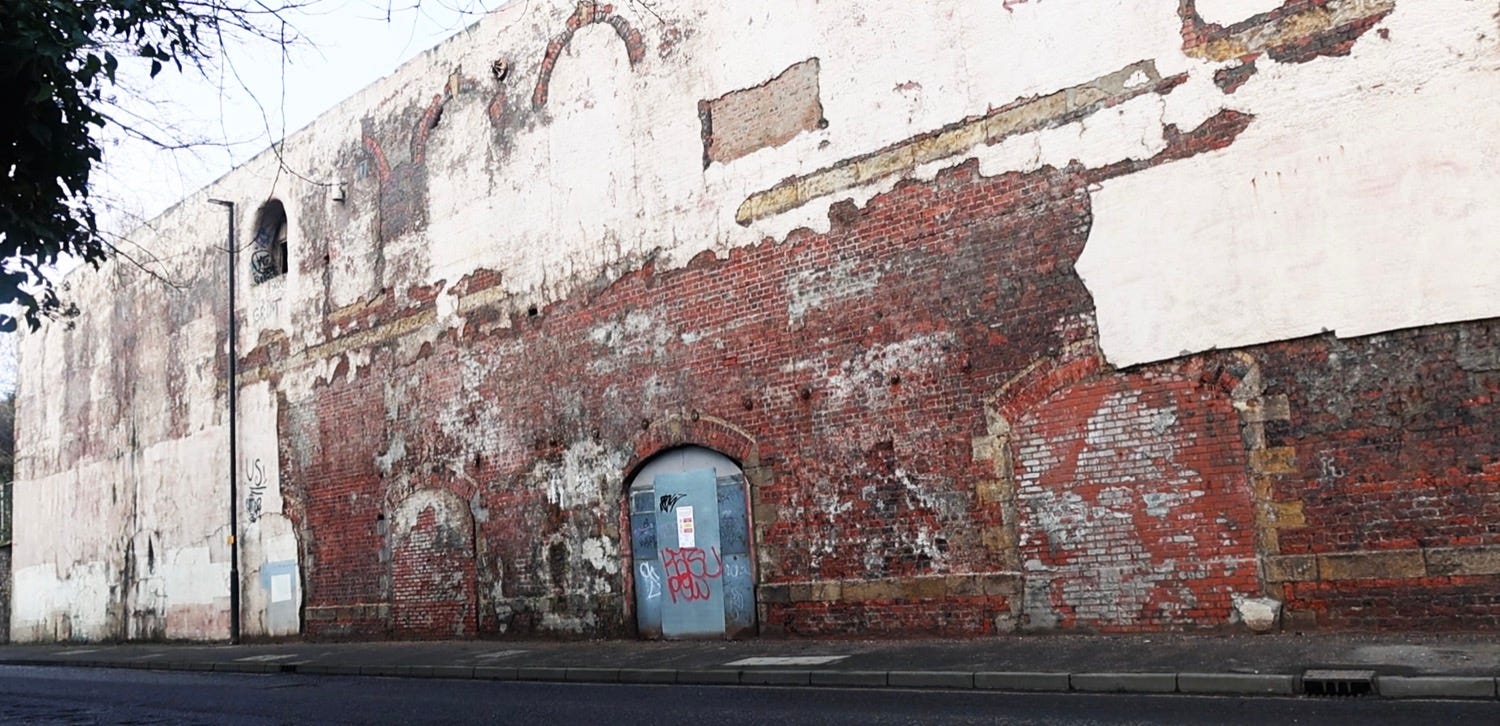
It traces this vanished industry and the site’s current status, with its abandoned works buildings such as the 1874 Pipe Mill, the 1917 Power House and the pigeon crees, the legacy of the lead works, and what the future holds as a new housing development.
The exhibition is accompanied by a new booklet, Lead on the Tyne, produced in conjunction with St James Heritage and Environment Group.
The site was in use for more than 200 years and was the earliest of the most significant manufacturing industries along the west Newcastle riverside.
The Romans valued lead highly for its versatility and it is thought that one of the roles of the fort of Epiacum, in the South Tyne Valley near Alston on the Maiden Way to Hadrian’s Wall, was to protect the lead traffic.
Lead mining went on to become a major industry in the 18th and 19th centuries in the North Pennines.
“Lead was the plastic of its day,” says Julia, who has created paintings on lead sheeting.
“The Elswick lead works is part of a wider project tracking the social, ecological and cultural impact of large-scale housing development.
“An important focus has been the area’s industrial history, as it was the site of major industries. During the 20th century a remorseless process of de-industrialisation effectively destroyed this industrial base, and with it the economic and social fabric of the area.”
Work on creating the lead works began in 1788. Six years earlier, plumber William Watts patented a way of making regular-sized and shaped lead shot, which was to change the Newcastle skyline.
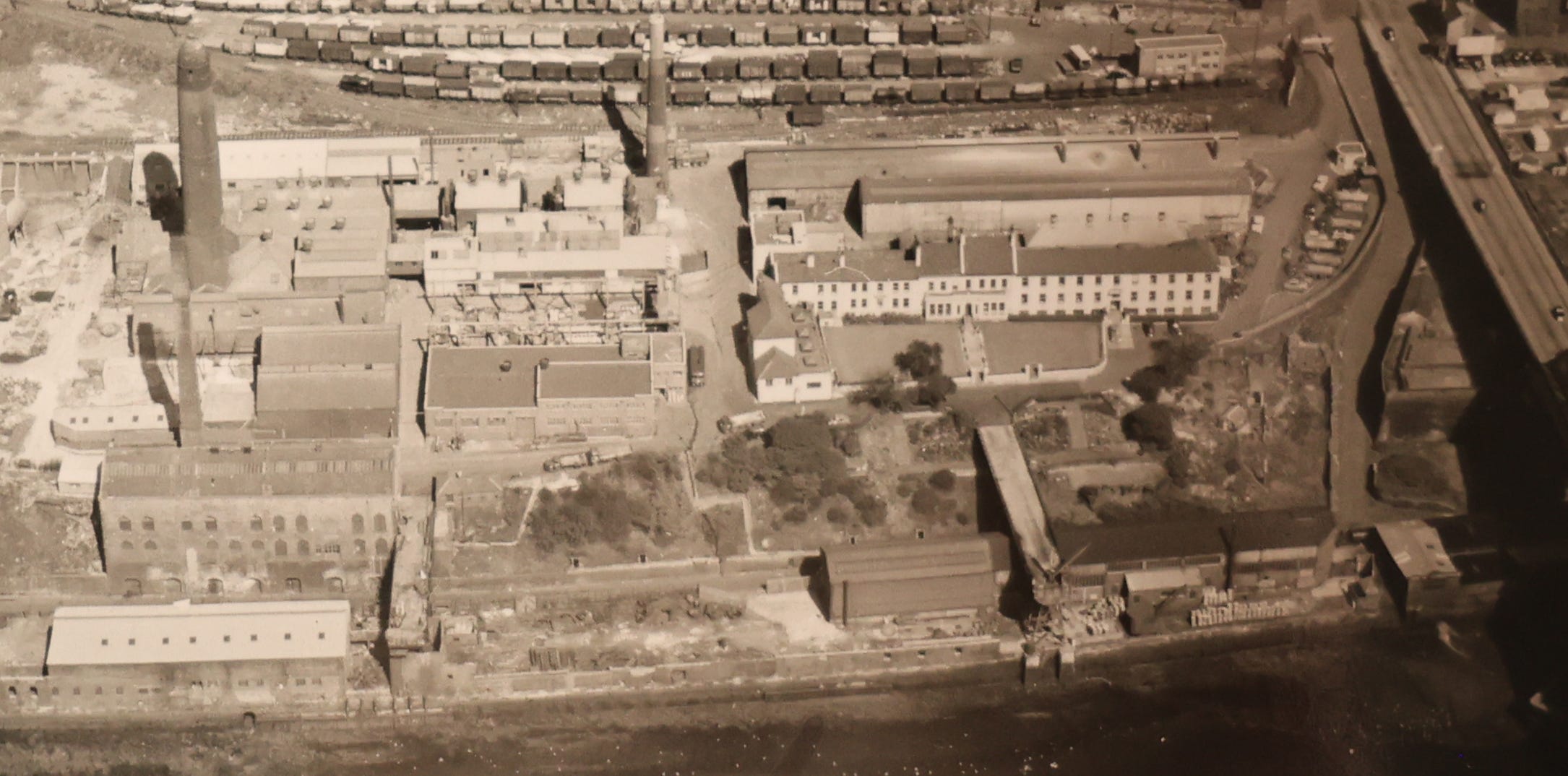
It involved forcing a molten alloy of lead, antimony and arsenic through holes in a sieve and dropping it from a great height in a tower into a deep basin of cold water to form globular shot with no imperfections.
The Elswick owners paid him £10,000 for the patent. The tower continued making shot until 1951.
Workers’ housing was built outside the boundary of the lead works in the mid-19th century. In the 1930s, demolition of the slum housing was underway.
A Clearance Order of 1934 described the area of 87 houses, with a population of 660, as being in a “very bad state”.
It reads: “The ventilation of the bedrooms is bad. It seems very much like the Black Hole of Calcutta. Washing accommodation, owing to the fact that there is no yard, does not exist. Properties are separated by a lane only 8ft wide.”
What, one wonders, would the miserable tenants have made of the modern housing which is set to be the latest chapter in the site’s history?