

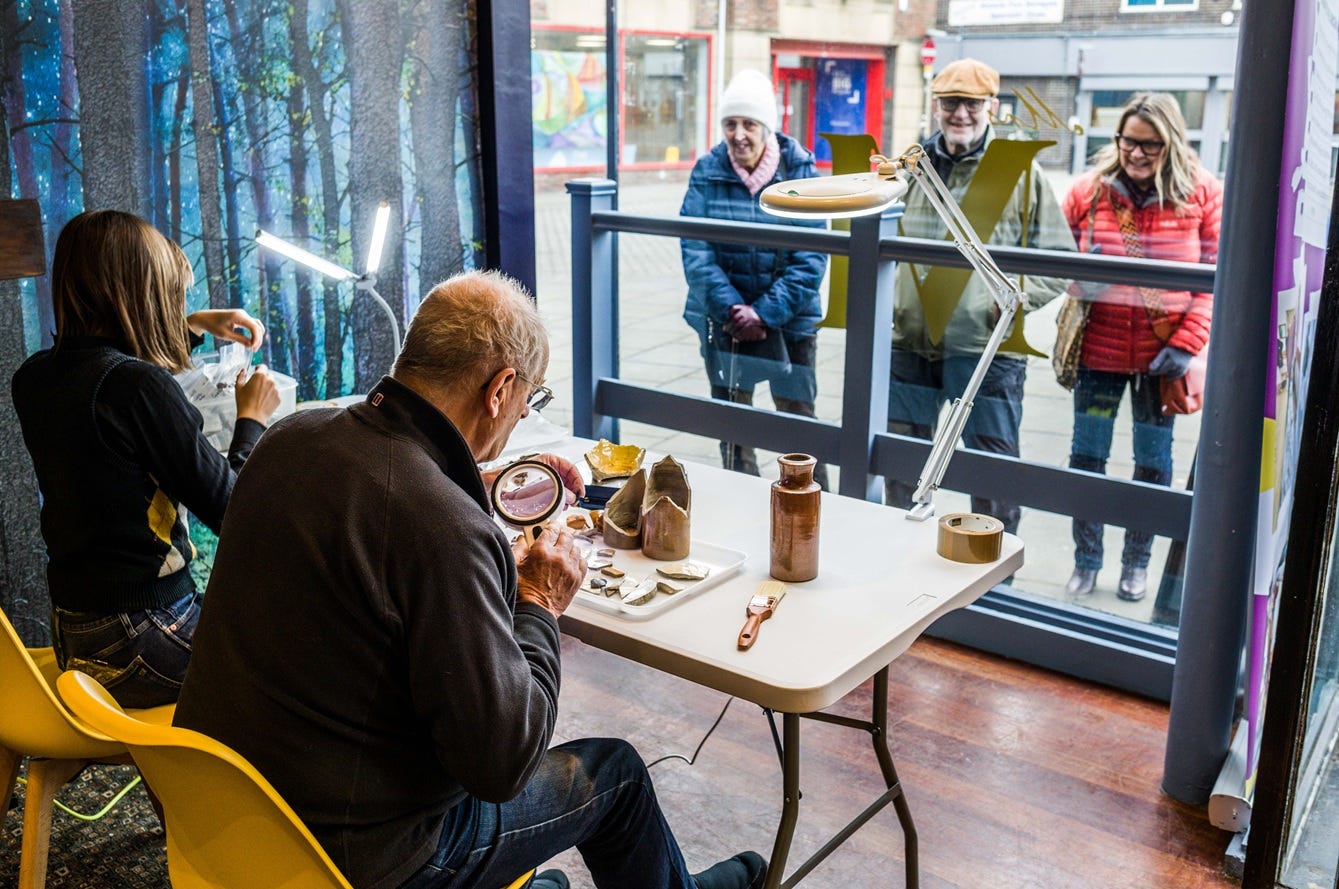
Archaeologists working to unravel the long-hidden story of Auckland Palace have opened a rare window onto their work - inviting the public to watch history being pieced back together in real time.
A new ‘open laboratory’ has launched in Bishop Auckland town centre, where experts from The Auckland Project and Durham University are analysing hundreds of artefacts uncovered during eight years of excavations at the former bishops’ palace. The temporary lab is based at Hearth on the Market Place, with much of the work visible directly through the venue’s windows.
The initiative follows an extensive archaeological programme which, since 2018, has seen more than 1,000 volunteers, students and early-career archaeologists help transform understanding of what is regarded as one of the most significant medieval bishops’ palaces in Western Europe.
Excavations have revealed palace walls, towers and gatehouses built by the powerful Prince Bishops of Durham, alongside a two-storey chapel dating to around 1300, commissioned by Bishop Bek. A later 17th-century mansion constructed by Sir Arthur Haselrig was also uncovered, a discovery featured on the BBC’s Digging for Britain.
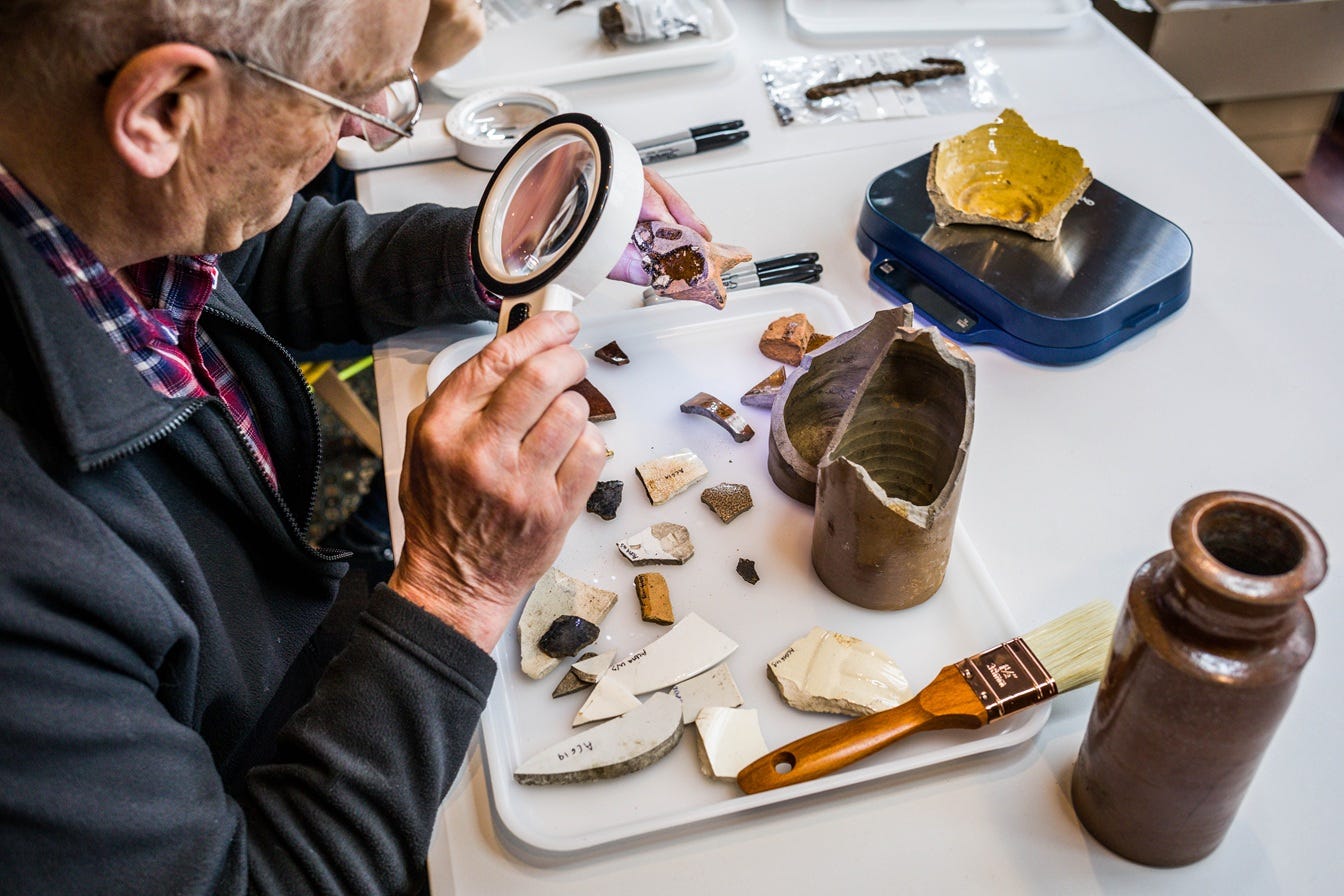
Thousands of objects have been recovered, ranging from everyday pottery and building materials to rare and unexpected finds. These include whale baleen, an elephant ivory knife with a gold-and-silver handle, intricate wine glasses and a jet dice thought to have been used for fortune-telling - evidence of the palace’s wealth and far-reaching connections.
With excavations now complete, attention has turned to more than 300 boxes of finds, with post-excavation analysis expected to take up to two years.
Dr John Castling, Archaeology Curator at The Auckland Project, said: “This work usually happens out of sight, but we wanted to open it up.
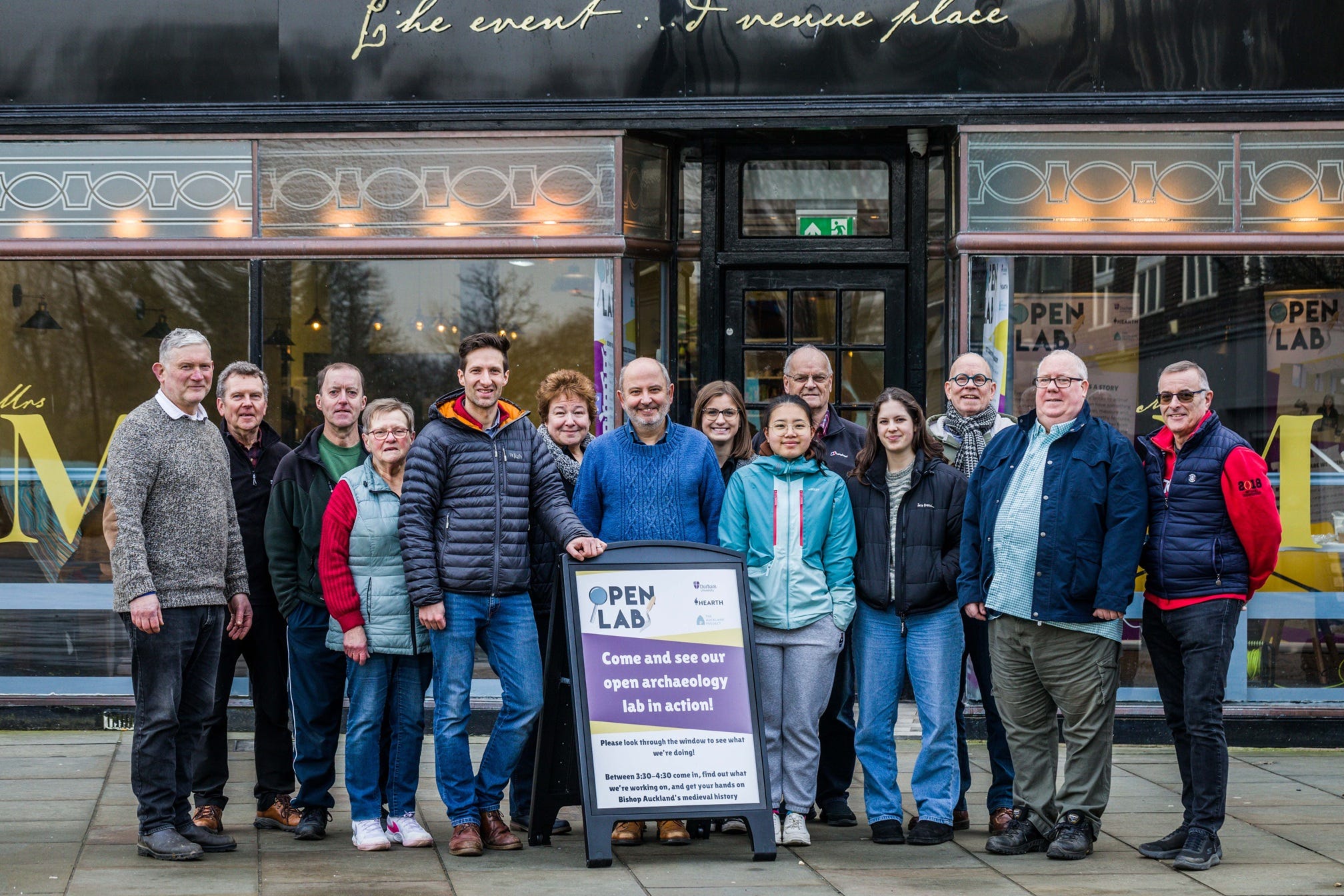
“People can drop in, see what we’re working on that day and build a picture of how archaeology really works - whether that’s sorting pottery one week or analysing glass the next.”
Professor Chris Gerrard, from Durham University’s Department of Archaeology, added: “Rather than only seeing objects in display cases, this exposes the process behind discovery. It’s hands-on and accessible. We hope it inspires people to learn more about archaeology - and perhaps get involved themselves.”
The open lab will run for at least a year, offering regular chances for visitors to handle artefacts, speak directly with archaeologists and follow new discoveries as they emerge.