


In the immediate aftermath of the riots which shook Sunderland in the summer of 2024, the physical damage was easy enough to see.
Broken windows, scorched streets and the visible scars left by a city caught in the glare of national headlines told one story. But, as is so often the case, the harder damage to quantify sat beneath the surface.
Trust had been shaken. Relationships between communities felt strained. Longstanding tensions around identity, belonging and who gets heard had been dragged into the open in an ugly and painful way.
For many, the question was not simply how Sunderland recovered from those days, but what meaningful recovery might actually look like.
For Sunderland and South Tyneside-based arts organisation The Cultural Spring, part of the answer lay in creating spaces where people could come together, speak honestly and, perhaps most importantly, listen to one another.
Using funding from Sunderland City Council and the UK Government’s Community Recovery Fund, The Cultural Spring developed a community cohesion project, Sunderland: Our Home in response to the unrest.
Rather than rushing to create work about the riots themselves, the organisation spent time speaking to people across the city - youth workers, community organisers, refugee support groups, asylum seeker networks, mental health services, probation services and grassroots organisations - to better understand what was really needed.
Emma Biggins, community engagement co-ordinator at The Cultural Spring, says the organisation’s existing relationship with local people and track record of work over more than a decade was central to why it was asked to help shape the response.
“They knew that we would do this with the community and not to the community, and that local voices would be central throughout.”
That distinction proved important, because the more conversations the team had, the clearer it became that the riots themselves were only part of the story.
What people kept returning to were the deeper issues which had helped create the conditions for division in the first place: isolation, misinformation, economic insecurity, mistrust, anger and a sense among some people that they had been forgotten or left behind.
As Emma puts it, “It was more about that feeling of hopelessness and that feeling of disenfranchisement.”
Out of that process came two central commissions, each designed to explore those themes through a very different creative lens.
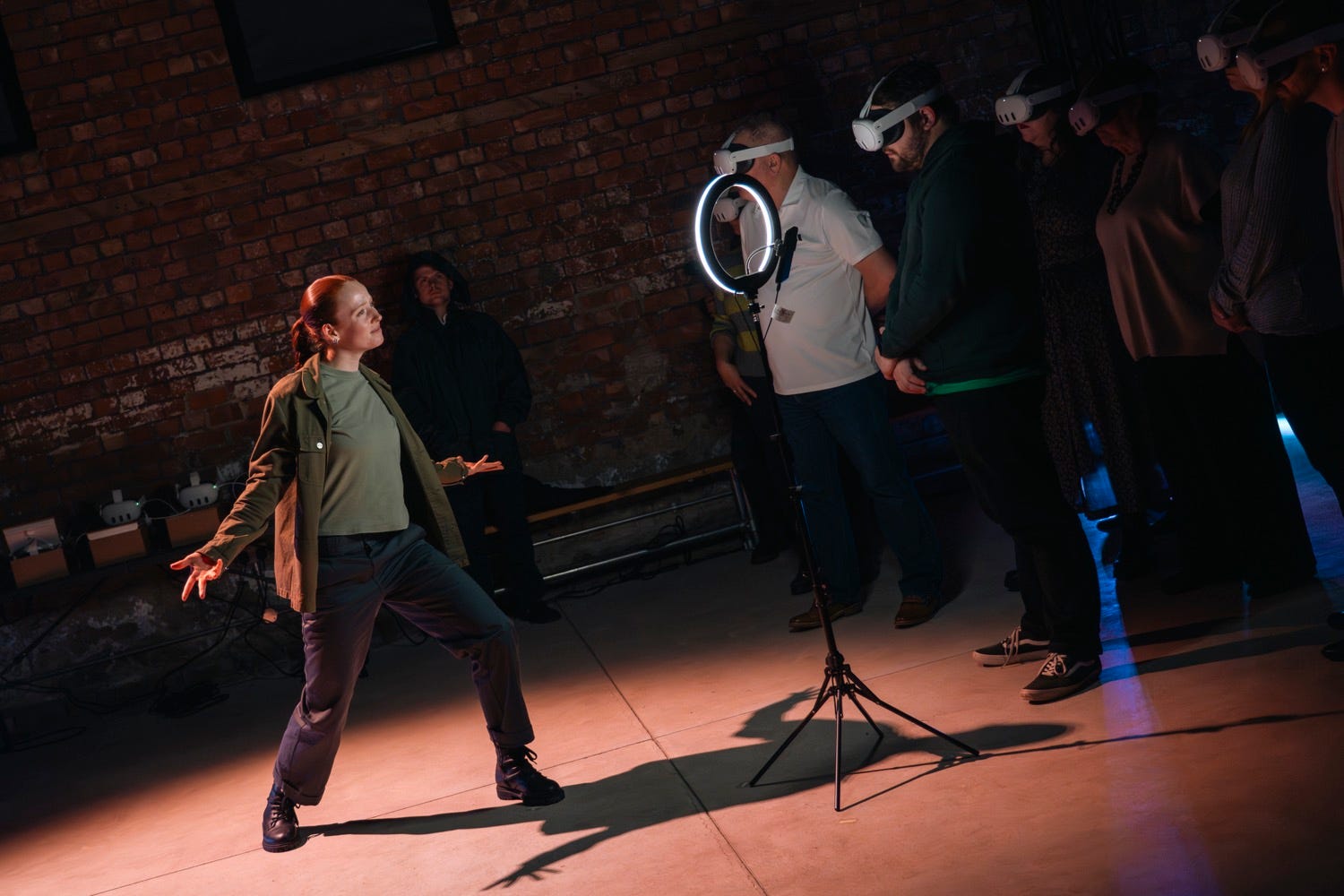
One was Dear Sunderland, a new work from Unfolding Theatre. The other was 3.1, an immersive mixed-reality experience created by Sunderland-based dance company Southpaw.
Together, the projects offered two strikingly different ways into the same conversation.
While Dear Sunderland leaned into storytelling, music and spoken word, 3.1 used movement, technology and immersion to ask audiences to step inside perspectives beyond their own.
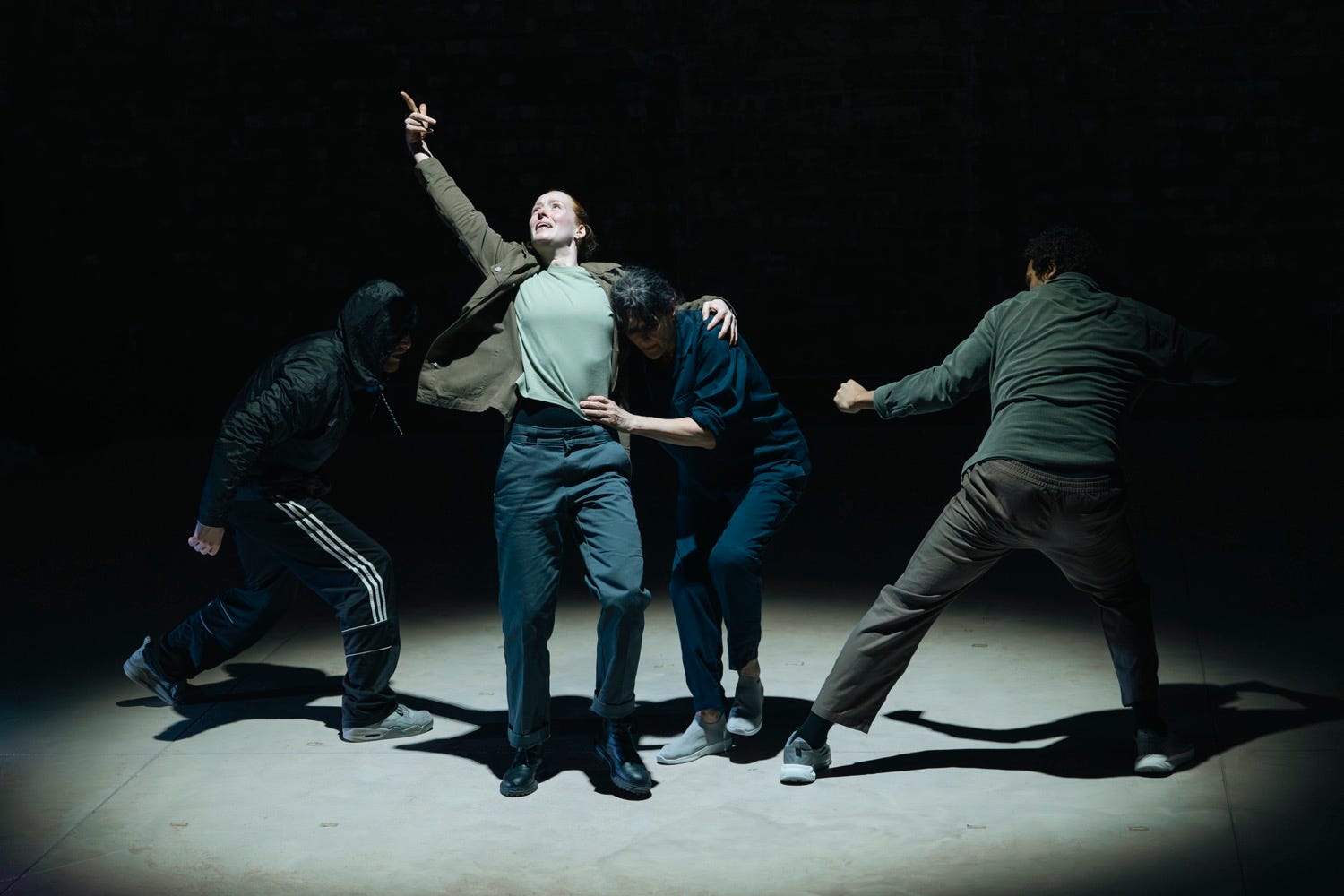
Developed by Southpaw using dance, sound and digital storytelling, 3.1 explored the riots and their aftermath through four distinct viewpoints, challenging audiences to engage not as passive observers but as participants moving through an emotional and social landscape shaped by fear, confusion, anger and misunderstanding.
It was created following weeks of talking to people of all ages about the riots and the reasons why Sunderland was one of many places where the disorder had broken out.
Speaking in March when 3.1 was performed at the company’s Sheefolds studio, Southpaw artistic director, Robby Graham said: “Rather than telling one version of events, the show explores four contrasting perspectives shaped by age, background and lived experience, built from consultation with communities across the city.

“These perspectives reflect some of the tensions that surfaced in Sunderland in the summer of 2024 - around belonging, generational change, migration, identity, and what it means to feel heard or unheard in your own city.
“We’re not interested in pointing fingers. The piece asks how people arrive at their beliefs, how quickly we judge one another, and what happens when frustration turns into action. It also asks whether repair - personal and collective - is possible.”
If 3.1 used technology to immerse audiences in the complexity of division, Unfolding Theatre’s Dear Sunderland took a far simpler, more intimate approach, using the act of letter writing to invite reflection, connection and conversation.
Unfolding Theatre director Annie Rigby, says the commission felt deeply connected to years of previous work in the city.
Through earlier projects - specifically 2016’s Putting the Band Back Together, which had also been created with The Cultural Spring - Annie had already seen what happens when creative spaces bring together people whose worldviews might otherwise never intersect.
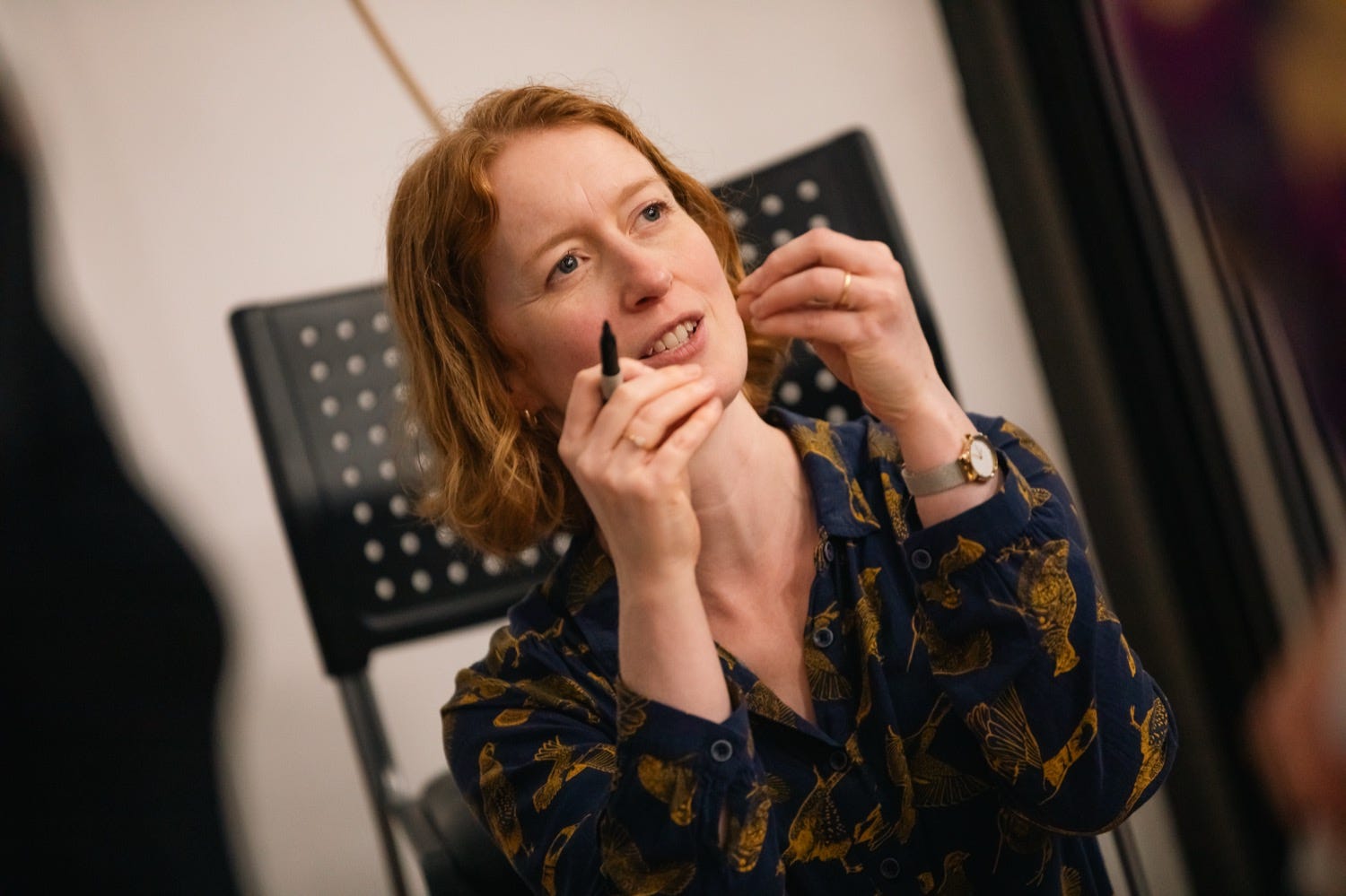
“It was in the shadow of the Brexit referendum when we were delivering that project,” Annie says. “And we really had everything from absolutely staunch Remain campaigners right through to a guy who was standing for UKIP in local council elections. All working together to create something everyone could be proud of and enjoy.”
That experience stayed with her, and it informed one of the key decisions behind Dear Sunderland.
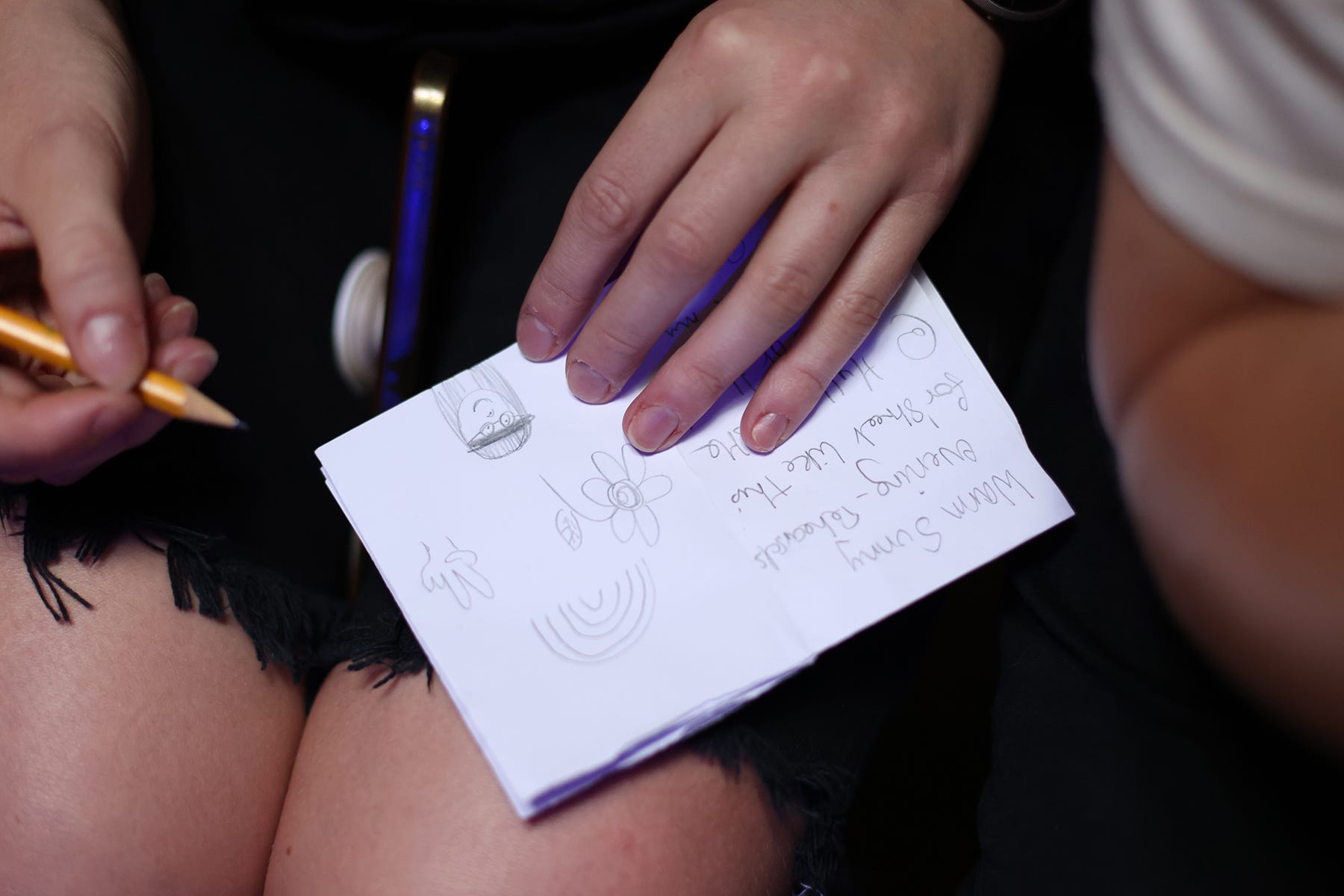
Rather than asking participants directly about the riots - a question Annie felt might immediately put people on the defensive - she chose to approach the subject sideways, asking people: ‘If you could write a letter to Sunderland, what would you say?’,
That invitation unlocked something Annie describes as “remarkable”.
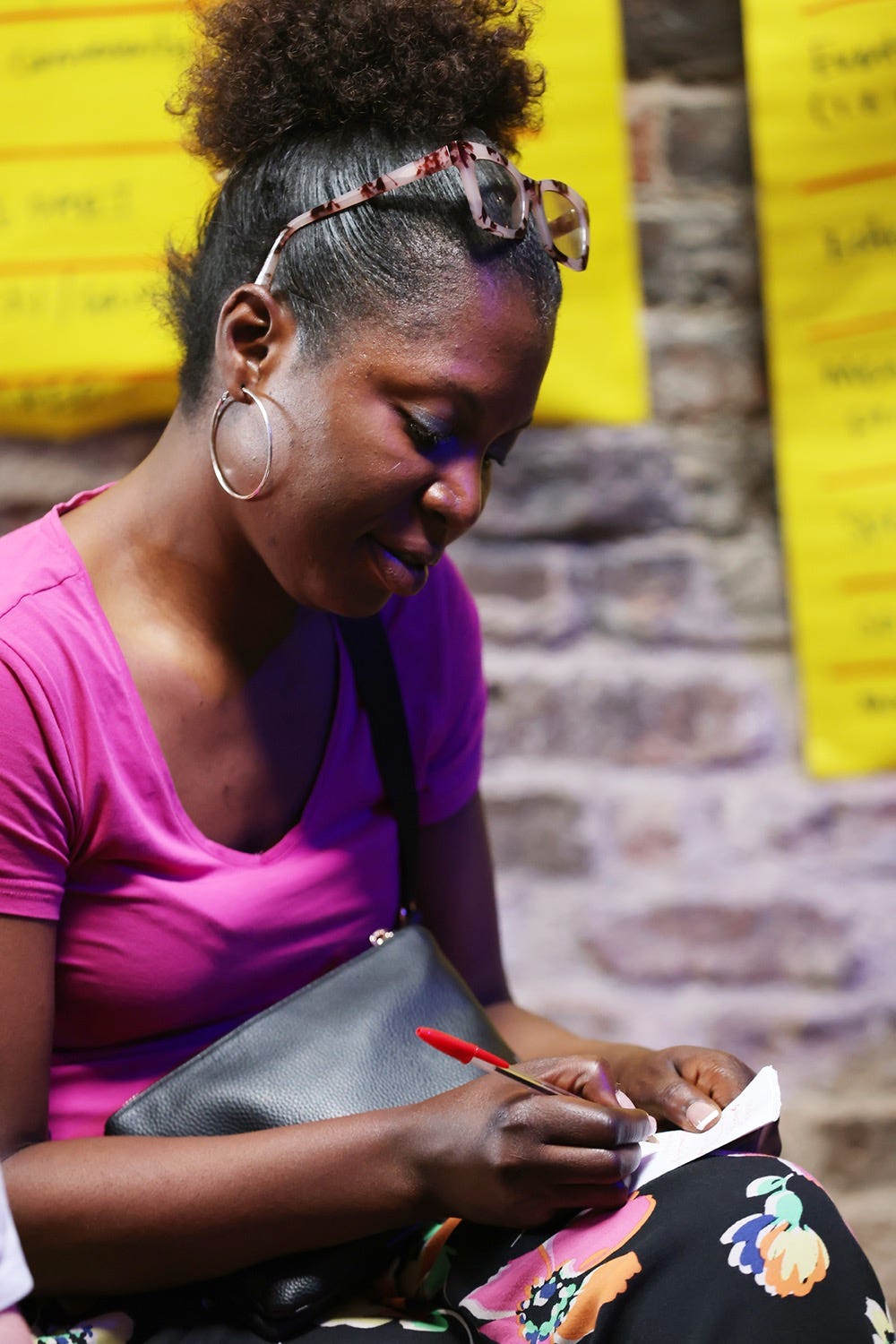
Letters began arriving from across Sunderland. They came from schoolchildren and pensioners, new arrivals and lifelong residents, mothers with newborn babies, asylum seekers, probation groups and people involved in community support networks.
Some letters were warm and affectionate, full of love for Sunderland and fierce civic pride. Others were deeply angry, painfully raw or laced with frustration and despair.
“We absolutely had hate mail,” says Annie. “People were so angry or despairing of Sunderland. We also had total wholehearted love letters.”
At the beginning of the process, which involved workshops and discussion sessions, Annie wondered whether some participants were holding back, careful not to voice views they suspected might be unwelcome in a room shaped by artists and cultural organisations.
“But there was a real sense of honesty as trust developed through the process,” she says, adding that participants voiced difficult opinions about immigration, housing, public services and resource allocation. Some of those views reflected prejudices; others reflected confusion, fear or frustration.
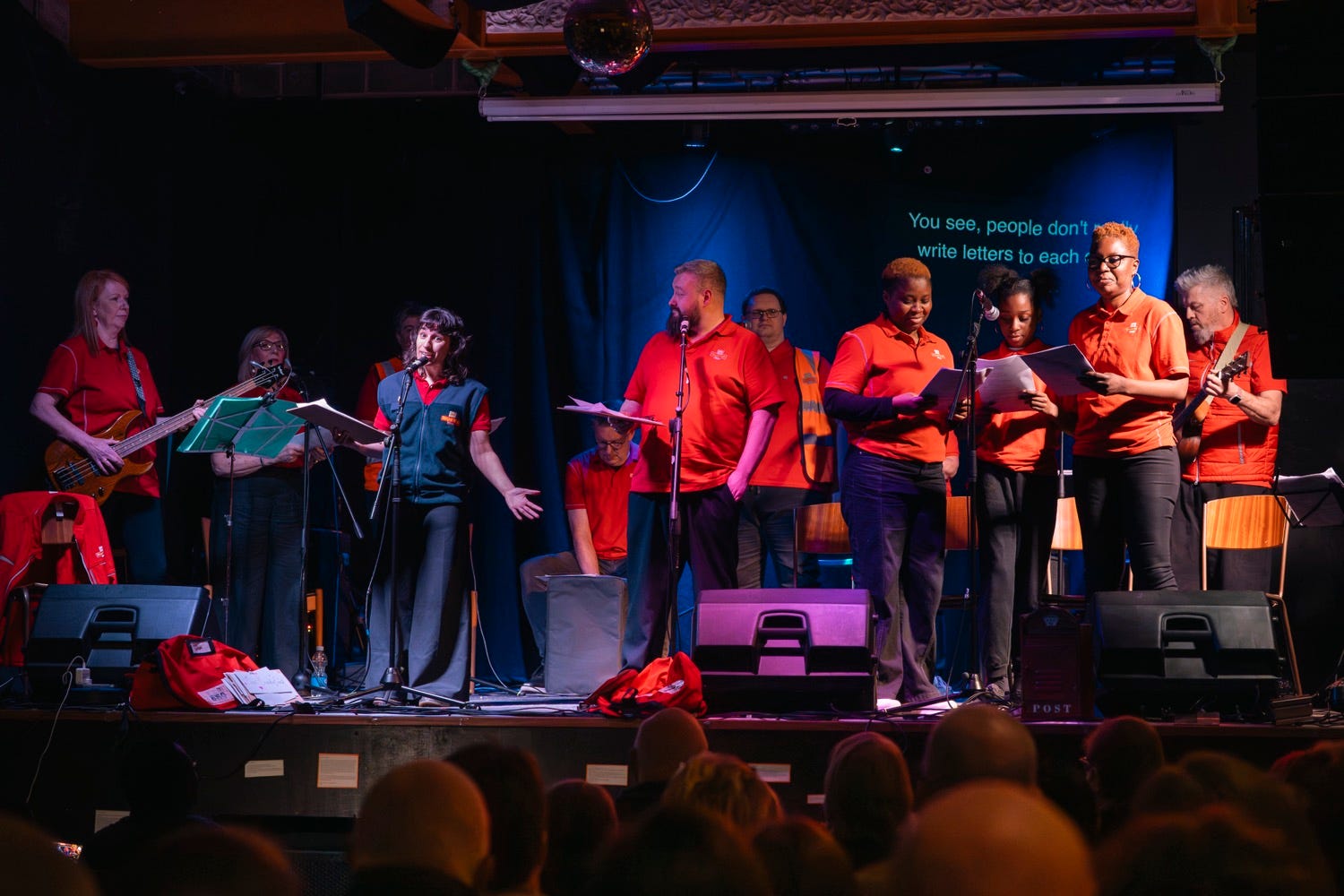
That complexity of feelings became central to the resulting Dear Sunderland performance which took place at Pop Recs in Sunderland (there were also pop up events at The Galleries in Washington and Sunderland Train Station).
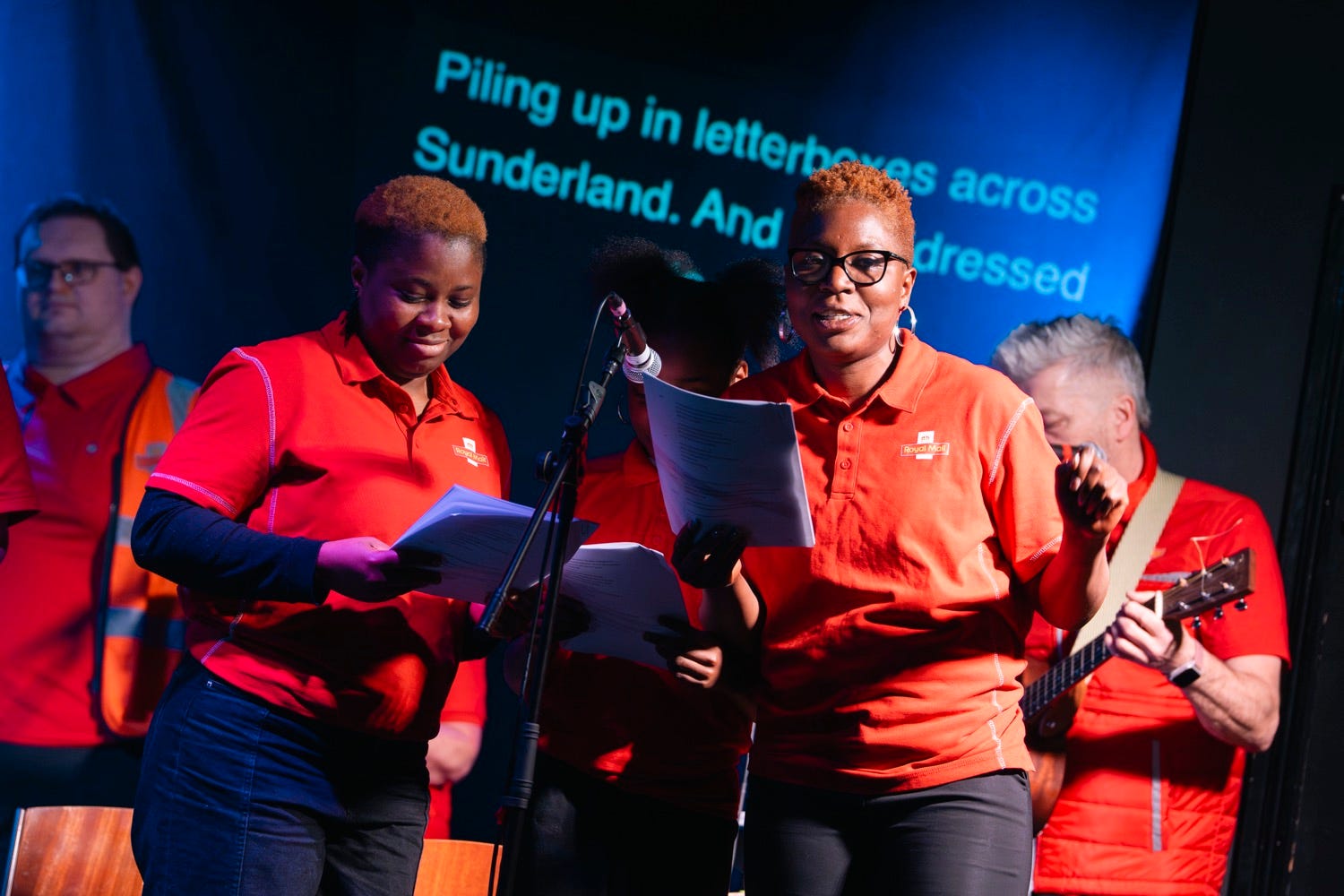
Presented by actors, musicians and community participants dressed as postal workers, Dear Sunderland imagined letters arriving for a city that could not reply. Instead, the people delivering them began responding to one another, gradually creating a conversation through competing memories, viewpoints and emotional truths.
“It felt really a gift to be able to deliver this project,” says Annie. “At least we’re putting something into this space that is hopefully positive, that is hopefully around actually bringing people together and finding those points of connection.”
One of the most striking moments came through a letter written by Nigerian woman, Kelechi Ejelonu-Victor, who asked to read it out herself.
Her letter was warm, generous and direct, speaking of feeling welcomed in Sunderland while also gently challenging the city to do better. At one point, she suggested: “You could open your doors a little wider.”
Annie admits she felt nervous about how audiences might respond, but it was greeted by a spontaneous round of applause.
“The whole piece was really, really well received, including from some of the people who we know had expressed some kind of anti-immigration views,” says Annie.
That moment has stayed with her, not because it suggested art can magically solve entrenched social problems, but because it demonstrated something both rare and hopeful. People stayed in the room.
They listened to stories that complicated easy narratives. They encountered perspectives that challenged assumptions.
Nearly a year on, the legacy of the project feels less about the performances themselves and more about the connections they created.
Some community groups are continuing conversations and collaborations which began during the process. Southpaw is developing 3.1 further while Dear Sunderland is also continuing its journey.
“Summer Streets’ director, Ross Millard came to see the piece at Pop Recs and said he wanted to programme it as part of this year’s festival, which is really beautiful,” says Annie.
A shorter version will open the Summer Streets Sunday programme at Cliffe Park on July 5.
And Annie sees no reason why it couldn’t be continually revisited.
“That kind of ongoing evolution feels entirely appropriate. It’s a piece that can keep being repopulated as the conversation continues.”
Emma says that sense of continuation matters to The Cultural Spring as well. One of the clearest signs of the project’s value has been the fact that exchanges sparked by it are still happening.
“I think the legacy is in the fact that those conversations haven’t stopped,” she says. “People are still talking, still questioning and still wanting to work together - and that feels really important.”
And if the past year has shown anything, it is that the questions raised by both works remain painfully relevant. With Reform UK’s recent electoral gains in Sunderland and debates around identity, migration, belonging and representation continuing to shape political discourse, many of the tensions explored by both projects feel far from resolved.
“You don’t do one project and suddenly fix community cohesion,” Emma continues. “But you can create spaces where people feel able to listen to each other differently, and that has real value.”