


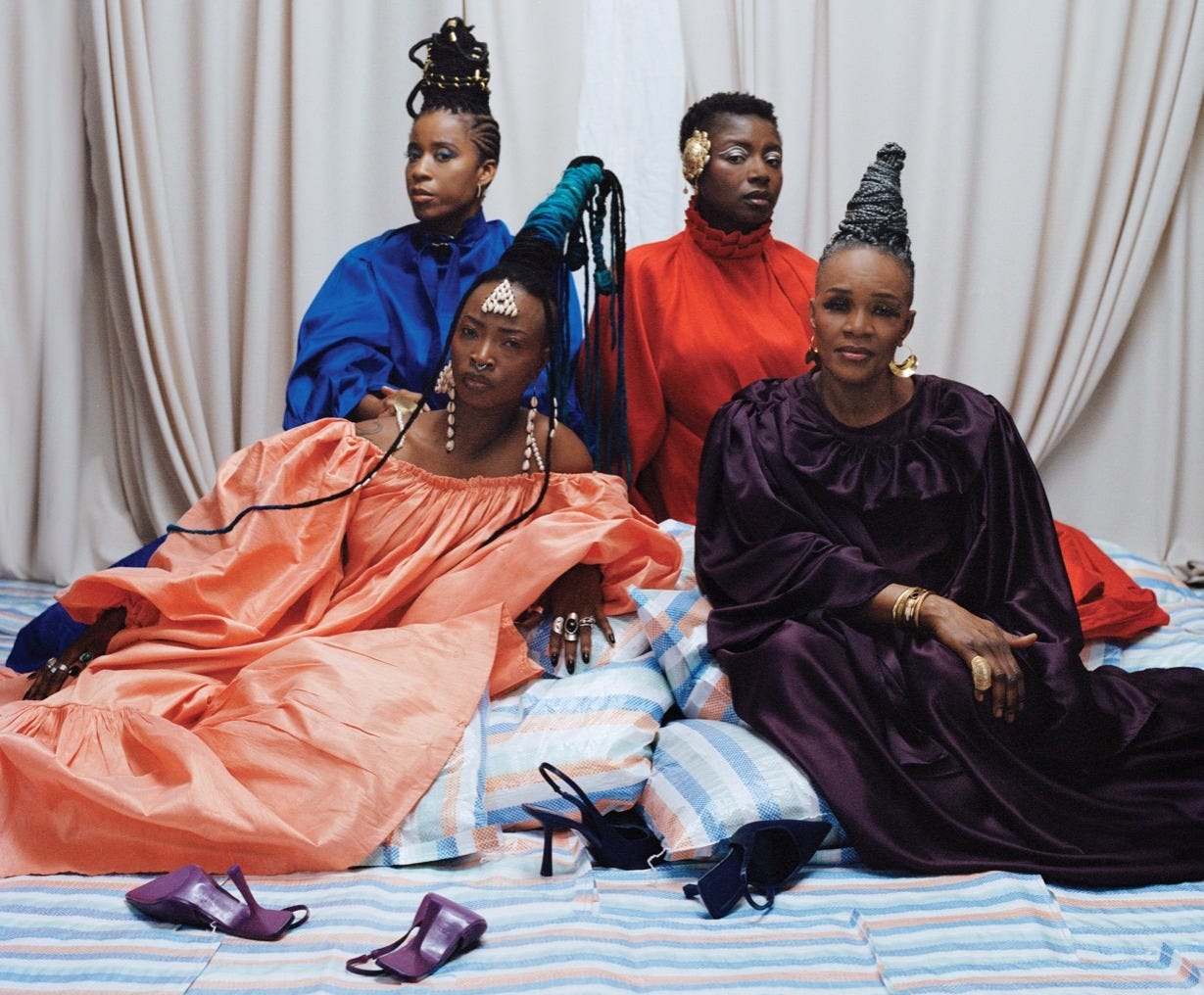
When Adeola talks about performing with Les Amazones d’Afrique, it doesn’t take long for dancing to enter the conversation.
“There’s kind of this powerful mix of vocals. There’s rhythm, a lot of rhythm. There’s a lot of dancing,” says the Nigerian singer, speaking from Lagos ahead of the collective’s return to the UK.
“There’s a lot of speaking. There’s a lot of call and response with the audience.”
Gateshead will get to experience all of the above when Les Amazones d’Afrique headline African Soul Rebels at The Glasshouse on October 9.
The touring series is being revived as part of the 25th anniversary celebrations of Music Beyond Mainstream, a network of 11 UK concert halls established in 2001 to bring artists and projects beyond the usual touring circuit to audiences around the country.
African Soul Rebels returns with a three-act bill celebrating music which both draws on tradition and pushes it in new directions, bringing Les Amazones together with Malawian musician Gasper Nali and Guinea-born, Cardiff-based N’famady Kouyaté.
For Les Amazones, the 11-date tour represents their biggest UK platform to date – but there is more than a good night out at the heart of the collective.
The pan-African, all-female group was founded in 2014 by Malian artists Mamani Keïta, Oumou Sangaré and Mariam Doumbia, alongside Valerie Malot, and has since expanded to bring together women from across Africa and its diaspora.
Its music champions gender equality and female empowerment, confronting violence against women and girls while combining African musical traditions with electronic pop, hip-hop and other contemporary influences.
Adeola joined the collective around the beginning of 2024, bringing with her a musical identity firmly rooted in the country where she grew up and still lives.
Although she had sung and written songs from a young age, she came relatively late to life as a performer.
“I didn’t become a musician or singer until much later in life,” she says. “I enjoyed writing music, but not really performing. It wasn’t something that I thought I would be doing. But somehow, I ended up on stage and fell in love with it.”
Her own music draws on the sounds she grew up with in Nigeria – including juju, highlife and Fuji – alongside soul, cinematic music and pop, with songs moving between English and her native Yoruba.
“My musical identity will be a mix of my African identity and my kind of identity that I have when I exchange with the world as well,” she says.
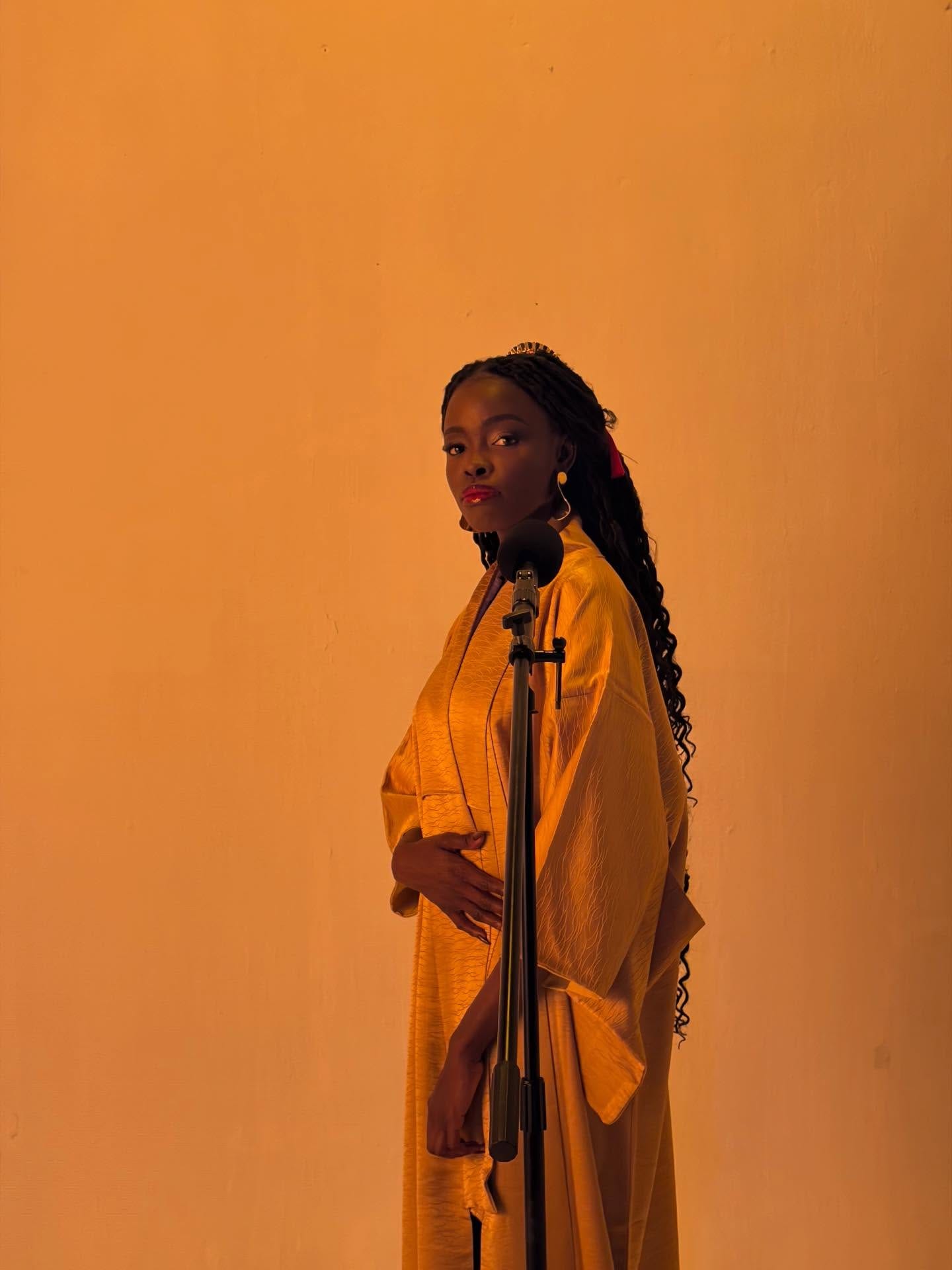
Music is only part of a surprisingly varied CV. Adeola has worked as an engineer and a tour guide – indulging a fascination with history which has taken her from museums in Nigeria to the Normandy beaches and the Louvre.
“I just follow my heart and follow my interests wherever it takes me,” she says.
Travel, she adds, feeds back into her music by introducing her to different people, cultures and stories – something she also finds within Les Amazones.
“Every day with them is another journey… another way to learn.”
That sense of exchange is important to her. Before joining the collective, ideas of female freedom and independence were already finding their way into her songwriting.
“I’ve always written music that always expresses freedom as a woman, or being free, being completely yourself, being able to live more than what society accepts of you as a woman,” she says.
Working with women from different countries has broadened those conversations.
“You get educated by spending time with these women, this collective, and also just understanding more and more things that we need to talk about, things that we need to discuss.”
That exchange can be heard on new single Ifé, released ahead of the UK tour and taken from an album due next year.
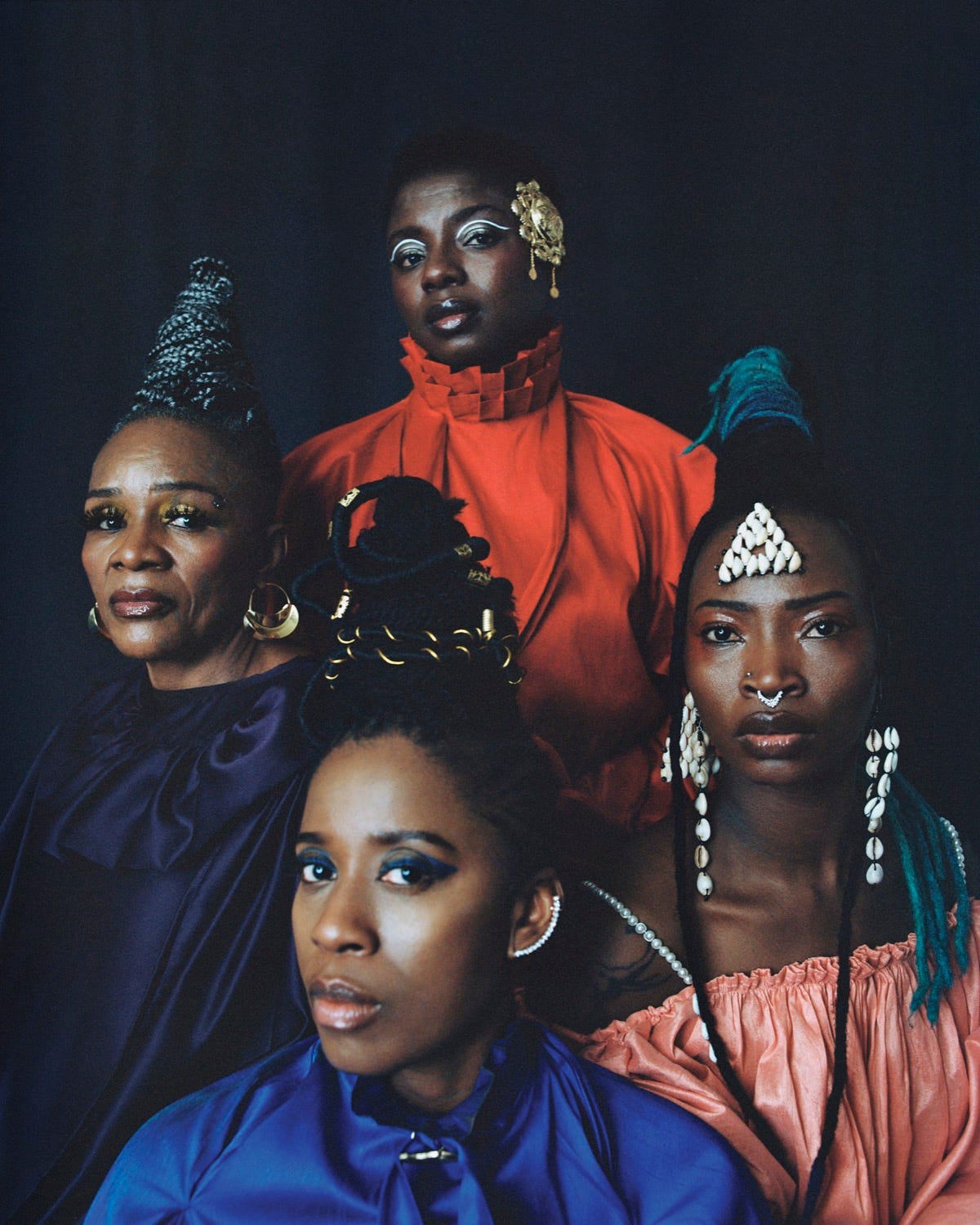
Meaning ‘love’ in Yoruba, the song brings together Adeola, Alvie Bitemo from the Republic of Congo, Dobet Gnahoré from Ivory Coast and Mali’s Mamani Keïta, with lyrics moving between Yoruba, Lingala, Bembé, Bété and Bambara.
Adeola remembers all four women being together when the song took shape.
“We were all in a room thinking of what we were gonna sing, and kind of sing about love,” she says.
“It’s that unified spirit, that harmony of spirits. You start to sing, we come together and create music.”
That spirit of exchange extends neatly to the wider African Soul Rebels bill.
Gasper Nali arrives from the shores of Lake Malawi with an instrument likely to require a little more stage space than most. His babatoni is a three-metre-long, one-stringed homemade bass guitar, played with a stick and empty beer bottle and accompanied by a cow-skin kick drum, percussion and guitar to produce his distinctive, danceable Afro beats.
N’famady Kouyaté, meanwhile, moved from Guinea to Wales in 2019 and has since built a growing UK following, winning Glastonbury’s Emerging Talent Competition in 2023.
His principal instrument is the balafon – a traditional wooden xylophone with deep roots in West African culture and his own griot/djeli family heritage – but his musical influences stretch as far as Super Furry Animals and The Flaming Lips.
It will be Adeola’s first time performing alongside the other African Soul Rebels acts, although other members of Les Amazones have crossed paths with them before.
“I cannot wait,” she says. “It’s going to be incredible because, I mean, African music is incredible. So you can imagine how it’s going to work together.”
For Adeola, taking African Soul Rebels around the UK is also an opportunity for the collective’s messages to travel.
“Music touches your heart directly and music does break that barrier even through language,” she says.
“People don’t necessarily understand what we’re saying, but the energy of the music and the spirit of the music breaks that barrier.
“I can’t wait for us all to dance, move and sing together. That’s what it’s all about – sharing the music and having fun together.”
African Soul Rebels featuring Les Amazones d’Afrique, Gasper Nali and N’famady Kouyaté is at The Glasshouse, Gateshead on October 9. Tickets are available from theglasshouseicm.org