


The 18th-century owners of a major industrial venture splashed big money on their venture in a move which created a new landmark on the Tyneside skyline.
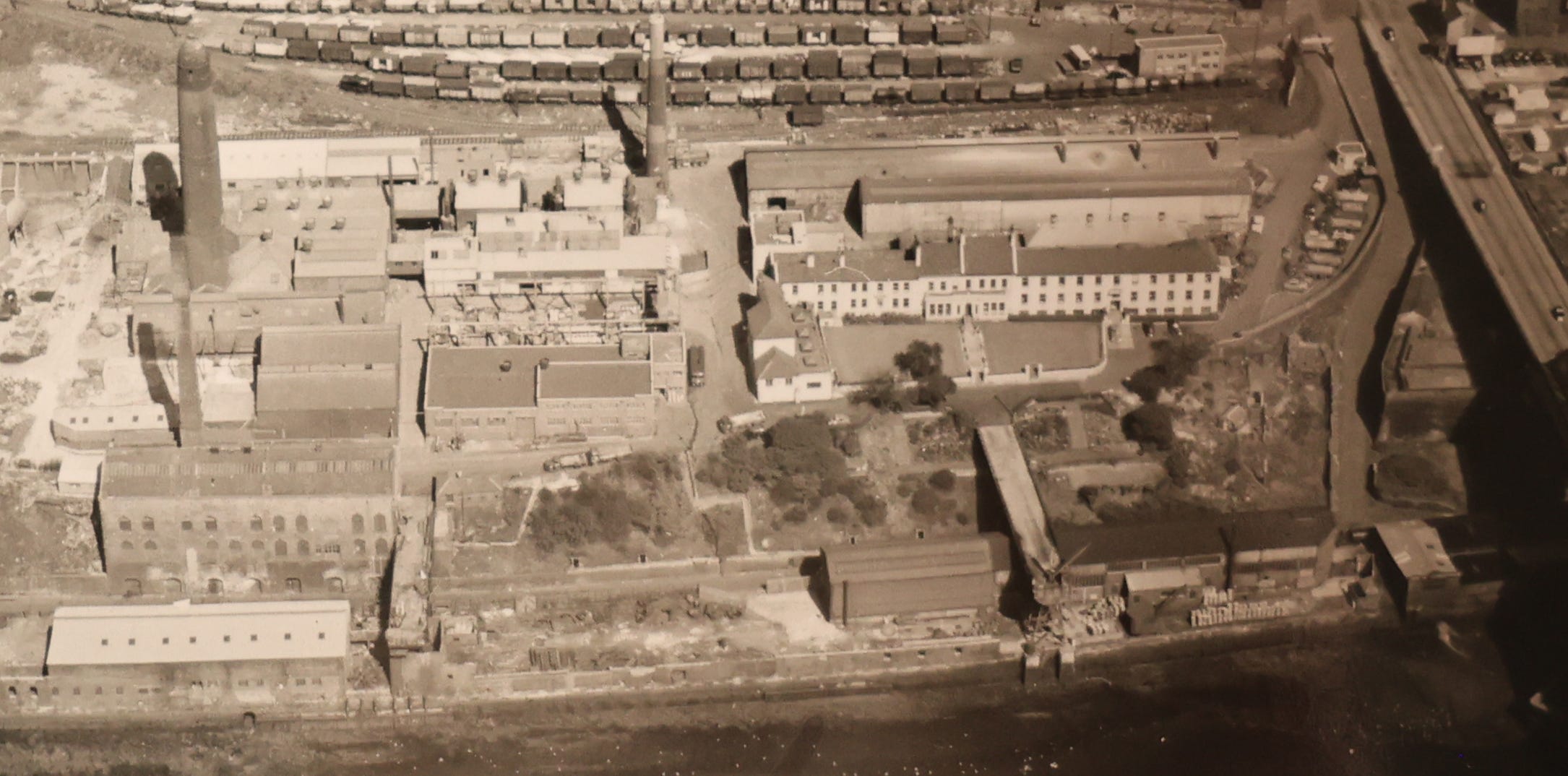
In 1797, they built a 174ft-high Shot Tower at their Elswick Lead Works in Newcastle. It produced spherical shot for firearms by dropping molten lead through a copper sieve high in the tower, thus forming tiny balls which solidified as they fell and cooled in a water basin at the bottom.
The tower caught the eye of J.M.W. Turner, who included it in his painting of Newcastle-on-Tyne in 1823.
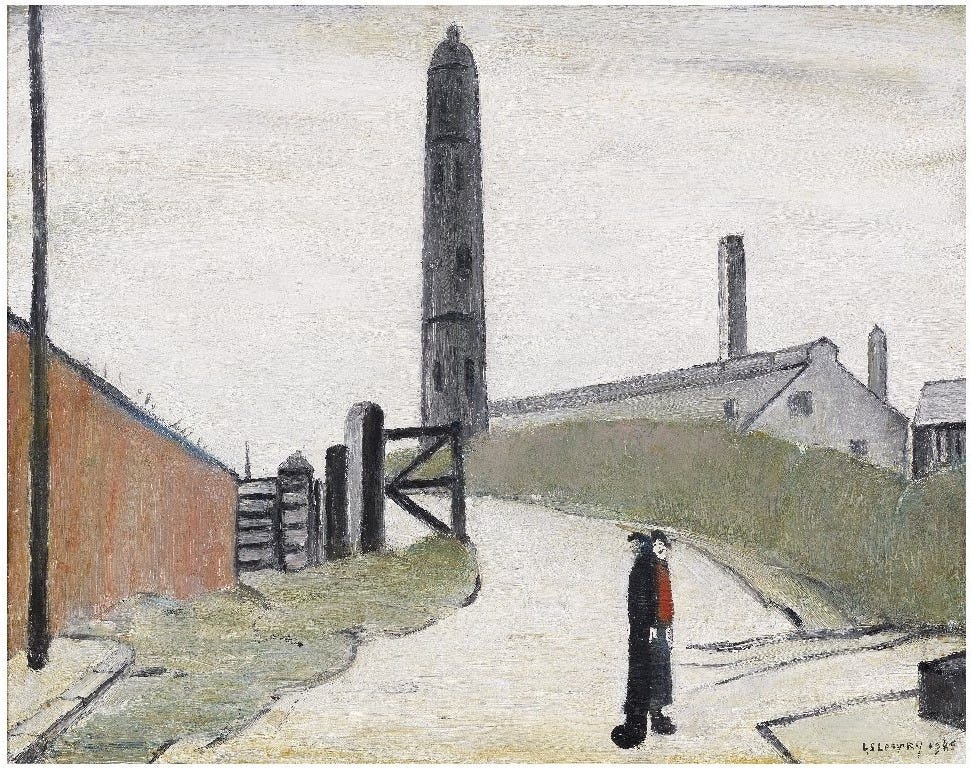
The landmark also grabbed the attention of L S Lowry, who painted it in 1965, just three years before its demolition.
Now the tower has commanded big money again as Lowry’s painting sold for £128,500 through auctioneers Bonhams in London.
Lowry frequently visited the North East, staying at the Seaburn Hotel in Sunderland and also Berwick, and touring the Tyne riverfront. He had close links with the Stone Gallery in St Mary’s Place in Newcastle, which he first visited in 1962.
“Despite his association with Manchester and the North-West, Lowry was particularly fond of the North-East,” said a Bonhams spokesperson.
“Lowry’s strong connection with Newcastle came about largely as a result of his friendship with Ronald (Micky) and Phyllis (Tilly) Marshall, who ran The Stone Gallery.
“Lowry spent much time in the company of the supportive couple who would encourage him to illustrate the city and its environs with him being especially fond of going back and forth across the Tyne on the ferry between North and South Shields.”
The Stone Gallery held three exhibitions of Lowry’s work during the 1960s and exhibited Old Shot Tower in 1967.
The lead works site, now earmarked for housing, featured in an exhibition in June titled Galena (lead ore) at Newcastle Arts Centre, which is part of a project by artist and Newcastle University researcher Julia Heslop, from Cullercoats, who is running a long-term study tracking the landscape changes at the brownfield location.
The exhibition, ranging across film, sound, painting and print, examined the history and cultures of the area, from the origins of lead ore in the mines of the North Pennines to the processing and production plants on the banks of the Tyne.
