


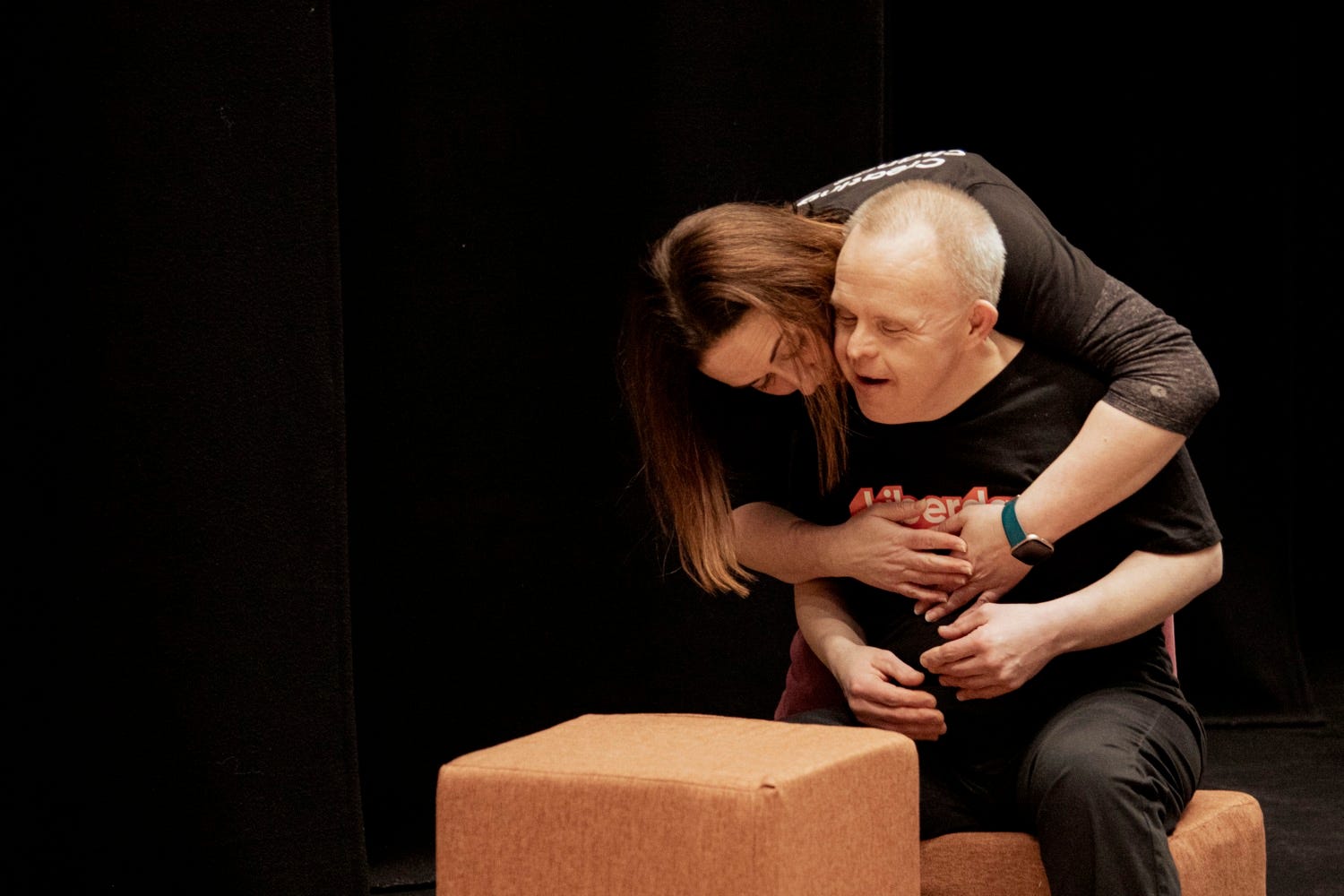
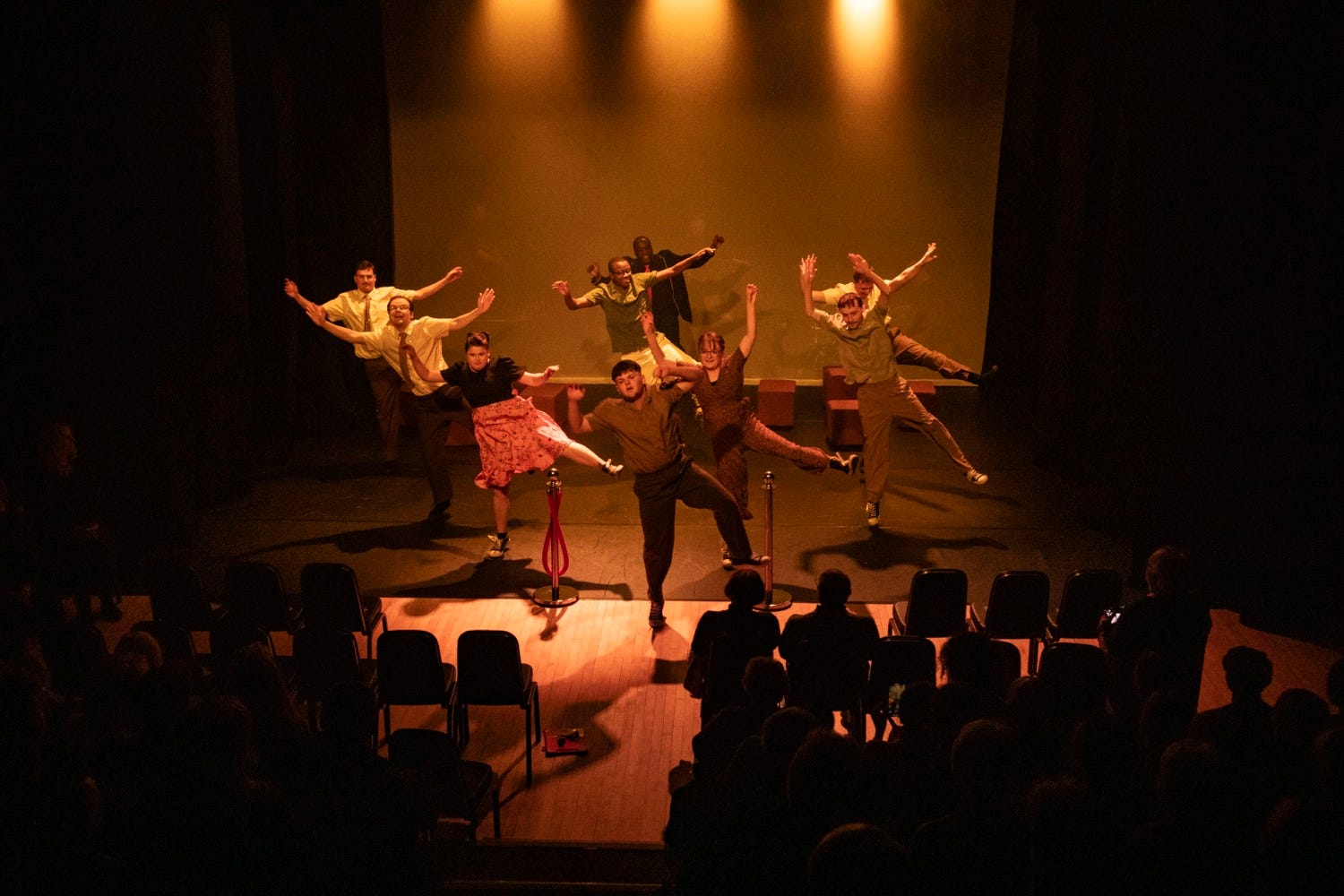
Rehearsals are underway at Gosforth Civic Theatre, where preparations for Freedom Moving, its annual celebration of dance and physical theatre, are gathering pace.
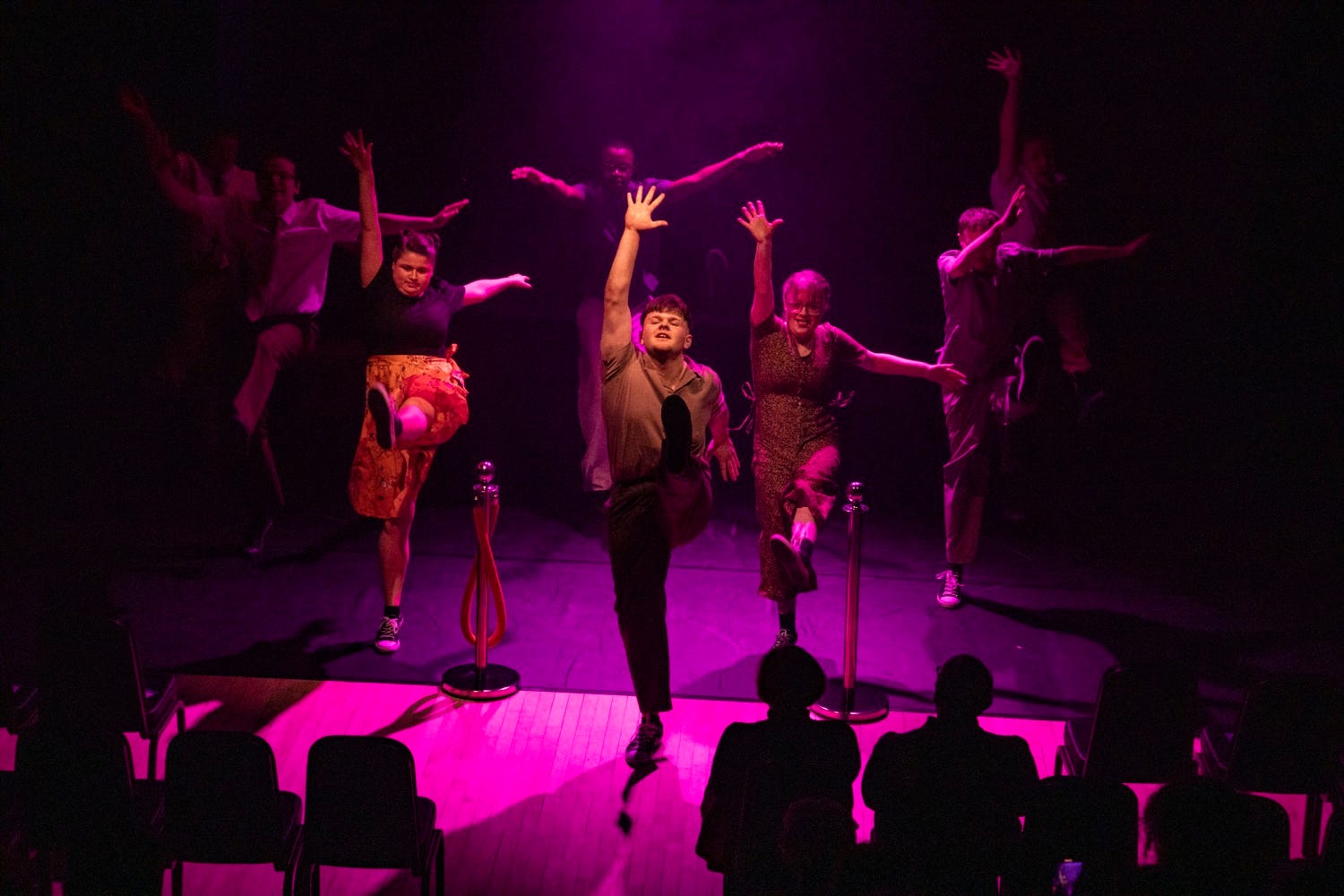
More than 100 performers, including members of the theatre’s regular groups, students from SEND schools and a community choir, will come together for two performances on November 27.
“It’s carnage right now,” laughs deputy chief executive and head of delivery Kelly Turnbull, who is leading the charge to bring everything together. “But it always is. This is when it starts coming together.”
It’s a fitting way to round off the theatre’s 10th anniversary year.
Because while Gosforth Civic Theatre has established itself as a popular destination for live music, comedy, theatre and community events, it’s what happens beyond its public programme that sets it apart from other arts venues.
GCT is the UK’s only theatre founded and guided by people with learning disabilities. And 10 years after opening its doors, those founding principles remain central to everything it does.
The story begins in 2003 with Liberdade, an apprenticeship scheme which supported eight young people with learning disabilities to establish and run their own theatre company.
For years, the company rehearsed and performed in borrowed spaces and community centres. But its members always had bigger ambitions.
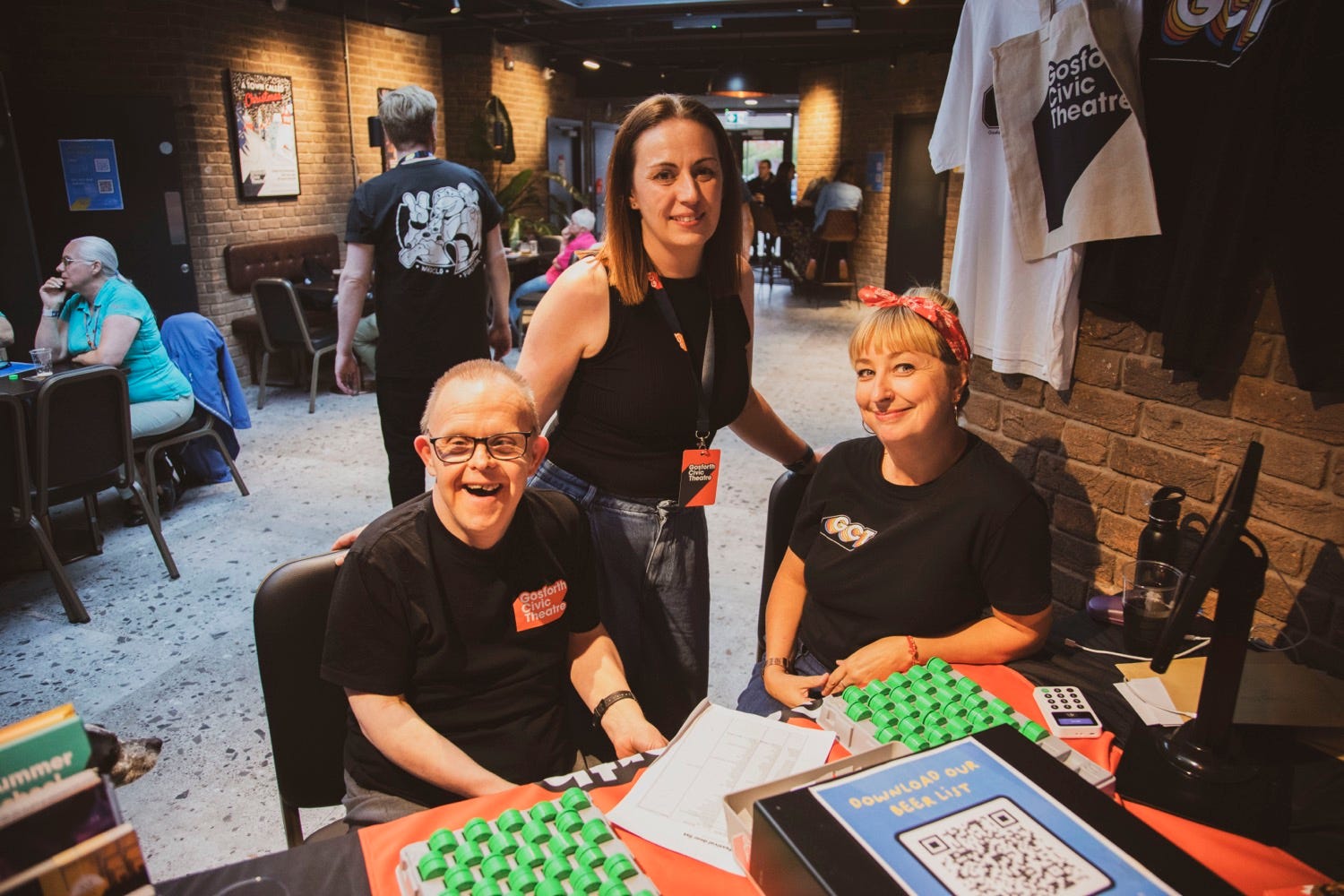
“This was their dream,” says Kelly, who has been involved since the beginning.
“We’ve always had meetings with our guys to say, right, what do we want to do next? What do we want to do more of? And it consistently kept coming up. We want a place of our own.”
Crucially, they didn’t just want somewhere to rehearse. They wanted a building where they could work, welcome other people and create opportunities for the next generation.
When the former civic hall became available through Newcastle City Council’s asset transfer programme, Kelly and chief executive Rob Huggins went to investigate.
Despite its tired interiors, falling ceilings and abundance of green carpet, they immediately saw the possibilities.
And when the company members visited, they did too.
“They immediately came in and were like, ‘oh, the cafe will be there’, and ‘we can do this here and that there’,” Kelly remembers.
After considerable hard work and DIY, Gosforth Civic Theatre welcomed its first audiences in 2016.
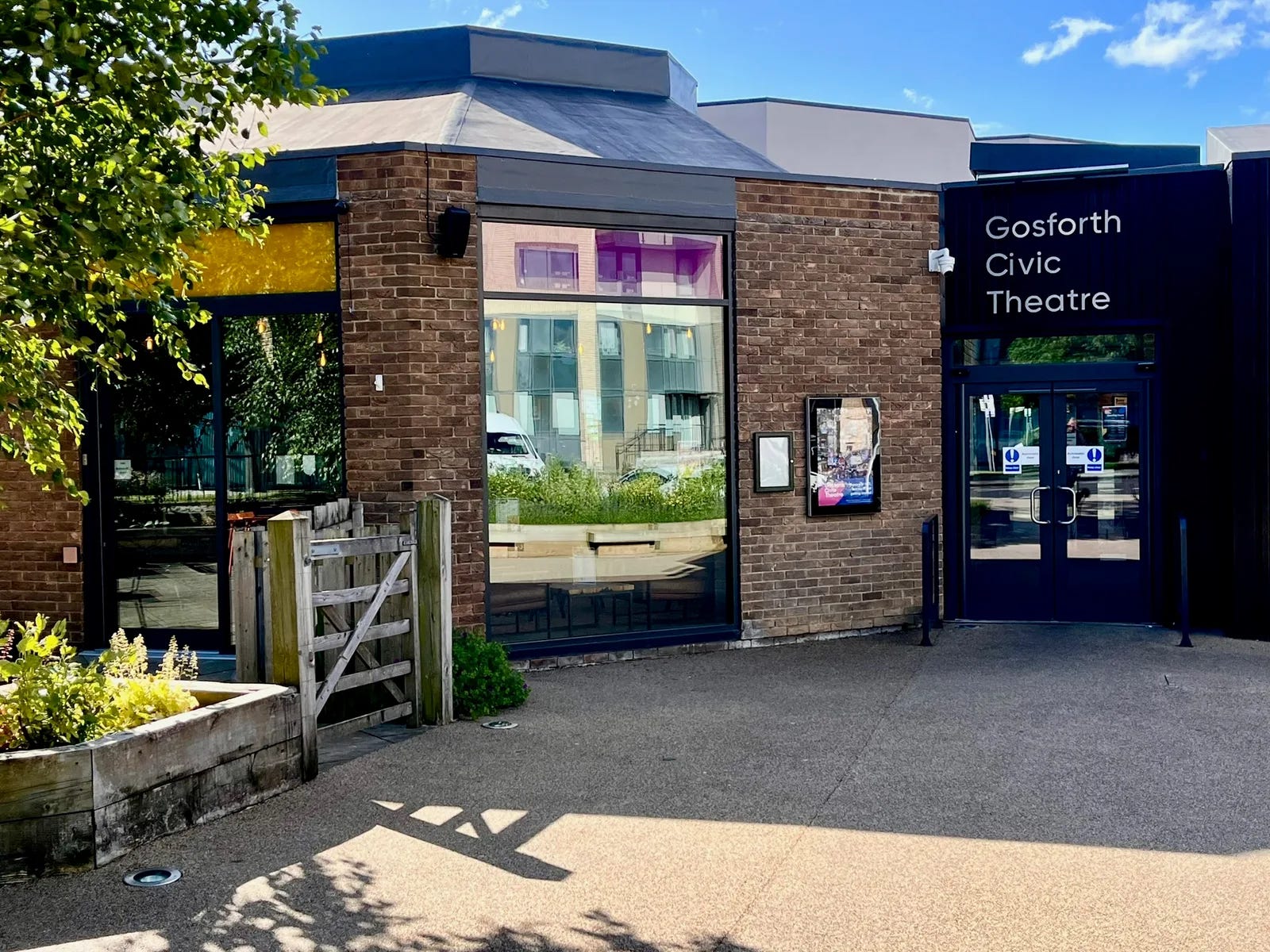
Its first event arrived slightly earlier than planned when a screening of Ken Loach’s The Spirit of ‘45, complete with an appearance by the director, needed a new home.
The team borrowed chairs, enlisted company members to welcome audiences and somehow pulled off a sold-out event.
“We absolutely had no idea what we were doing that first day,” Kelly admits. “But we did it, and it was amazing.”
Ten years later, the theatre is firmly established in Gosforth’s cultural and community life.
Its café is a meeting place for families and friends, its auditorium attracts established performers and touring productions alongside emerging talent, and its rooms accommodate an ever-growing collection of classes, groups and activities.
But the building also provides something less immediately visible: a place where people with learning disabilities can develop skills, build friendships, take responsibility and feel they belong.
“It’s that sense of home. It’s that ownership that they have,” says Kelly. “This is their building, and they are very aware and proud of that.”
There’s an important distinction here. Plenty of arts organisations work to make their programmes accessible to people with learning disabilities. Gosforth Civic Theatre exists because people with learning disabilities wanted to create something for themselves – and for everyone else.
James takes responsibility for watering the plants, carefully checking which ones need attention, while Simon has developed his love of music into a role DJing at theatre celebrations.
Ed, one of Liberdade’s original eight members, still attends three days a week, performs in productions, volunteers in the kitchen and sits on the board of trustees.
Before board meetings, he helps gather feedback from fellow company members, ensuring their views are represented in decisions about the organisation’s future.
“It was always meant to be their organisation, and we’re just the ones that need to enable them to make it happen,” Kelly explains.
The theatre’s café has also become an important training ground, with two dedicated work placement coordinators helping people develop practical skills and, where possible, progress towards employment.
Meanwhile, the creative programme has expanded considerably.
Around 50 people with learning disabilities or autism now participate in regular weekly sessions, with further opportunities provided through outreach work in schools and colleges.
Alongside sport and wellbeing activities, the theatre offers dance and physical theatre programmes for people aged from 16 into their sixties.
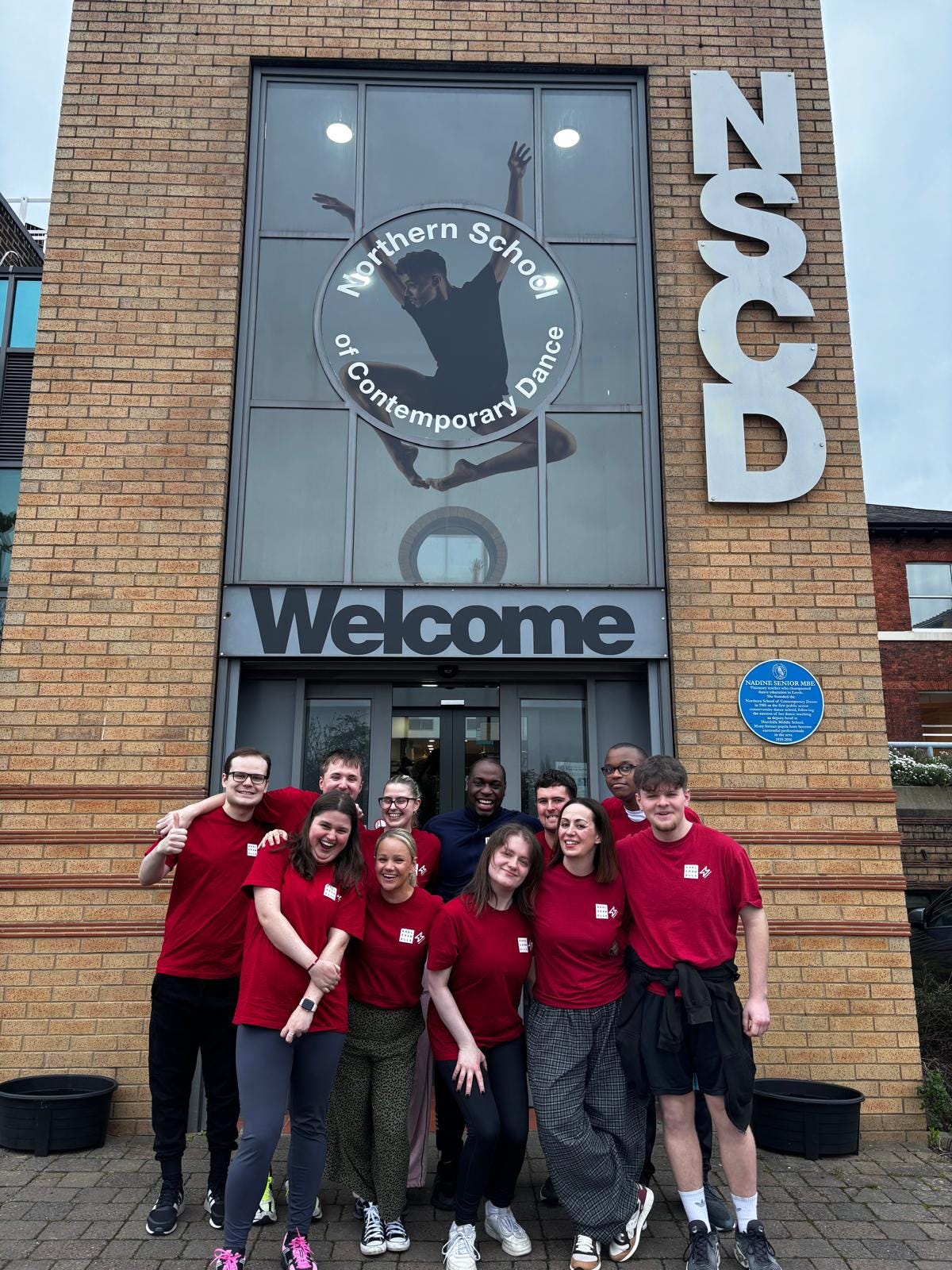
Its youth dancers have performed at prestigious national platforms, including Sadler’s Wells, while former participant Jack Shelton has progressed to the National Youth Dance Company.
The theatre’s performers have also contributed to professional film projects, working alongside established actors and creatives.
Director, Vadim Jean, who enlisted GCT’s help with research, casting and production for a recent project, says the performers brought exceptional talent and professionalism to the table.
“Their joy, professionalism, humour and talent simply shines both on set and now on screen,” he wrote in a letter thanking the organisation.
He also praised the theatre’s staff, whose expertise helped him communicate with and direct the performers - highlighting the value of GCT’s sustained training and support in preparing people with learning disabilities for professional productions.
While its work has earned recognition across the arts sector, GCT has also become an important part of everyday life for many people in the community.Among them is Maxïmo Park frontman and theatre patron Paul Smith, who has experienced the venue from several different perspectives.
He first came through the doors for relaxed baby and parent sessions when his daughter was young, and later performed for families in the auditorium, where he recalls having to discourage a crawling baby from interfering with his guitar pedals.
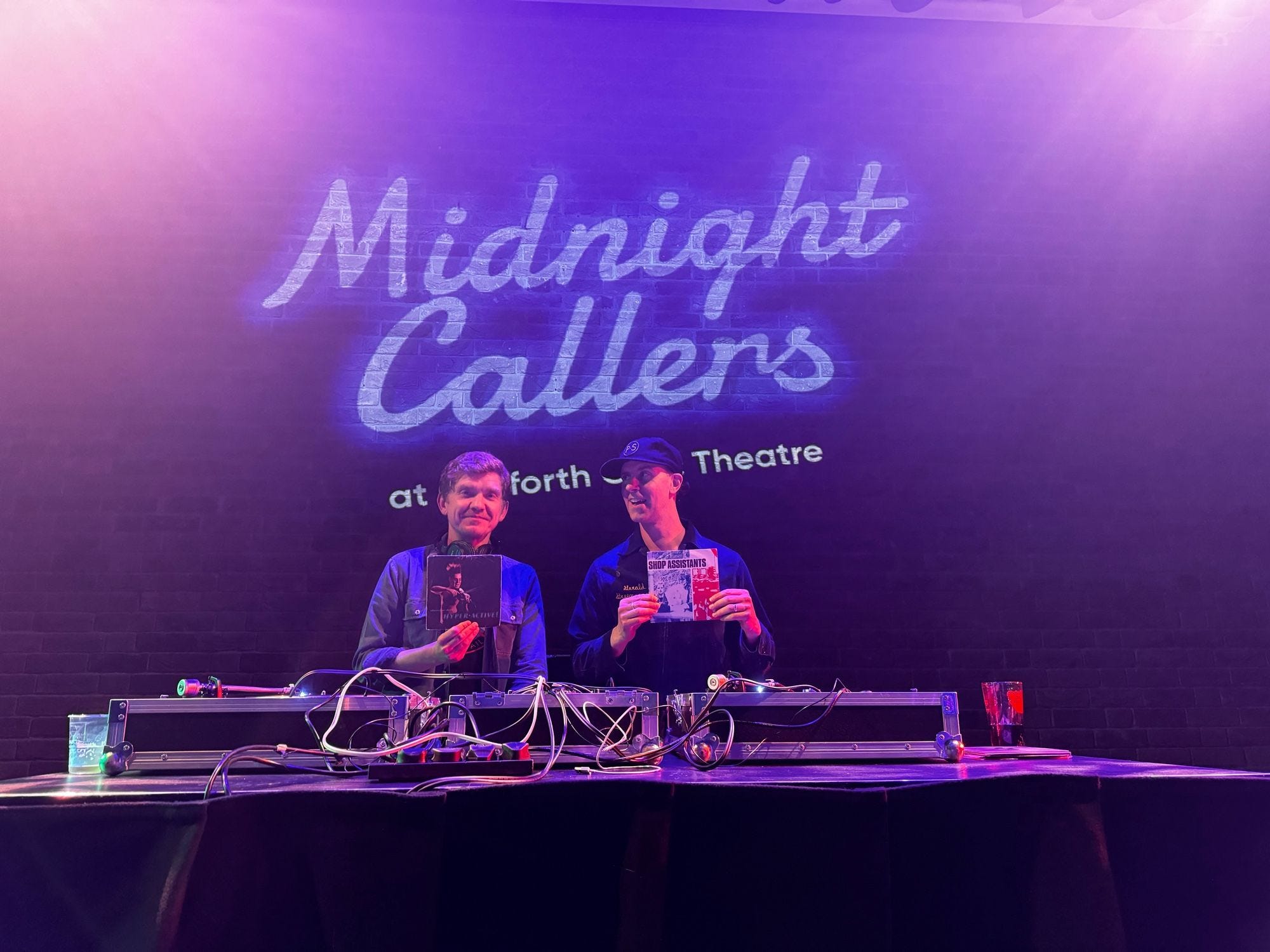
Today, he’s a regular visitor and co-hosts the Midnight Callers alternative disco with Field Music’s Peter Brewis. He’s also enjoyed some memorable gigs as an audience member, including an intimate performance by American Music Club singer Mark Eitzel.
“I always thought it was a welcoming place, and it reminded me of community arts centres that I’d grown up with myself,” he says.
As a musician, Paul believes independent venues like GCT are integral to the region’s cultural life, providing space for performances which might not appeal to mainstream audiences.
But it’s the theatre’s approach to inclusion and community which he particularly values.
“Everyone deserves an opportunity to learn and develop in a positive environment; to be creative and to feel valued.
“Our world feels more and more transactional, but I think society benefits from community and tolerance, so having a supportive business is a counterpoint to that. Obviously, GCT is a charity, but other businesses could learn a lot from their approach.”


As the theatre looks towards its second decade, its ambitions are growing.
Kelly hopes to strengthen relationships with other arts organisations, creating more opportunities for emerging artists to develop their work and progress into larger venues.
There’s also a desire to bring the theatre’s different communities closer together.
This year’s Freedom Moving includes performers from groups which have shared the building for years but have rarely worked together creatively.
There is also the ongoing challenge of securing more sustainable, long-term funding, which would give the theatre greater financial stability and the freedom to plan ahead and develop its work.
For Kelly, though, the ultimate ambition remains remarkably consistent with the wishes of those original Liberdade members.
“Our ultimate goal is always bringing it back to making people with learning disabilities more visible. Showing people what they can do, raising expectations, and changing what people think.”
Ten years after opening, Gosforth Civic Theatre is still doing what its founders set out to achieve: creating opportunities for people with learning disabilities to work, perform, make decisions and contribute to their community.
And perhaps the most telling measure of its success is that so many other people now regard the building as theirs, too.
For more information and to get tickets for Freedom Moving 2026, visit www.gosforthcivictheatre.co.uk
The difference GCT makes
Actor Sally Phillips visited the theatre for a special screening event and Q&A earlier this year and witnessed the relationships and sense of belonging it has created.
“The staff in the café knew the actors’ names, favourite drinks and snacks and even who liked to sit in which seat.”
She also highlighted the shortage of opportunities for people with learning disabilities after education, describing GCT’s work as “priceless”.
Having seen GCT Youth Dance perform at the U.Dance National Festival, One Dance UK’s Laura Nicholson praised the company’s artistic standards and commitment to developing young talent, pointing to Jack Shelton’s progression to the National Youth Dance Company as evidence of what sustained opportunities can achieve
“These young people are not simply being given an opportunity to take part. They are treated seriously as dancers and artists,” she said.
Acclaimed dance-theatre company Thick & Tight worked with GCT’s young performers through Sadler’s Wells’ Making Moves programme and were impressed by both their creativity and the organisation’s approach.
The company’s Daniel Hay-Gordon and El Perry described GCT as a place where people with learning disabilities are respected as collaborators and artists, rather than simply participants.
“The power of putting marginalised people in positions of power within a community, making them the heart of a community, is a revelation and clearly a tool for positive social change.”