


The third ClassicsFest has been announced which is excellent news for creative writers and anyone fascinated by the lives of the ancients – and, indeed, those with a gourmet streak.
Food and Feasting in Antiquity is this year’s tasty theme (domestic life, to widen it just a touch) and the inspiration is a unique cookery book dating from the time of the Roman Empire.
It is called De re coquinaria (The Art of Cooking) and is attributed to Marcus Gavius Apicius, a wealthy merchant from Rome who lived in the 1st Century AD until – so it’s said – committing suicide by poisoning as his fortune dwindled.
The reason for Apicius’ impending poverty is said to have been his fondness for lavish hospitality and his appetite for rare delicacies.
Among adventures documented or alluded to was a voyage to the coast of Libya where he’d heard the shrimps were fat and juicy. When those offered by local fishermen didn’t meet his expectations, he ordered the crew to turn for home without even going ashore.
The recipe book is often referred to simply as the Apicius but experts have suggested it can’t actually have been written by him.
Its Latin text is said to reflect the discourse of the hoi polloi rather than those who moved in exalted circles and, in any case, cooking was the job of slaves. A clincher would seem to be that the book dates from the 4th Century BC.
But whatever the truth, this unique collection of Roman recipes has become inextricably linked with the man who, at the very least, may have enjoyed them and possibly grown plump on them.
And he, Apicius, is the inspiration for this year’s ClassicsFest which was dreamt up by Northumberland theatre director Cinzia Hardy to breathe new life into the Classics.
The venture has been a huge success since its first edition in 2024 with North East writers rising to the challenge of blowing the dust off ancient texts and the winning entries performed as a festival highlight.
This time organisers says: “We seek applicants to submit a treatment for a new script that in some way involves making Apicius’ recipes relevant for a modern audience.
“Our suggested format is a morning TV cookery show (‘Cooking with Apicius’) where a presenter tries to make some of Apicius’ recipes – but applicants may wish to submit their own ideas.
“The winning entry will be developed into a script of no more than 30 minutes in length and with no more than two actors required, which will then be performed as part of ClassicsFest 2026 at Alphabetti Theatre on Friday, May 15 and Saturday, May 16.”
Adding that actual food is not expected to be used on stage, they encourage all applicants to bring as much of their own style to the competition as possible.
The winning writer will receive a £1,500 commission fee and be offered the chance to attend script development sessions with Alphabetti Theatre director Ed Cole and also to sit in on rehearsals.
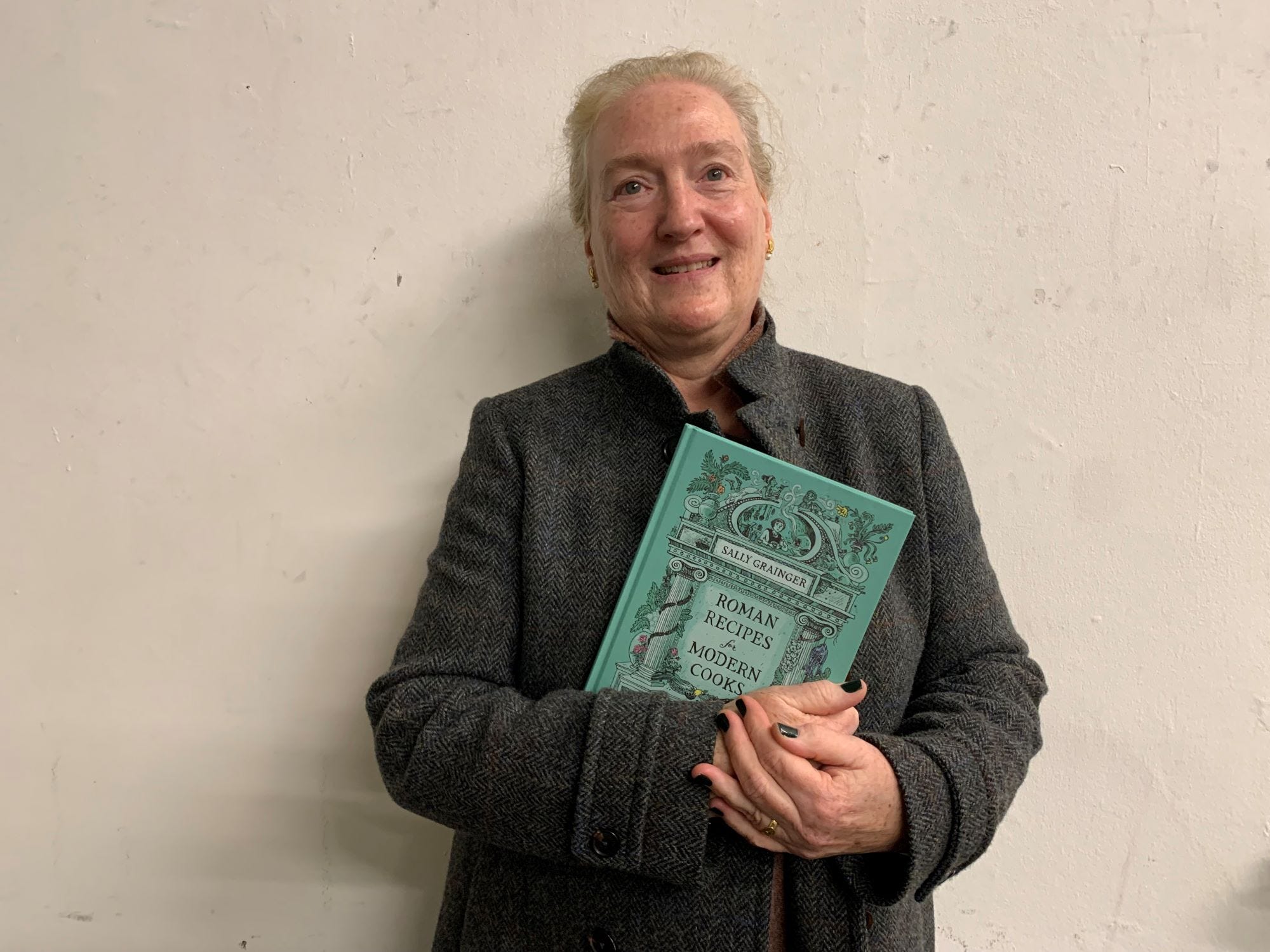
Available to offer advice on historical details will be chef and historian Sally Grainger who in 2006, along with Latin scholar Christopher Grocock (once closely associated with Bede’s World at Jarrow), produced a learned book called simply Apicius (published by Prospect Books).
Promoted as a “critical edition”, it discussed the veracity of the Apicius link with the ancient recipes and their significance.
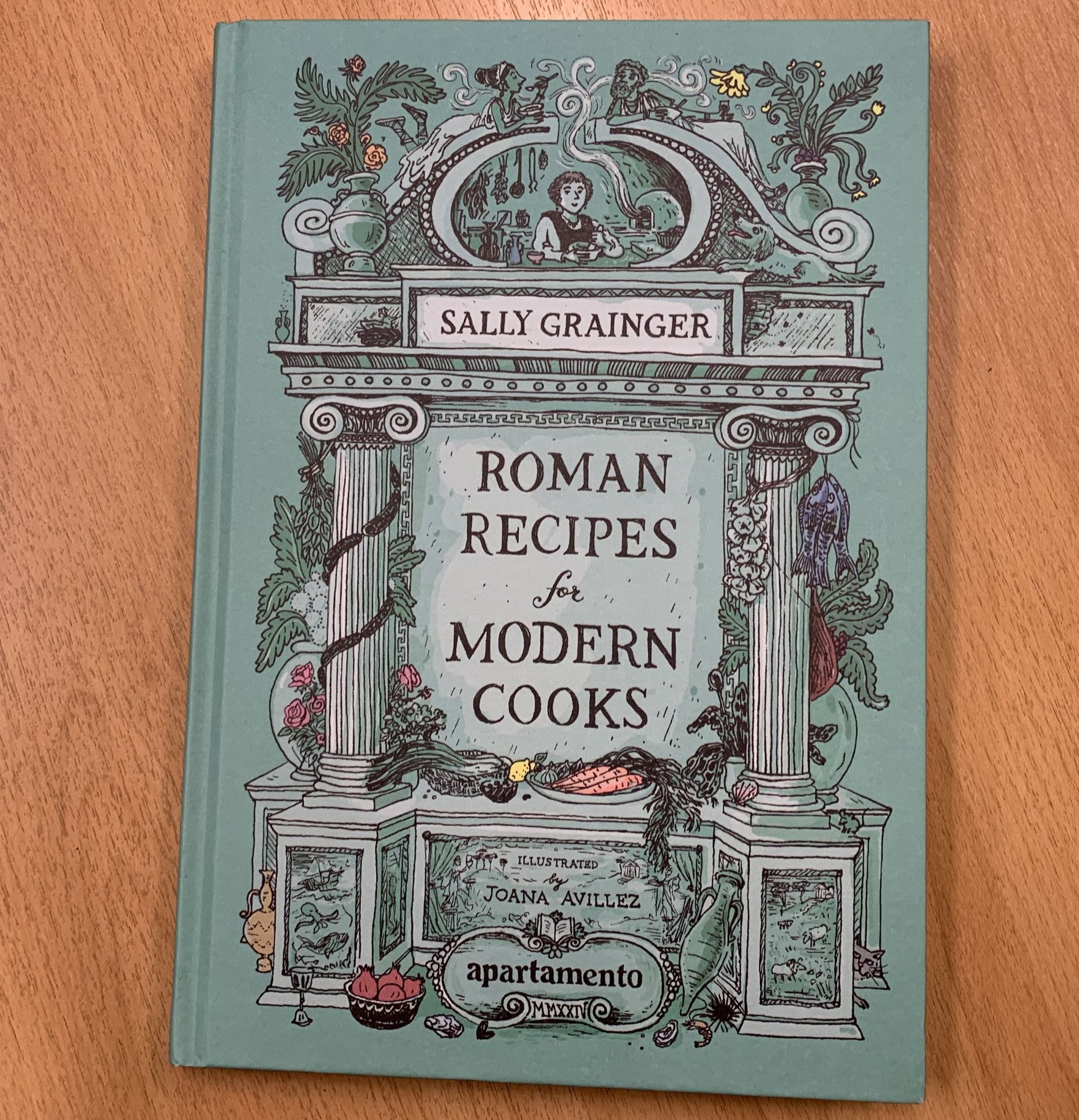
Sally’s subsequent books include Cooking Apicius: Roman Recipes for Today (Prospect Books, 2015) and Roman Recipes for Modern Cooks (Apartamento Publishing, 2024).
Writers must be over 18, work, live or study in the North East and be able to attend two post-show discussions during the festival. Experience of writing for the theatre or even publication isn’t necessary.
All that’s required before the deadline of 6pm on Friday, February 13 is a treatment (maximum two pages) including a short description with references to mood and plot, and maybe some sample dialogue.
Full details of how to enter can be found on the website of the Lit & Phil which is hosting ClassicsFest for the third time in partnership with the School of History, Classics & Archaeology at Newcastle University.