


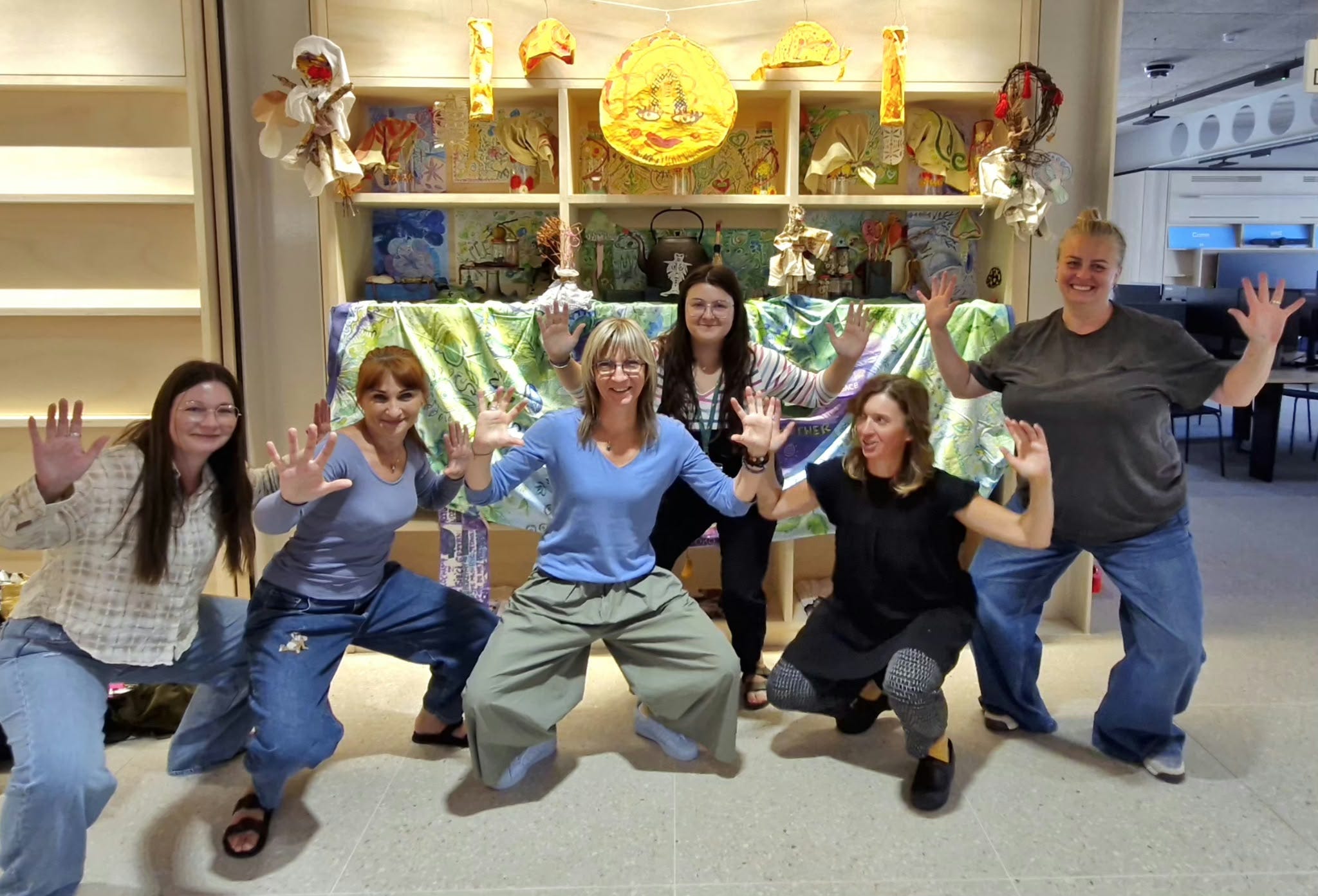
There will be food, conversation and creativity on the menu when a group of Sunderland women invite their neighbours to an autumn feast on Saturday (November 14).
Around 70 people from different backgrounds and generations are expected at St Michael’s Community Centre in Grangetown for the sold out Autumn Mother Table Community Gathering, featuring homemade dishes, artwork and activities designed to get people talking.
But the evening is about much more than sharing a meal. It marks another milestone in a partnership between the International Community Organisation of Sunderland (ICOS) and The Cultural Spring which has helped women explore their heritage, build friendships and take charge of their own creative projects.
Launched in 2014, The Cultural Spring works to encourage more people across Sunderland and South Tyneside to get involved in arts and culture, particularly in communities where participation has traditionally been low. Bringing people together through creative experiences is central to its work.
It’s an ambition shared by ICOS, which supports migrant communities with advice on issues including housing, employment, domestic abuse and hate crime. Its ICOS Women project, established in 2019, was initially aimed at Eastern European women but welcomes everyone, helping women build friendships, confidence and a sense of belonging.
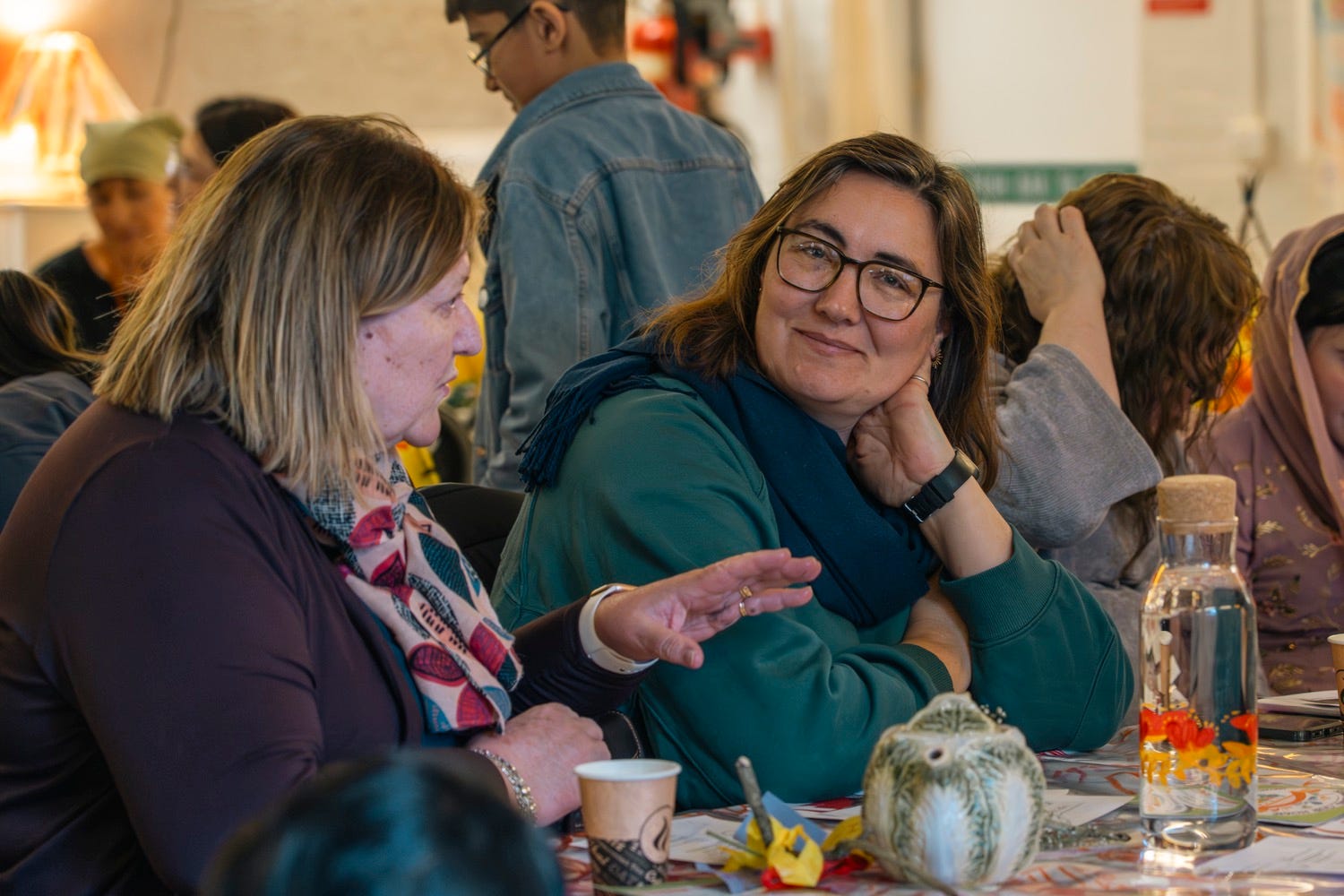
The relationship with The Cultural Spring began around three years ago through its Community Arts Research Programme, which helps groups explore questions important to them alongside professional artists.
“We came up with a research question, and it was to explore Eastern European women’s migrations through Sunderland and how peer-to-peer support networks supported them to overcome barriers,” explains ICOS community development officer Julia Wysocka, who moved from Poland to Washington in 2006, aged nine, without speaking English.
The women selected Polish artist Sabina Sallis, who also has experience of migration, to work with them.
“We started off our sessions in the Just Let Your Soul Grow community garden, where we talked about food, our culture, started making teas from the herbs in the garden,” Julia recalls.
“We basically said that we want our project to be built around food, about that culture aspect, how it brings people together.”
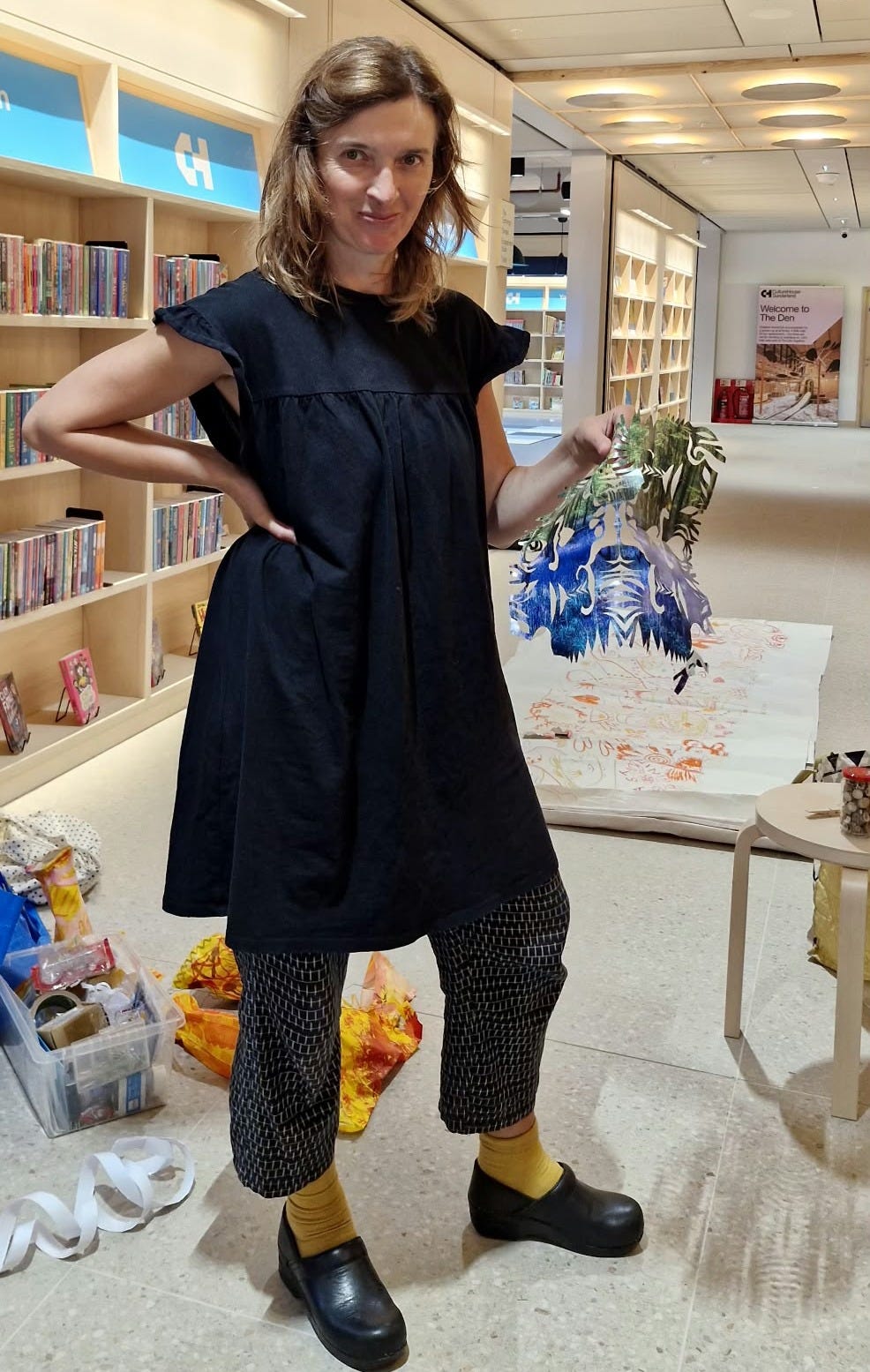
Those conversations grew into creative sessions exploring memories, identity and natural materials, and eventually into public events.
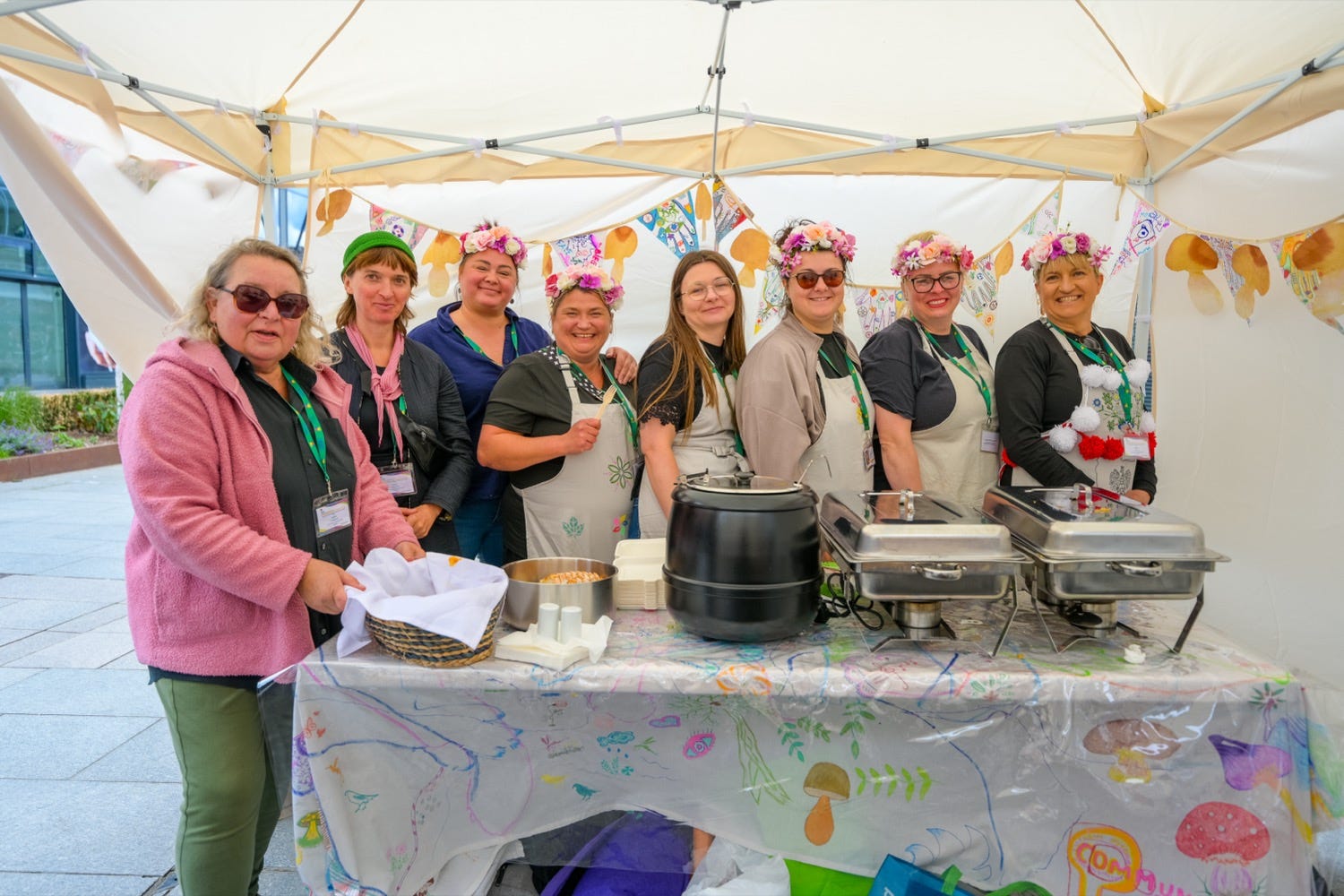
At Sunderland Food and Drink Festival last summer, the women served traditional Polish food, including vegan pierogi, soup and cabbage dishes made with oyster mushrooms grown by environmental organisation Threads in the Ground. An exhibition at the former EXPO Pavilion in Keel Square followed.
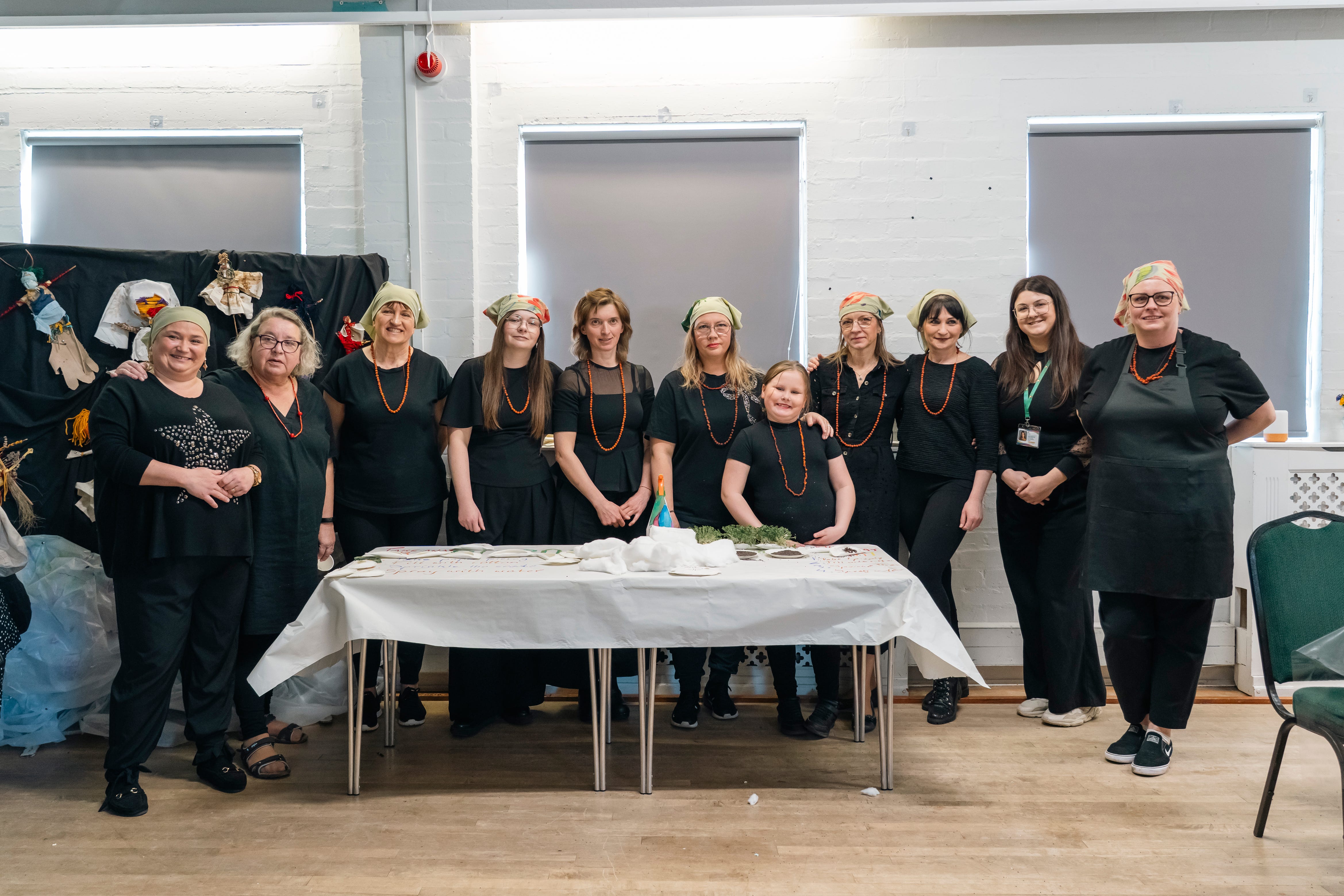
The group also formed the Pieroginie Collective, a name combining pierogi, the Polish dumplings, with boginie, Polish for goddesses. Its manifesto celebrates creativity, solidarity and belonging: “We Pieroginie believe community doesn’t have to look the same for us to feel we belong.”
The friendships formed through the collective have become as important as the artwork. Women of different generations describe finding a supportive space beyond their families and existing friendship groups. As one participant puts it in a case study of the project: “I do not feel old, I feel equal.”
For Emma Biggins, community engagement co-ordinator at The Cultural Spring, the collective’s progress shows the value of giving communities control over their creative ambitions.
After the research project, ICOS joined The Cultural Spring’s A Space to Create programme. The aim, she explains, is not simply to fund activities but to help organisations recognise what creativity can offer their communities, develop the skills to deliver projects themselves and make a stronger case to funders.
The Cultural Spring’s Community Cohesion programme, Sunderland, Our Home, which used storytelling and creativity to bring people together, was another natural fit. The women’s community feasts put those aims into practice, creating opportunities for people from different backgrounds to share food, experiences and traditions.
There is a serious purpose behind the celebrations. Some ICOS members have experienced anti-Polish sentiment and recognise similar hostility towards other migrant communities.
“They’re very passionate about how do we actually bring communities together to help us understand each other better,” says Emma. “That aim underpins so much of what is being done.”
In March, ICOS joined the Friends of the Drop-In women’s group, which supports refugees and asylum seekers, for a multicultural feast in Grangetown. Around 70 people shared food, artwork and stories.
The success encouraged ICOS to apply independently to the Community Foundation’s Belong Fund. It secured support for a series of seasonal feasts, starting with Saturday’s gathering – funding which did not come from The Cultural Spring.
For Emma, this independence is precisely the point of A Space to Create.
“They’ve grasped these opportunities and made the most out of them,” she says. “They’ve got the skills of fundraising and then they go and say, right, okay, we’ve tested that out, we know it works, we now have the confidence to go and put this forward.”
The women have been preparing autumn decorations using leaves and conkers, alongside a vegetarian and vegan menu inspired by different food traditions. The gatherings will also feature creative activities and conversation prompts.
“We want to engage with people from all different backgrounds, all different ages, to feel welcomed in a space together, and try different foods, take part in different creative activities,” says Julia.
Meanwhile, the collective’s work has found a home at Sunderland’s recently opened Culture House.
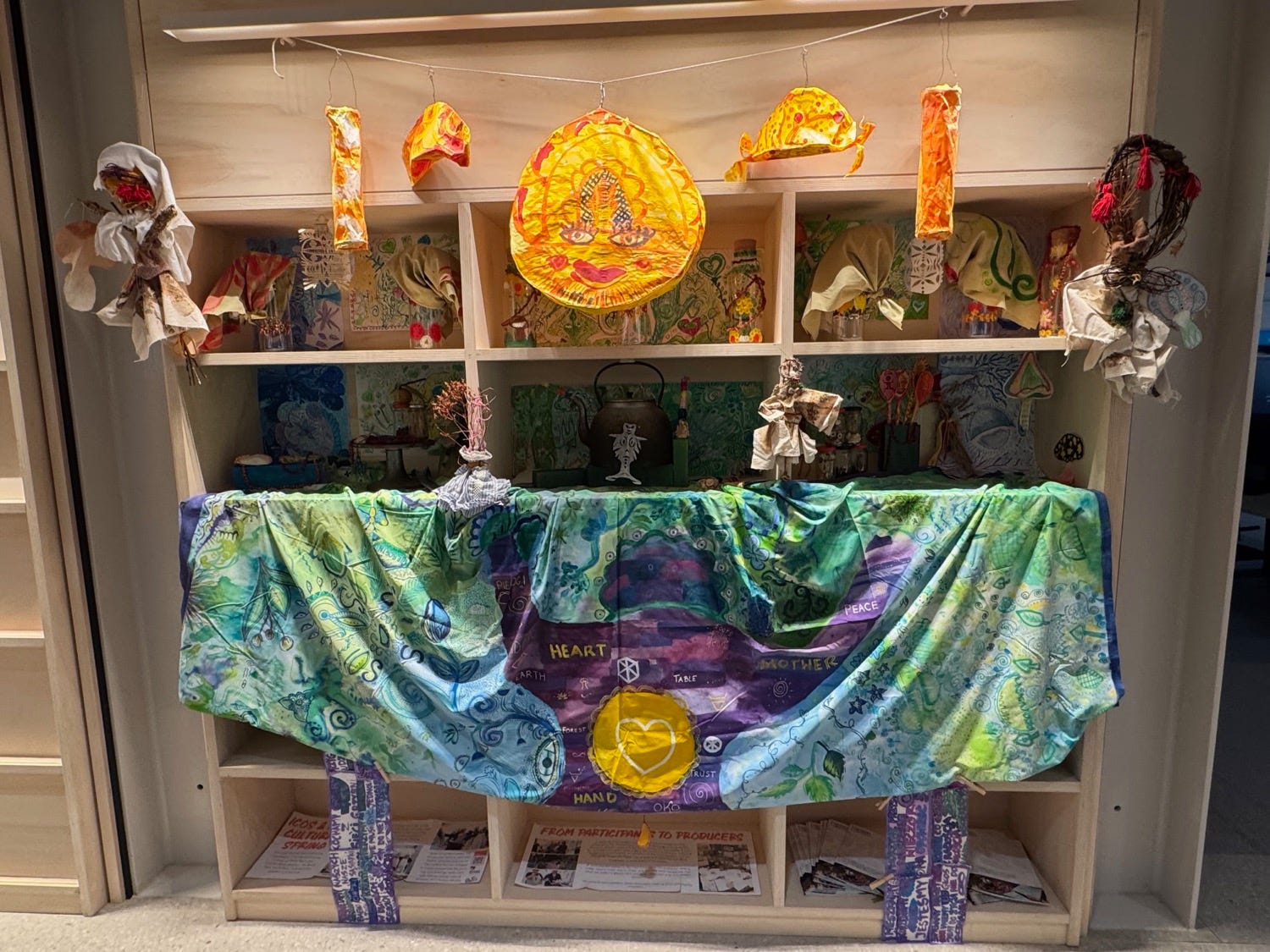
As part of The Cultural Spring’s exhibition reflecting on Sunderland, Our Home, the women have curated Mother Table, a display featuring a decorated tablecloth made during A Space to Create, painted glass carafes, wooden spoons, head coverings and other artwork made during the community cohesion project.
“We didn’t want to just put things on the shelf and have it displayed,” Julia explains. “We wanted to design it in a way so that it matches our theme.”
The installation evokes a table where people gather, share memories and pass traditions between generations. It also inspired the name of the seasonal feasts.
Emma says: “We really wanted [ICOS] to have that community ownership and voice in the exhibition.” The Cultural Spring also supported Sabina to help the women develop and install the display.
The value of bringing women together in this way is reflected in an independent evaluation of ICOS Women, published in March of this year.
It found that more than 191 women from 31 countries, speaking 23 languages, had engaged with the project. Of those surveyed, 86.5% reported making new friends, and the service received an overall rating of 9.6 out of 10.
Julia and Sabina now hope to develop a recipe book recording the food and stories behind the gatherings, while future feasts could involve other community groups in cooking, workshops and performances.
“We do want the feast to be a whole kind of creative experience, not just a community feast,” says Julia.
For more information on ICOS, visit icos.org.uk. To find out more about The Cultural Spring, visit www.theculturalspring.org