


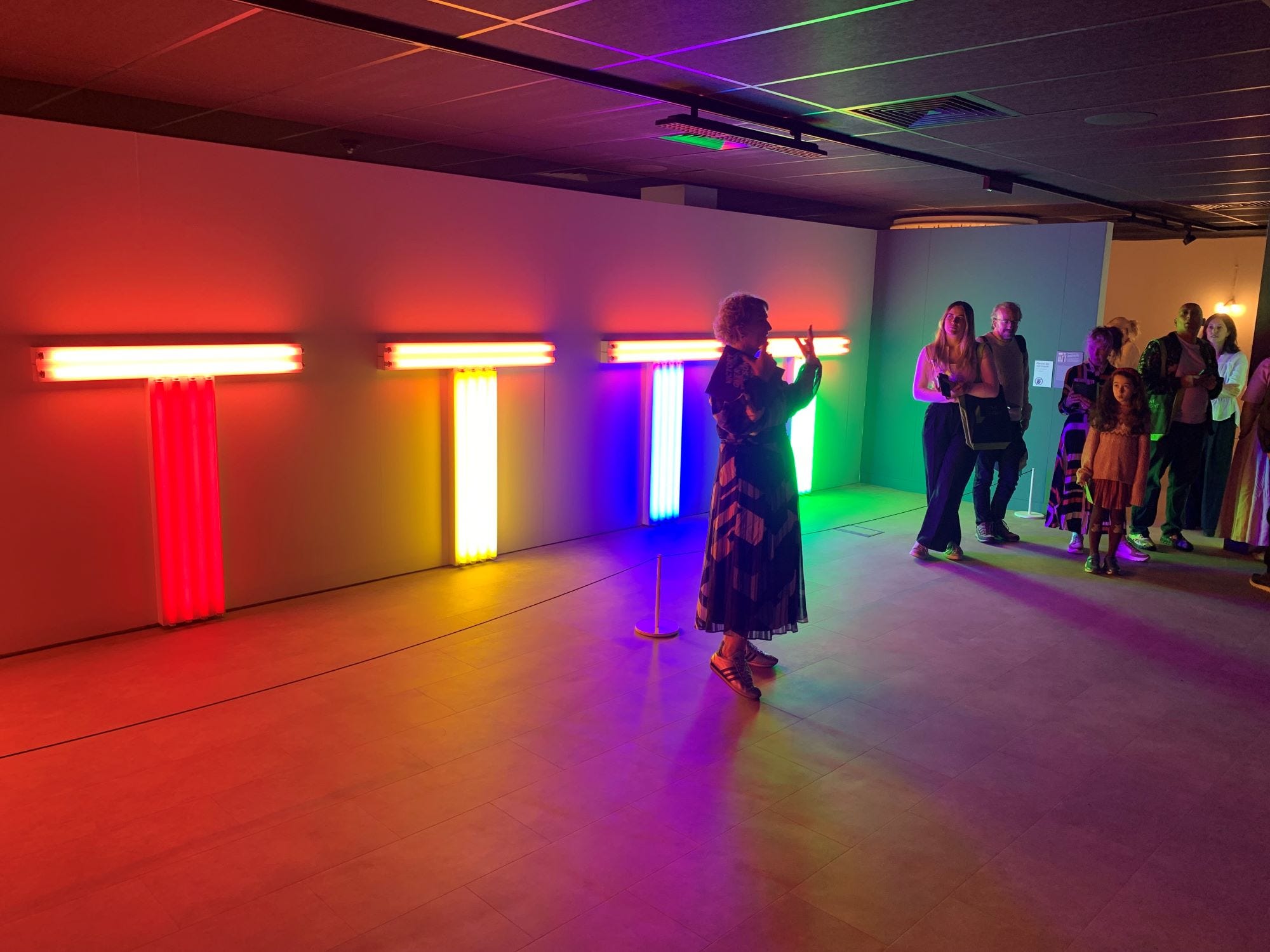
I have seen The Light… and was impressed. Durham’s new DLI museum and art gallery, at first viewing, oozes quality in terms of the building itself and what’s currently showing there.
At the media preview I seemed to be one of the few present with memories of the original, 1960s vintage DLI Museum & Art Gallery which closed a decade ago.
It was a funny old place in many respects but they’re fond memories.
I visited many times, attending the occasional DLI talk but regularly edging my way past a piece of field artillery to interview an artist in the gallery upstairs.
Happy chats I used to have there with the likes of Nerys Johnson, one-time keeper of art, and Sheila Mackie who painted wildlife and Anglo Saxon relics and was fond of pigs.
The old name and the very idea will have seemed incongruous to some first-time visitors, art and regimental history displayed under one roof.
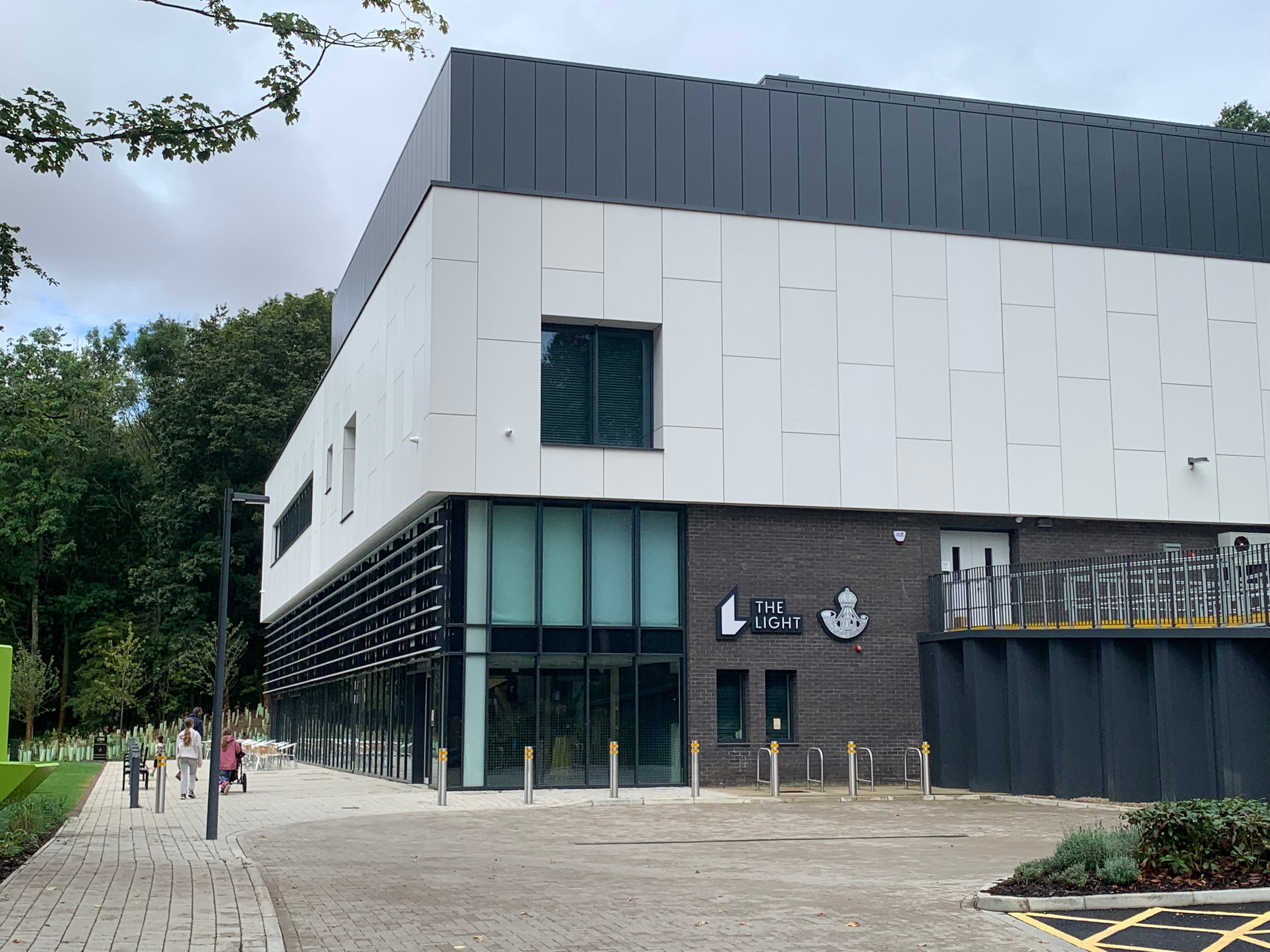
That’s still the case now but the new, more abstract name is clever in that it works on different levels. The Durham Light Infantry is the revered local regiment; art is meant to be enlightening (the opening show of light-based art makes this literally so).
Making the climb from the station on Thursday, I approached via Beacon Hill, ascending through trees to see the beacon (installed to mark the former Queen’s platinum jubilee) and getting an excellent view of the cathedral.
Passing a beacon on my way to The Light… already it was making sense.
The new building occupies the same site as the old but there’s rather more of it. It’s twice as big, according to artistic director Tony Guillan, and therefore with much more exhibition space.
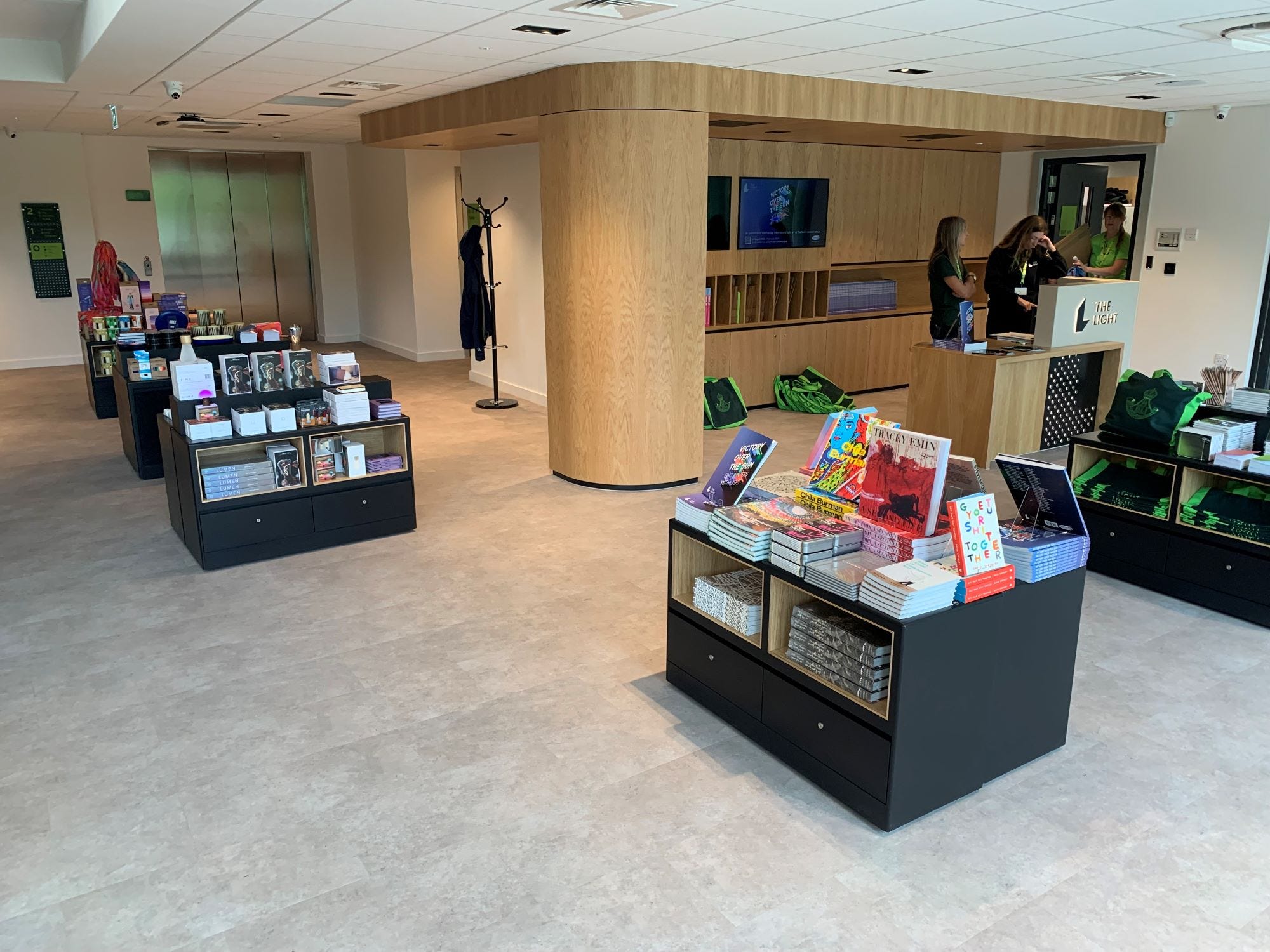
He addressed us in the ground floor café which, like the adjacent shop, is bathed in natural light.
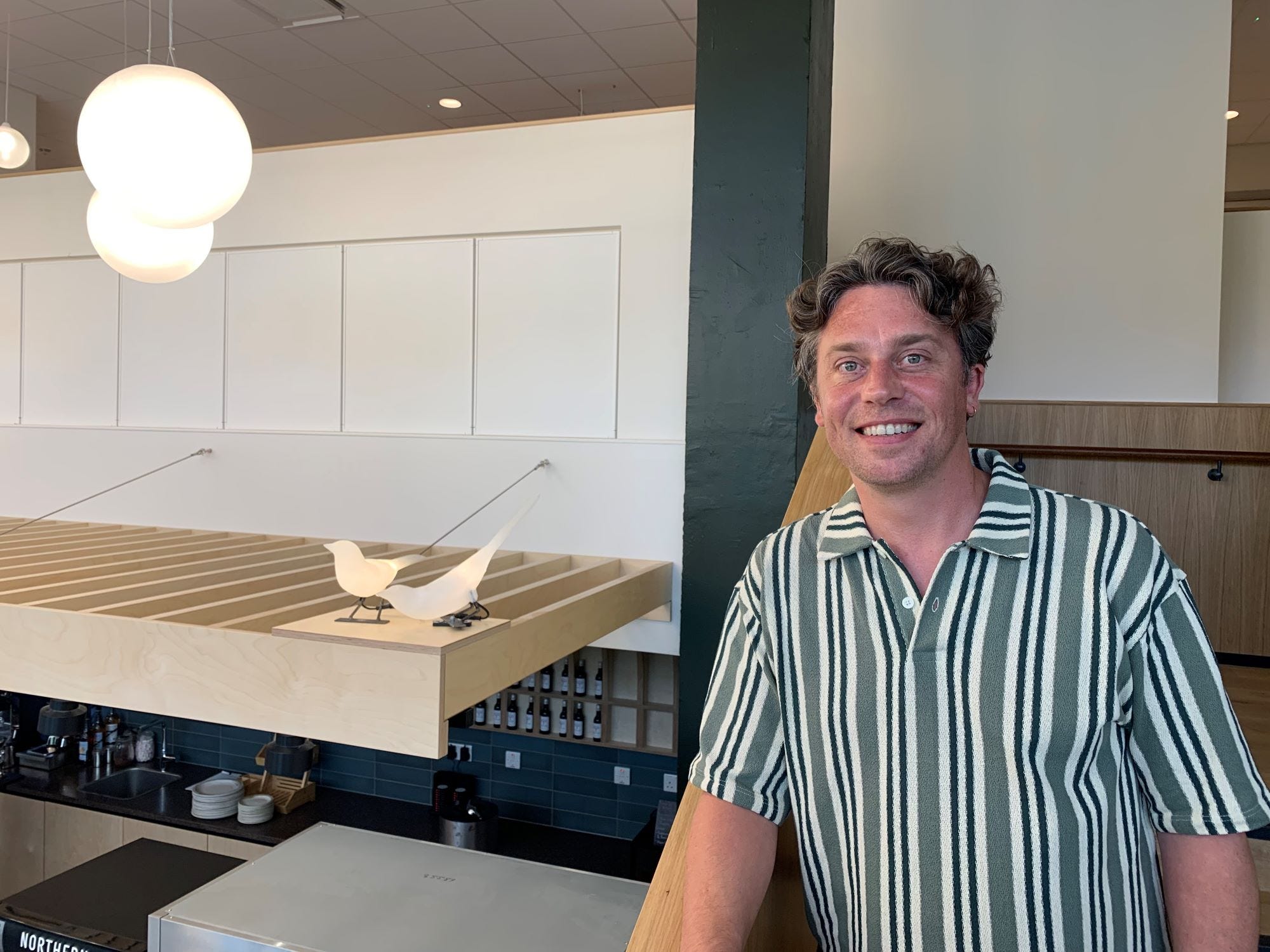
“What I love,” he said of The Light, “is that it doesn’t erase the building’s history but builds on it.
“The intention was a transformative building rooted in history but designed for the future.”
He spoke of a continuing commitment to local history but with new scope to mount exhibitions of national and international significance.
And all this allied to ambitious learning programmes.
A late night After Dark strand on the first Friday of every month, offering art, music and drinks, will launch on October 2, curated on that first occasion by Tine Bech who created a colourful new artwork for the exhibition upstairs.
A new weekly Thursday evening programme (5-8pm, starting on September 3) called At The Light promises “talks, workshops, live music, book discussions and creative gatherings”.
With much greenery outside, it’s an attractive destination and footfall should increase when the Durham Innovation District takes shape nearby on the site of the soon-to-be-demolished County Hall.
There’s no charge to enter the building, with its café and shop; nor is there to visit the new-look DLI exhibition upstairs, for which, when you think about it, many people have given their lives.
The general lighting in We Are the Durhams is suitably subdued, conducive to a mood of inquiry and reflection, but the exhibits are well illuminated.
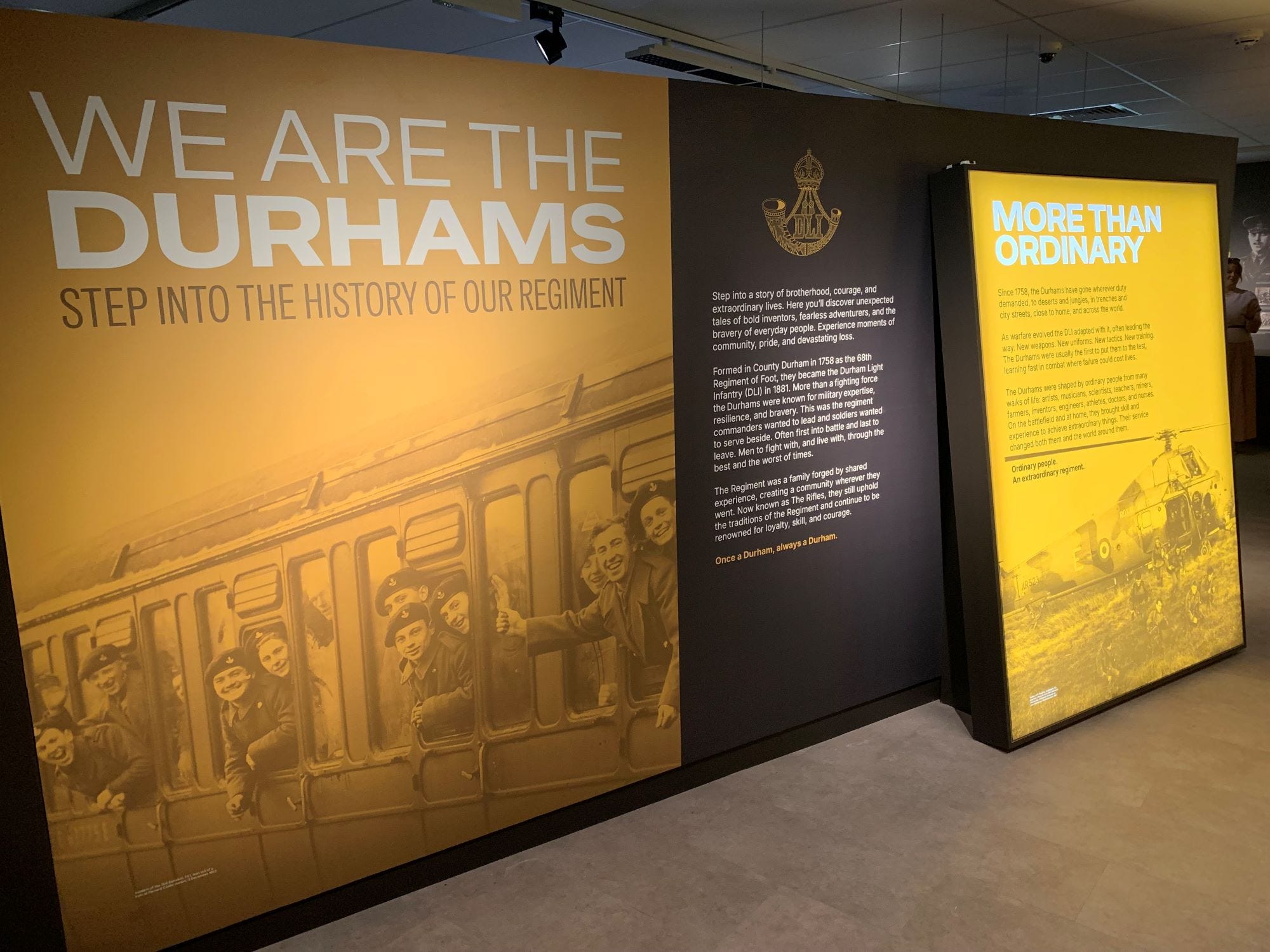
There are photos big enough that you can almost imagine yourself there, back in time, and the storytelling is clear and concise.
Military life is reflected in its various facets, in sporting and recreational achievements (a horse-riding officer’s cap and boots) as well as battlefield action – and the role of women is not overlooked.
The DLI Association and the DLI Friends, we were told, had been “heavily involved” in the exhibition which has various ‘hands on’ attractions to engage young visitors.
Inevitably, there are hugely moving stories and exhibits.
A centrepiece is the High Wood Cross, commemorating a bloody episode during the Battle of the Somme when the Durhams paid a heavy price.
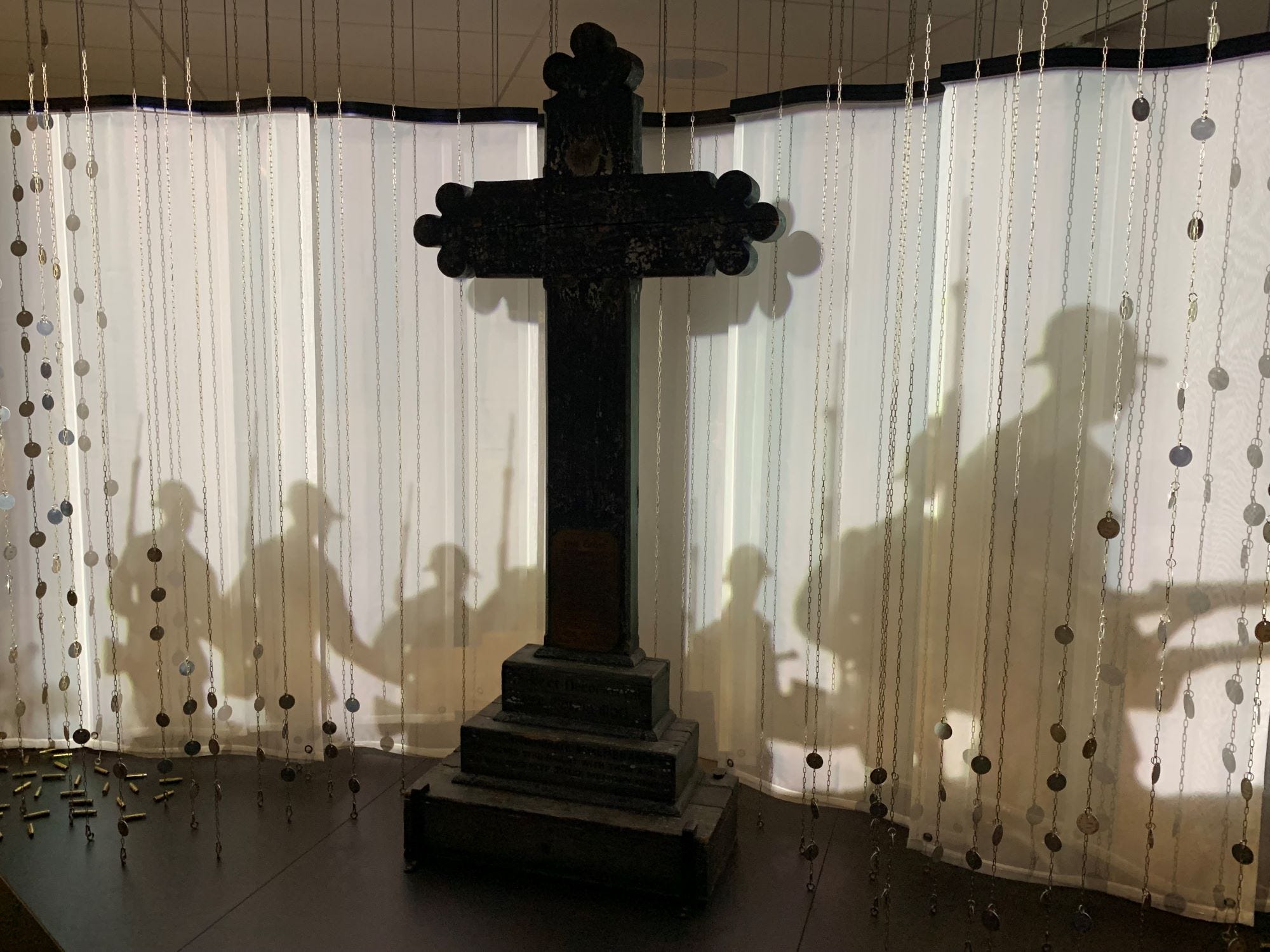
Erected during the battle and brought back to Durham after the war, the cross is displayed here against flickering footage of advancing First World War infantry.
“Take a moment,” urges the text. “Reflect on what this cross represents, not just a battle, but the shared human experience of conflict, its bravery, its cost and its lasting impact.”
The last point is well illustrated by the story of Private Thomas Willcock (born: 1897) who lost an eye when fighting with the DLI and returned home with a glass one – which, it is said, he sometimes took out in the pub while jokingly instructing it to “watch me pint”.
When he died in 1956, his granddaughter pinched it from the open coffin and kept it in a special little box.
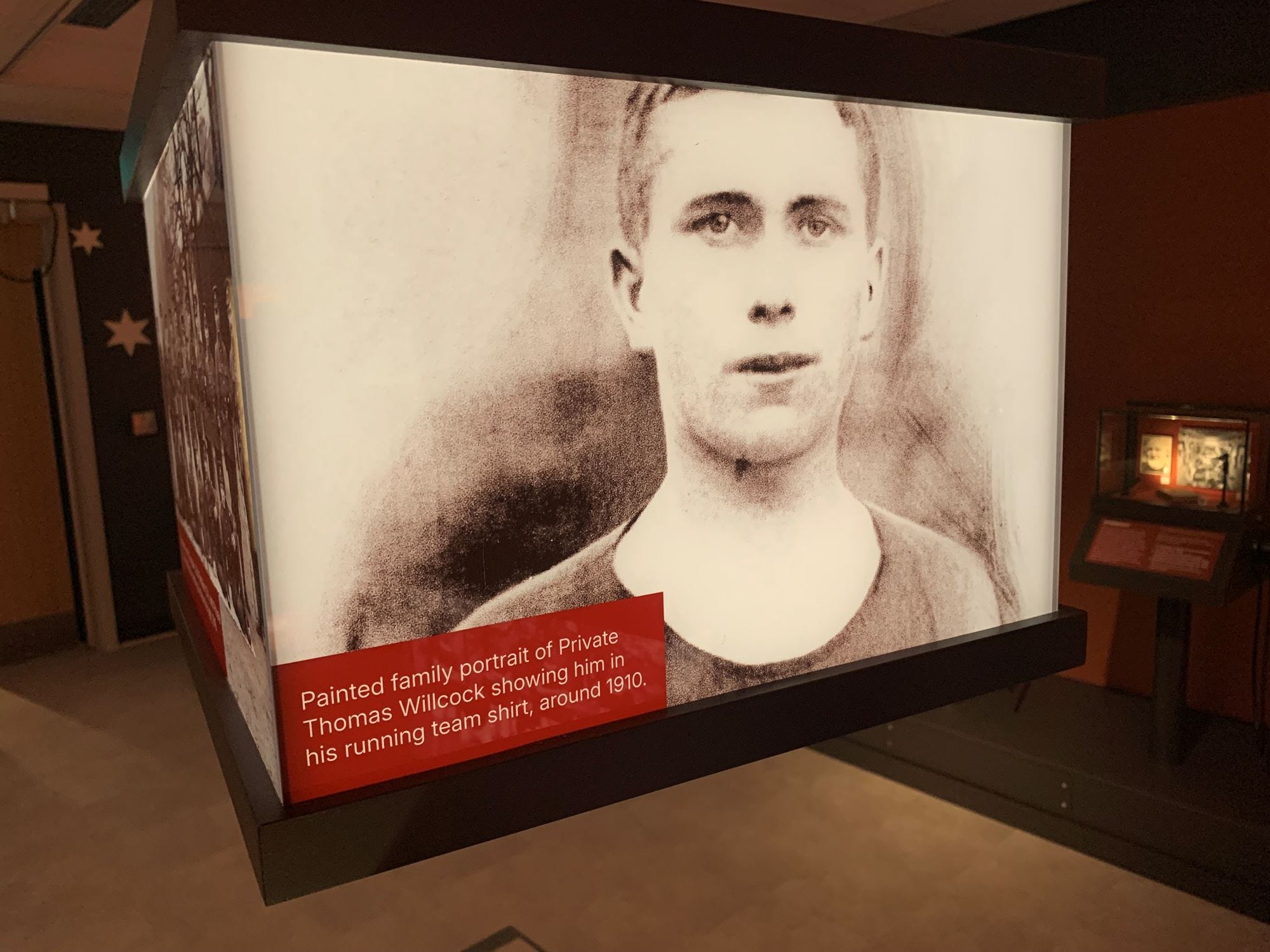
In subsequent years, on Remembrance Sunday, she would hold it in her hand, and here it is now, unblinking beside the silver war badge given to the young soldier on his honourable discharge in 1917.
Upstairs is the attraction for which visitors must buy a ticket, the exhibition Victory Over the Sun: Encounters with Light.
It will be interesting to see the pulling power of contemporary art in the city but this is an exhibition with both superficial and deep appeal, at once beautiful and thought-provoking.
Tony Guillan said: “What really excites me is the breadth of voices represented – international artists and household names (take a bow, Tracey Emin) and artists from this area and under-represented backgrounds.
“For me, they’re asking us to reflect on our place in the world and to look at familiar things in new ways.”
Freelance curator Natasha Howes, Manchester-based but with experience in the field of light-based art, explains in the catalogue that the exhibition’s title was inspired by a Russian avant-garde opera from 1913.
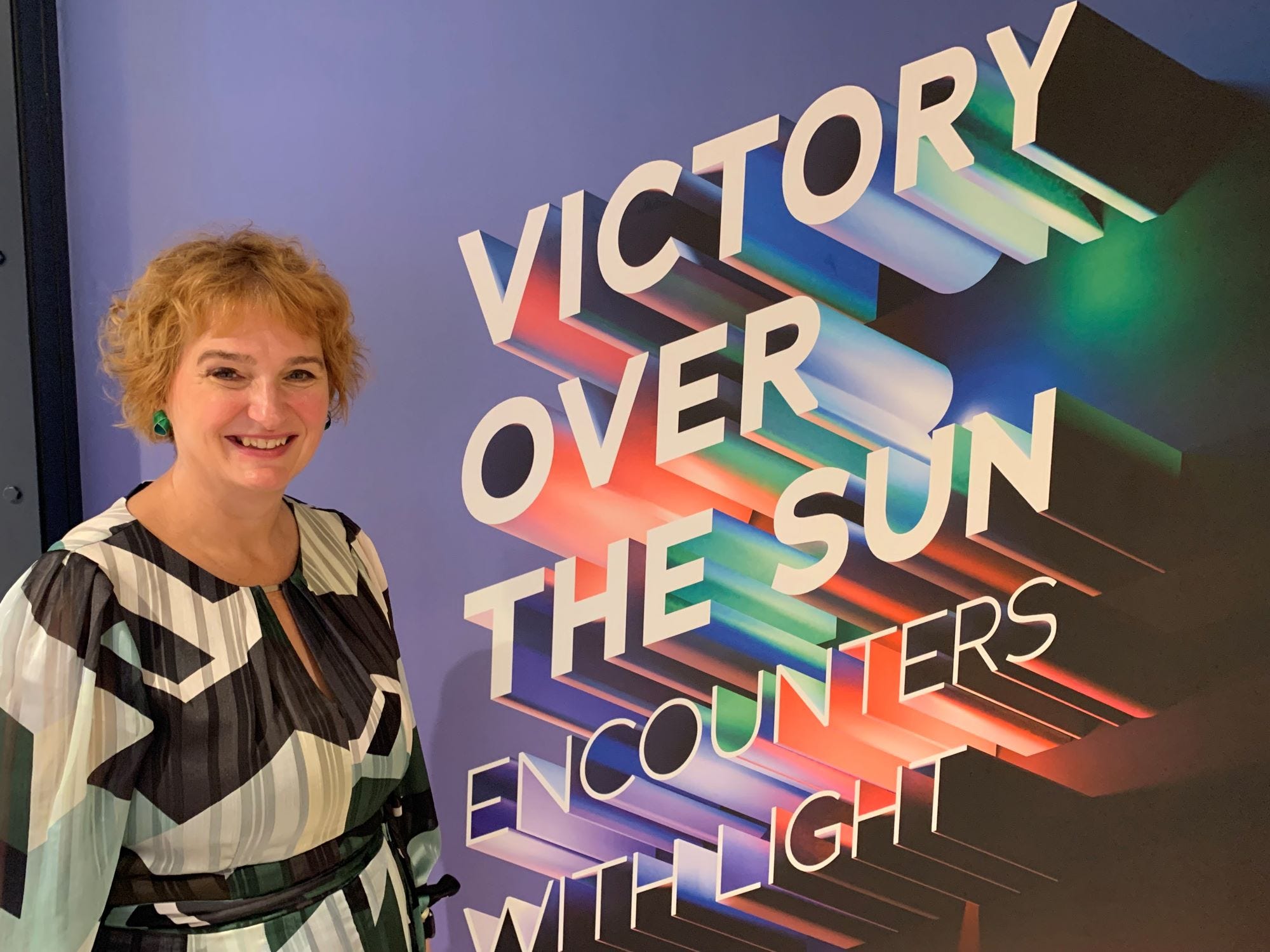
It’s something to do with the victory of artificial over natural light and it’s true that there’s none of the latter here to spoil the effect.
Showing us round, Natasha alerted us to the difficulties inherent in displaying art like this. It could have looked like a funfair or a holiday bazaar, colours overlapping in a clashing clamour for attention with each exhibit diminished by its neighbour.
Instead there are nooks and crannies, as well as adjoining rooms, and it’s cleverly done in such a way as to show the versatility of the medium – although there is a fair amount of neon text.
The link between art and science, and the aptness of an exhibition in this place, is made at the start. Pride of place is given not to an artwork but to a replica of Joseph Swan’s pioneering light bulb of 1878-9.
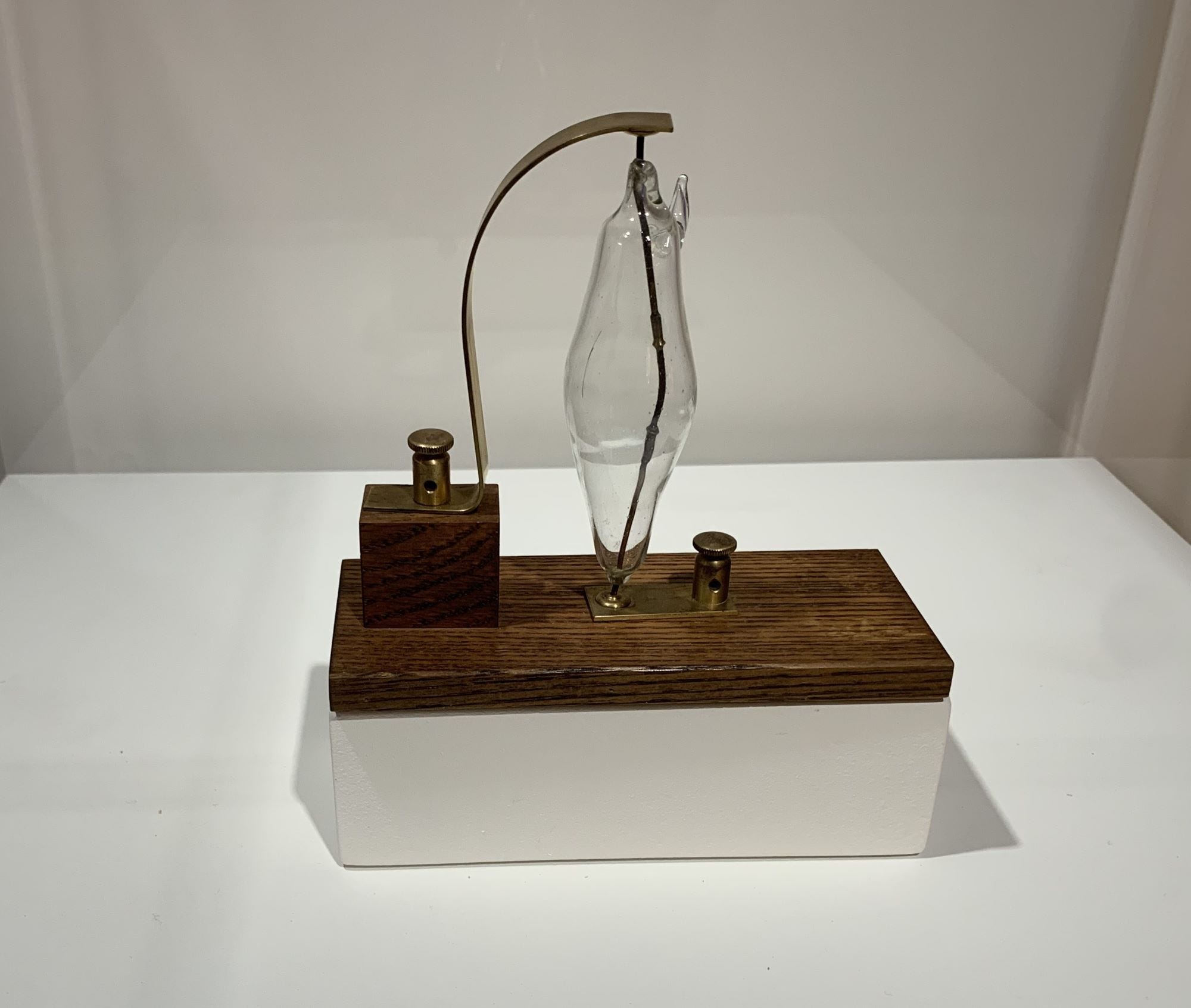
Without it none of the rest would have been possible, not even Shadey Family, Stuart Haygarth’s overhead assemblage of 62 vintage glass lampshades which prompted one visiting hack to mumble something about British Home Stores.
The seductive appeal of many of the exhibits is matched by the ingenuity involved in making them.
Scottish artist Katie Paterson worked with scientists to create an incandescent bulb to replicate the light of the moon.
Her work Light bulb to Simulate Moonlight comprises 289 of them and since each would burn for 2,000 hours, this lot would last for 66 years, equal to the average human life expectancy in 2008, when it was made.
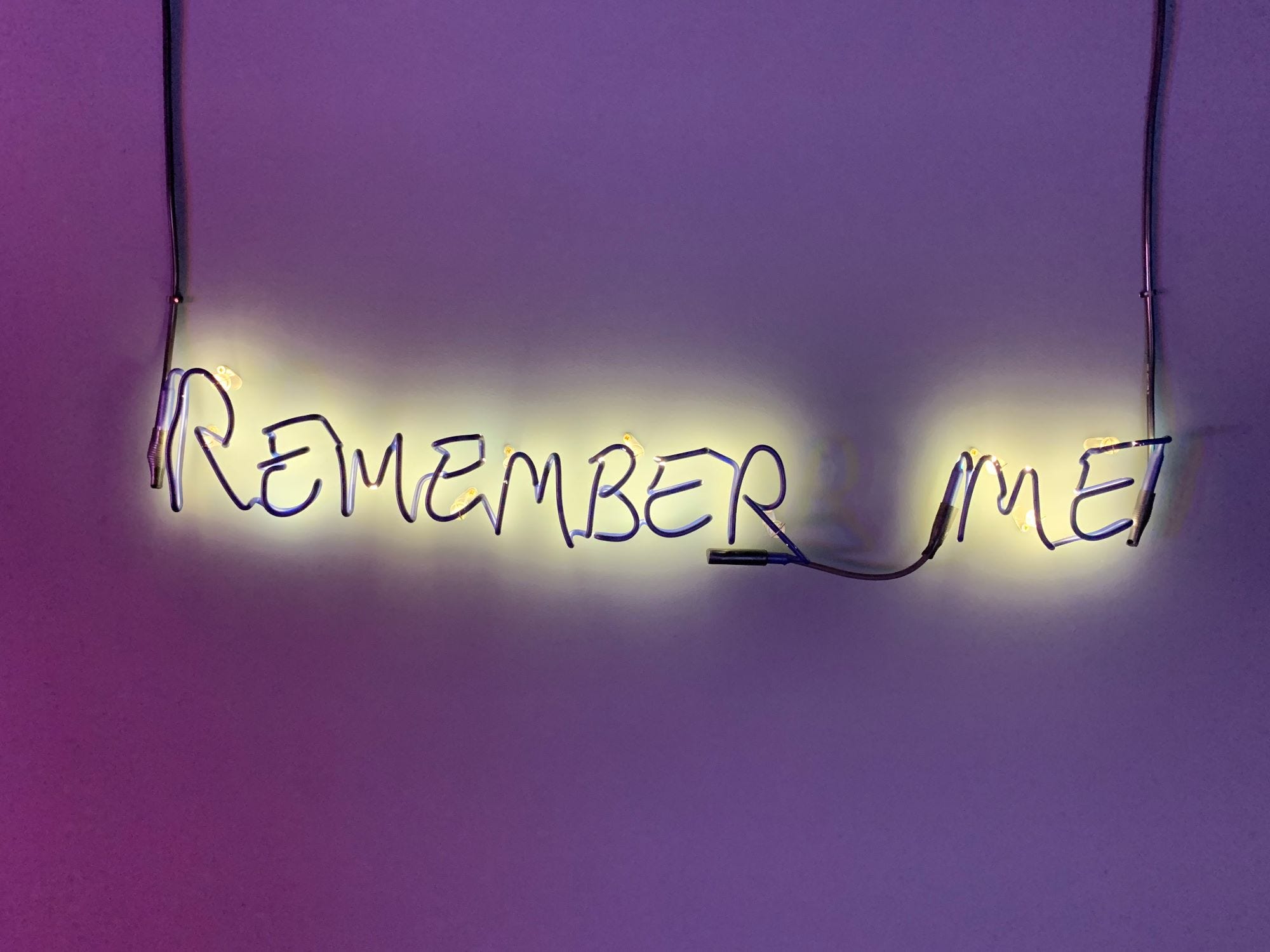
Natasha pointed out Steve McQueen’s neon work Remember Me (56), which says precisely that.
“I think that piece is particularly poignant here in its relation to the DLI collection and the idea of remembrance,” she said.
In the lofty central gallery hangs a dramatic piece by Icelandic artist Olafur Eliasson called Stardust particle. Representing the magnified particle of an exploding star, it throws dancing geometric shapes around the walls.
Not far away is Chila Burman’s Hanging Monkey which is indeed a hanging monkey but in vivid flexible neon.
It’s one in a series of animal-inspired artworks by Burman, who grew up in Liverpool and exhibited in Durham in 2023 as part of Lumiere.
She was taken regularly to see the Blackpool Illuminations as a child. Well I never!
“I think that’s going to be a firm favourite with children,” said Natasha.
So, I think, might David Shrigley’s Light Switch video installation, showing a hand moving towards a light switch as if irresistibly drawn. And the animation does indeed reflect Shrigley’s distinctive, child-like drawing style.
Many of these works are deceptively simple… but some are not.
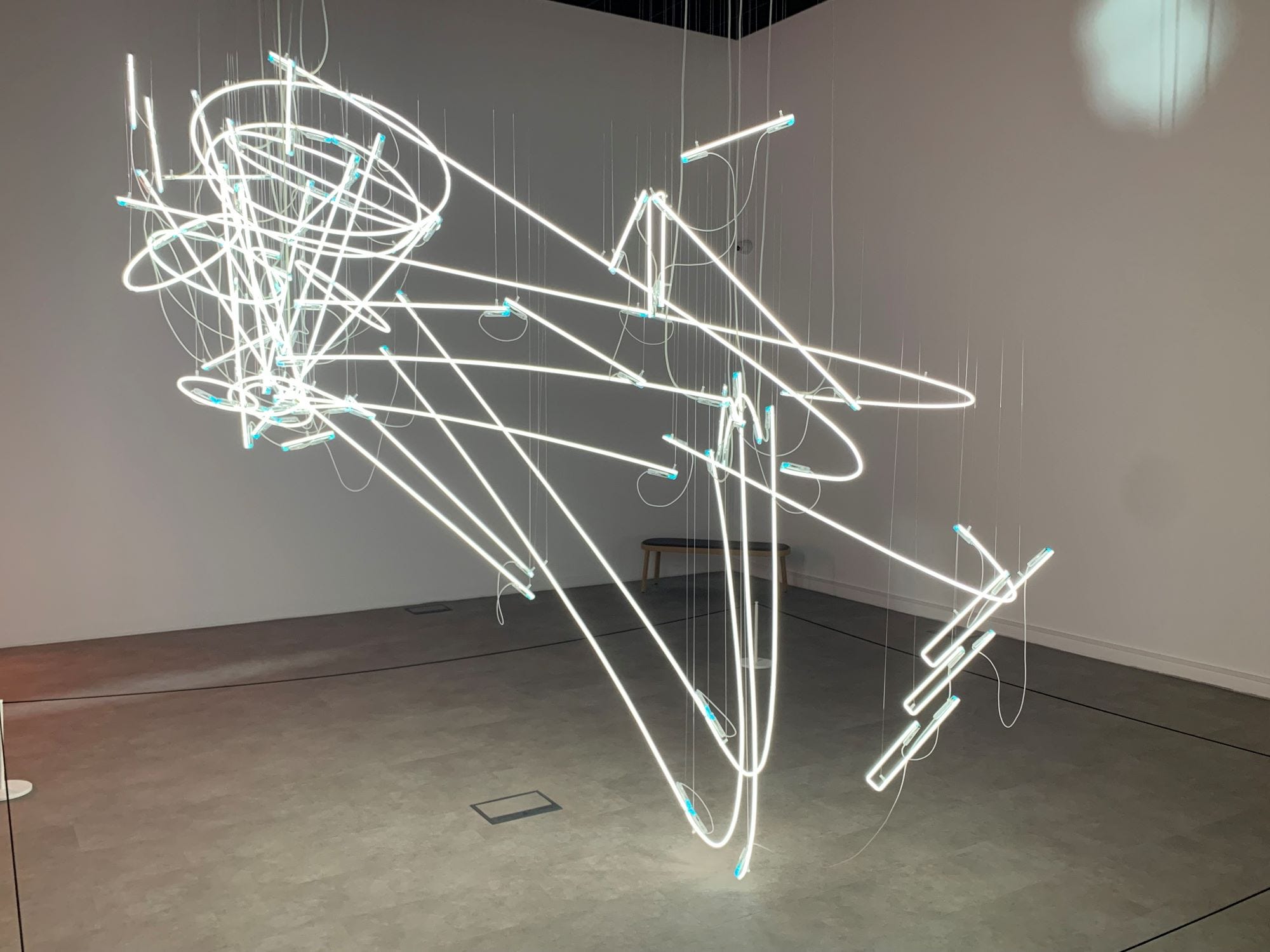
Close to Tracey Emin’s textual neon work, which speaks for itself, is a complex neon confection by Cerith Wyn Evans which required an expert team from Austria to come and project a digital 3D map into the space to ensure it would hang correctly.
Neon Forms (After Noh II), it’s called, because it was inspired by Japanese Noh theatre.
There are many more pieces, many more stories. Victory Over the Sun: Encounters with Light runs until January 17.
And what then?
“That’s the big challenge,” smiled Tony Guillan. “We’re building on the legacy of light art in Durham and there are lots of ways we’ll continue to do that. It’s a theme that opens up many possibilities.
“My background is that I’ve worked a lot with artists who use technology but we’ll show different types of art.
“There’s a really interesting opportunity here to link history and heritage to contemporary art which I think is something often neglected.
“We want to explore really big ideas and inspire the next generation and I’m sure we’ll spring some surprises.”
If this place isn’t hugely busy in the coming days, that will be a surprise. Find opening and ticket details, and keep abreast of its developing programme, via the website of The Light.