


A project has been launched to safeguard Ice Age plants in a North East botanical “hotspot”.
A £64,739 award will back a three-year operation to save a community of plants which have survived continuously since shortly after the last glaciation, 10,000–12,000 years ago.
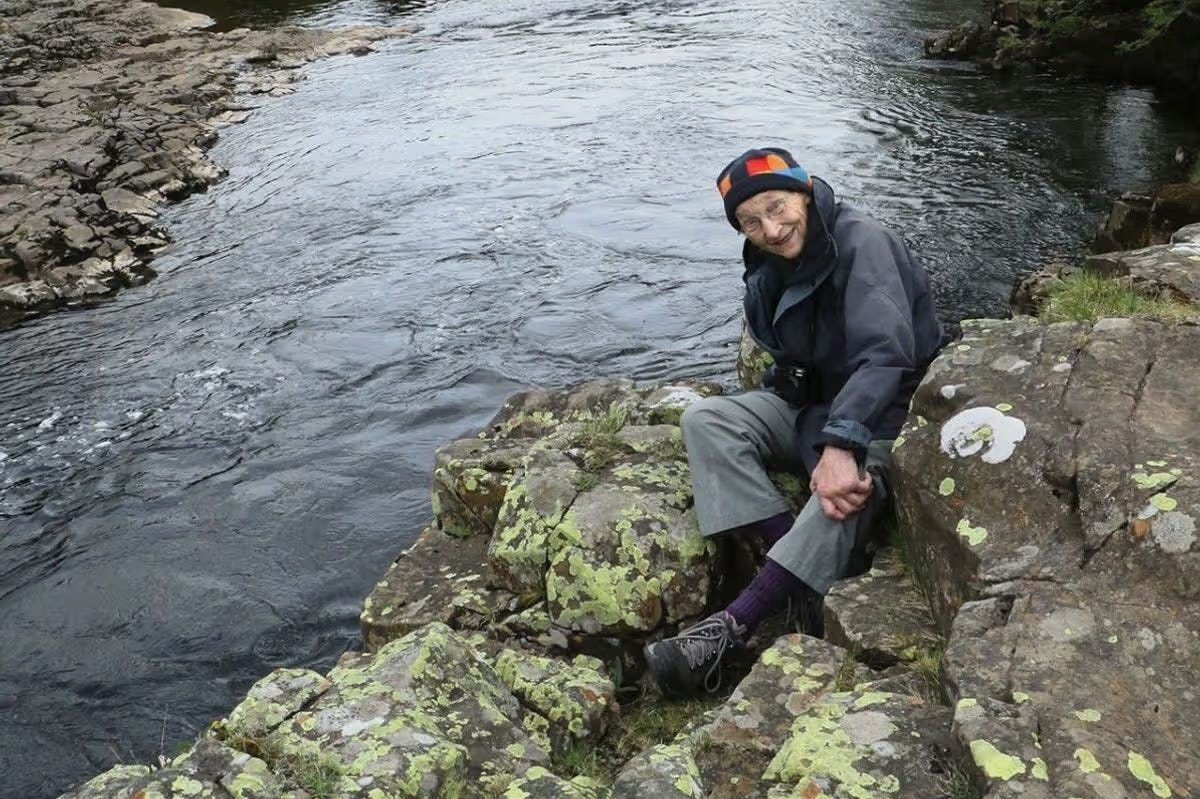
The move has been welcomed by 100-year-old botanist and Durham University graduate Dr Margaret Bradshaw, who has made it a lifelong mission to study and protect the plants.
Teesdale Special Flora Research and Conservation Trust has been awarded funding from the North Pennines National Landscape through Defra’s Farming in Protected Landscapes programme for the rare Arctic-alpine species recovery project.
Upper Teesdale is rated as one of the top five botanical hotspots in Britain and Ireland due to its unusually large number of rare plant species.
They comprise over 100 plant species of conservation interest, including the Teesdale Assemblage, a unique community of 20 rare and endangered Arctic-alpine plants.
The assemblage includes spring gentian, bird’s-eye primrose, spring sandwort, Teesdale violet, mountain everlasting, sea thrift, mountain avens, false sedge, Teesdale hoary rock-rose, alpine bartsia, alpine bistort and sea plantain.
The project will involve collecting seed from plants in locations where populations are large enough. These have been identified from the records of surveys undertaken by the Teesdale Special Flora Trust over a number of years.
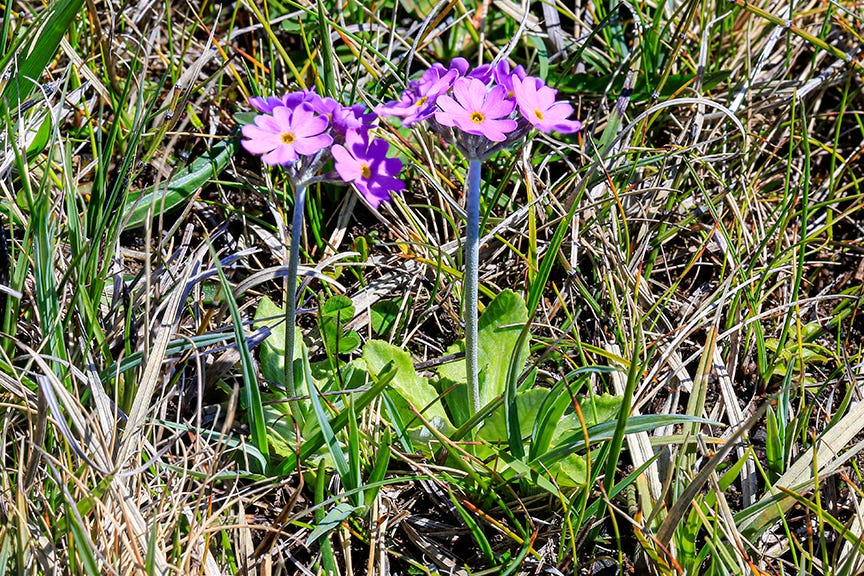
There will be further mapping of the rare species across the Upper Teesdale Assemblage, and plug plants will be planted out into management trial plots on the fell.
Volunteers will be provided with training in plant identification, seed collection and propagation, and sowing at the end of the season.
At 93, Margaret Bradshaw founded the Teesdale Special Flora Trust. At 95, she embarked on a 55-mile trek on horseback which raised almost £10,000 for the trust, and at 98, she walked 55 miles to raise more money for conservation.
She said: “The Trust was established to promote research into, and conservation of, the special flora of Upper Teesdale and to raise awareness of the fragility of the special flora and the importance of protecting it. This project is crucial to support the ongoing research and conservation of these rare species.”
Patsy Bigley, botanical assistant for the Trust, said: “Plants have always been my passion, and I’ve trained and worked in horticulture for years before moving into conservation. I’m really looking forward to getting to grips with Upper Teesdale and working with the Trust to help safeguard this rare flora for the future.”

The funding is conditional upon the Trust providing £15,000 in supporting funds over three years. Donations to support the work of the Trust in researching and conserving the special flora of Upper Teesdale can be made via its JustGiving page.
Sarah Tooze, programme manager for natural heritage at the North Pennines National Landscape, said: “The Upper Teesdale arctic-alpine assemblage is one of the country’s most important groupings of rare wild plants, including over 170 species of plants which are of conservation concern, such as bird’s eye primrose, spring gentian and yellow marsh saxifrage.
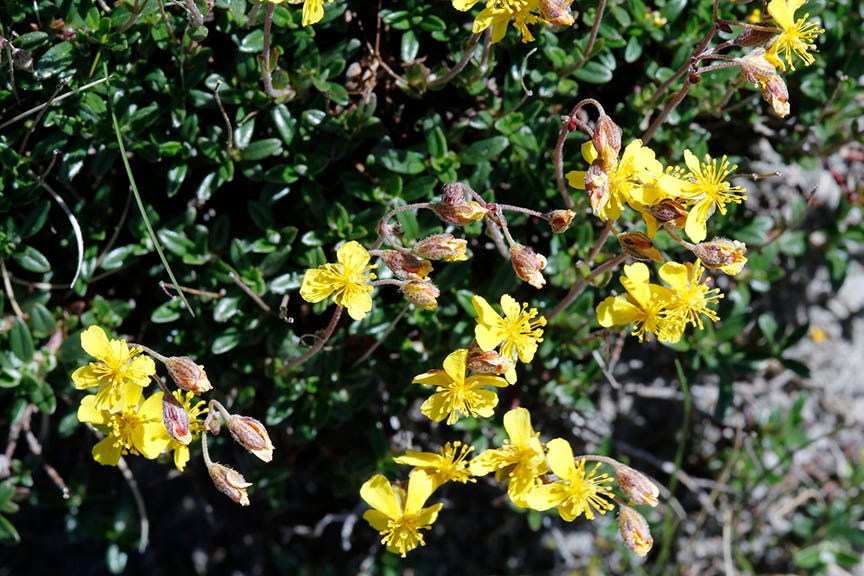
“These plants are identified as champion species of the North Pennines National Landscape in the forthcoming management plan and we have a responsibility to look after them.
“We are looking forward to working with local farmers on ways to support these fragile species. Staff from our team will also support by helping to train volunteers on seed collection.”
